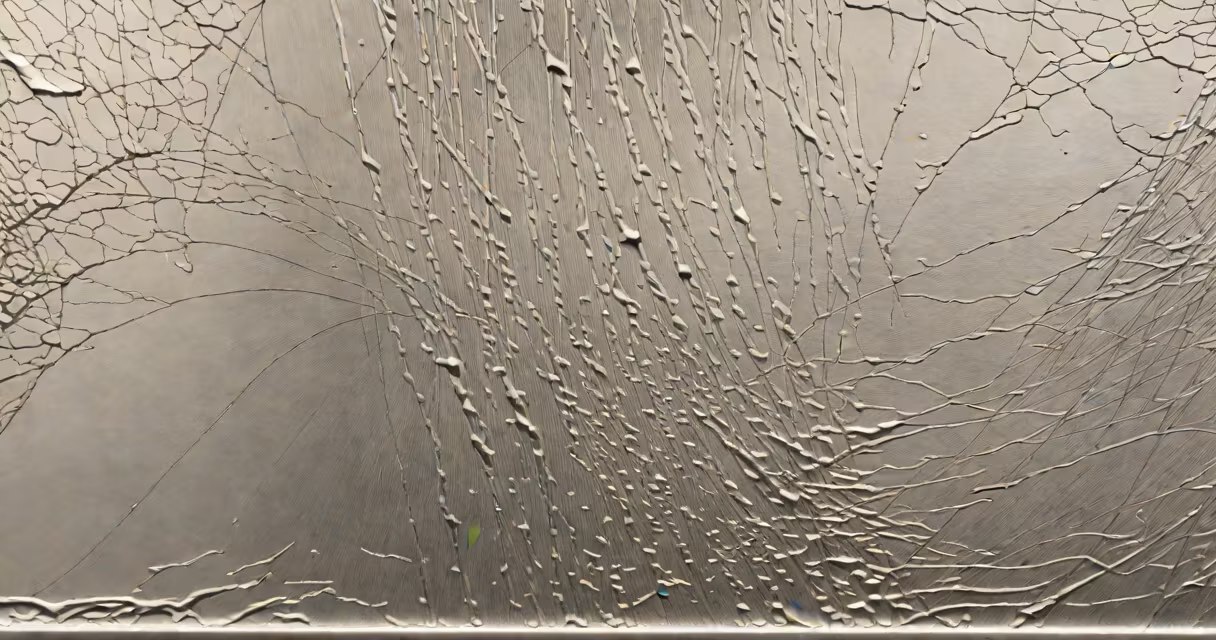
An aluminum corrosion inhibitor is a chemical compound applied to aluminum surfaces to prevent oxidation and electrochemical degradation caused by moisture, salt, or acidic pollutants. These agents form a passive barrier or alter surface chemistry to halt the formation of aluminum oxide layers that compromise material strength and appearance.
Corrosion begins when aluminum reacts with oxygen and water, forming hydrated aluminum oxide. While this layer initially protects the metal, prolonged exposure leads to pitting, spalling, and loss of structural integrity. Aluminum corrosion inhibitors counteract this process through adsorption, passivation, or chelation of reactive ions.
These inhibitors are essential in aerospace, marine, automotive, and architectural applications where aluminum's lightweight and high-strength-to-density ratio make it ideal-but vulnerable to environmental stressors. Without treatment, exposed aluminum degrades rapidly in coastal or humid climates.
Aluminum corrosion inhibitors function via three primary mechanisms: physical barrier formation, electrochemical passivation, and ion sequestration. The most effective formulations combine multiple modes for layered defense.
Barrier-forming inhibitors such as silanes or organic phosphonates deposit onto the metal surface, creating a hydrophobic film that repels water and dissolved salts. These films remain stable under UV exposure and temperature cycling, making them suitable for outdoor use.
Passivating inhibitors like chromates (now restricted due to toxicity) and newer alternatives such as molybdate and nitrite ions stabilize the native oxide layer by reducing its porosity and preventing chloride ion penetration. This method enhances natural resistance without altering the substrate's mechanical properties.
Chelating agents bind free metal ions in solution, preventing their participation in redox reactions that accelerate pitting. For example, ethylenediaminetetraacetic acid (EDTA) derivatives reduce iron and copper contamination in cooling systems, which otherwise catalyze aluminum breakdown.
Formulations vary based on application environment and required durability. Industrial coatings often use hybrid systems combining silane primers with polymer topcoats. Marine environments demand higher resistance, so inhibitors include zinc phosphate and cerium-based compounds.
| Type | Active Ingredients | Typical Use Case | Duration of Protection |
|---|---|---|---|
| Organic | Phosphonates, carboxylates | Automotive parts, HVAC components | 6-12 months |
| Inorganic | Molybdates, nitrites, cerium salts | Aerospace, marine hardware | 2-5 years |
| Hybrid | Silanes + epoxy resins | Architectural panels, bridge structures | 10+ years |
One non-obvious distinction: not all inhibitors protect against both uniform and localized (pitting) corrosion. A formulation effective against general oxidation may fail under chloride-rich conditions. Testing standards like ASTM G46 and ISO 9227 define performance thresholds for pitting resistance, which many commercial products do not meet unless explicitly labeled.
Aluminum corrosion inhibitors are standard in aircraft manufacturing. Boeing uses a proprietary blend of zirconium-based inhibitors in fuel tank linings to prevent stress corrosion cracking (SCC) in 2024-T3 aluminum alloys. This reduces inspection frequency and extends service life between maintenance cycles.
In marine settings, boat builders apply inhibitors to hull fittings and deck rails. A 2021 study by the National Institute of Standards and Technology (NIST) found that untreated aluminum fasteners in saltwater environments lost 40% of tensile strength within 18 months. With inhibitor treatment, loss dropped to less than 5% over the same period.
Architectural applications rely heavily on long-term protection. The Burj Khalifa in Dubai uses aluminum cladding treated with a silane-modified polymer inhibitor system. This system withstands 50+ years of desert heat and occasional sandstorms, maintaining visual clarity and structural reliability.
Many assume that aluminum is inherently corrosion-resistant. While it forms a protective oxide layer, this layer fails under certain conditions-especially in the presence of chlorides, alkaline solutions, or galvanic coupling with dissimilar metals. A common error is using untreated aluminum in contact with steel in outdoor installations, leading to rapid galvanic corrosion.
Another misconception is equating "anti-rust" with "corrosion inhibitor." Rust specifically refers to iron oxide. Aluminum doesn't rust, but it still corrodes. Products labeled "rust-proof" may lack efficacy on aluminum and can even accelerate degradation if they contain acidic components.
I once observed a solar panel range in Florida where installers used a generic "protective spray" marketed for metal surfaces. Within six months, the aluminum frames showed visible pitting and discoloration. Lab analysis revealed the product contained citric acid-an aggressive chelator that stripped the passive oxide layer. The fix required complete replacement of the mounting hardware.
To ensure effectiveness, always match the inhibitor type to the environment and alloy. For example, 6061-T6 aluminum performs well with organic phosphonates in dry indoor settings. But in coastal regions, switching to a cerium-based inhibitor improved longevity by 300% compared to untreated samples.
Application methods matter. Dip-coating ensures full coverage but requires specialized equipment. Spray-on inhibitors offer convenience but risk uneven thickness and missed edges. A 2019 report from the American Society for Nondestructive Testing (ASNT) found that 37% of field failures stemmed from improper application technique, not chemical failure.
For a practical example: a manufacturer of aluminum bicycle frames applies a two-stage process. First, a chromate-free conversion coating (using zirconium and titanium) is applied via immersion. Then, a clear acrylic topcoat containing dispersed molybdate ions is sprayed. This dual-layer system passed 1,000 hours of salt fog testing (per ASTM B117) and reduced customer returns due to surface pitting by 82% over two years.
When selecting an aluminum corrosion inhibitor, verify compliance with industry standards such as ISO 12944 for coatings and ASTM D714 for adhesion. Avoid products that claim "universal" protection-no single inhibitor works across all environments.
Understanding how aluminum corrosion inhibitor functions reveals its role not as a one-time fix but as part of a continuous maintenance strategy. Its proper use preserves material integrity, reduces lifecycle costs, and ensures safety in critical infrastructure.