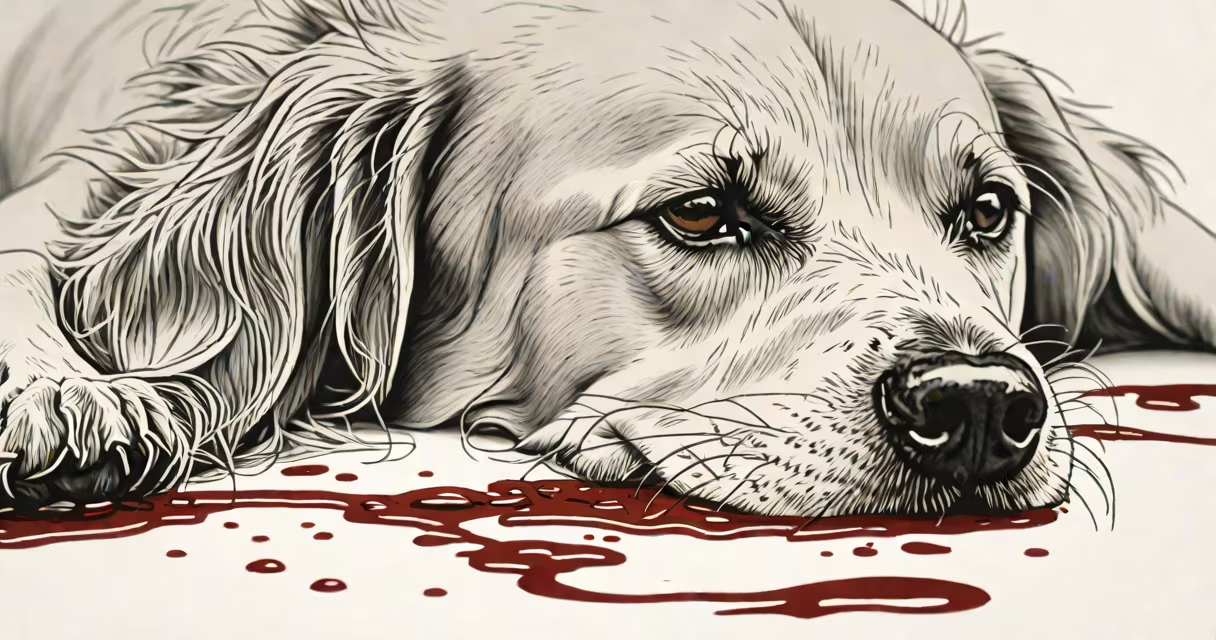
A dog has a little blood in stool when fresh red blood appears in or on the feces, often visible as streaks, specks, or smears. This indicates bleeding in the lower digestive tract, such as the colon or rectum, and requires prompt evaluation by a veterinarian.
Even a small amount of blood in a dog's stool is not normal. The presence of blood suggests inflammation, trauma, infection, or a systemic issue affecting the gastrointestinal lining. While occasional spotting may stem from mild causes like dietary indiscretion, persistent or recurring blood demands medical attention to rule out serious conditions.
Immediate action is necessary. Blood in stool is not a symptom to ignore. Delaying care risks worsening conditions like intestinal parasites, inflammatory bowel disease, or colorectal tumors. Early diagnosis improves outcomes.
Blood in a dog's stool typically originates from the lower gastrointestinal tract-specifically the colon, rectum, or anus. Fresh, bright red blood (hematochezia) appears as streaks on the surface of the stool or in the litter box. This contrasts with dark, tarry stools (melena), which suggest upper GI bleeding and are less common in cases of "a little blood."
The color and consistency of the blood offer clues. Bright red blood usually means the source is near the end of the digestive tract. It may appear as small spots, thin lines, or a pinkish tint. Darker blood mixed throughout the stool may indicate deeper tissue damage or slower bleeding.
For example, a 5-year-old mixed-breed dog named Max had a single episode of bright red specks in his stool after eating a chicken bone. The owner noticed it during cleanup. A vet visit confirmed minor rectal irritation from the bone fragment. After removal and a bland diet, symptoms resolved in 48 hours. This illustrates how even small amounts can signal physical trauma.
Several conditions can cause a dog to have a little blood in stool. The most frequent include:
One key distinction often missed: blood from the anus (external) versus blood from inside the colon (internal). External blood is usually bright red and appears on the surface. Internal blood mixes with stool and may look like marbled pink or red streaks. Distinguishing this helps narrow diagnostic options.
Any occurrence of blood in a dog's stool warrants a vet visit within 24-48 hours. The American Kennel Club (AKC) recommends immediate evaluation if blood is accompanied by:
For instance, a 7-year-old Labrador named Bella had two episodes of blood in her stool over three days. She was otherwise eating and acting normal. Her owner waited until the third day, then brought her in. Blood tests revealed elevated inflammatory markers, and a colonoscopy confirmed lymphocytic-plasmacytic colitis. Treatment with anti-inflammatory medication led to full resolution in six weeks.
Do not assume the issue will resolve on its own. Mild cases can progress rapidly. A dog with a single spot of blood may develop severe colitis within 48 hours. Early intervention prevents complications.
Veterinarians begin with a physical exam and history. They ask about diet changes, new medications, exposure to toxins, travel, and recent stressors. A fecal sample is analyzed for parasites and abnormal bacteria.
If initial tests are inconclusive, further steps may include:
Treatment depends on the underlying cause. Dietary management is often the first step. A vet may recommend a hypoallergenic or prescription diet for sensitive guts. Anti-diarrheal medications like metronidazole are used for bacterial overgrowth or colitis.
For parasitic infections, dewormers such as fenbendazole are prescribed. A single dose can clear whipworms in 90% of cases, per AVMA guidelines. Anal gland expression or surgical drainage may be needed for impacted glands.
One non-obvious fact: blood in stool can result from anticoagulant rodenticide poisoning. Dogs that ingest rat bait may show no external signs until internal bleeding becomes severe. A prothrombin time test can detect early coagulation failure. This is rarely considered unless the dog has access to outdoor areas.
Owners often mistake mucus, seeds, or food dyes for blood. Red-colored fruits like cranberries or beets can turn stool pink or red. These are harmless and pass through unchanged. However, if the color persists beyond 24 hours or is accompanied by other symptoms, consult a vet.
Another confusion: rectal discharge from anal sacs. This fluid is often yellow or brown and may resemble blood. It's not blood but can be mistaken for it, especially in low light. A vet can differentiate using a swab test.
Some owners assume blood in stool is always due to worms. While parasites are a known cause, they're not the most common. A study published in the Journal of Veterinary Internal Medicine found that only 12% of dogs with hematochezia had parasitic infections upon testing.
Preventive measures include feeding consistent, high-quality diets and avoiding table scraps. Regular parasite screening-at least twice yearly-is recommended, especially for dogs that roam outdoors.
Monitor your dog's stool daily. Note changes in color, texture, and frequency. Keep a log. If blood appears, stop giving treats or supplements until evaluated. Avoid home remedies like pumpkin or probiotics without vet guidance-they can mask symptoms.
After treatment, follow-up visits ensure recovery. A dog with IBD may need monthly check-ups for the first year. Recheck fecal exams confirm parasite clearance.
Understanding that "a little blood" is never trivial helps protect your dog. Even a single red speck signals a potential problem. Prompt action leads to faster diagnosis and better outcomes.