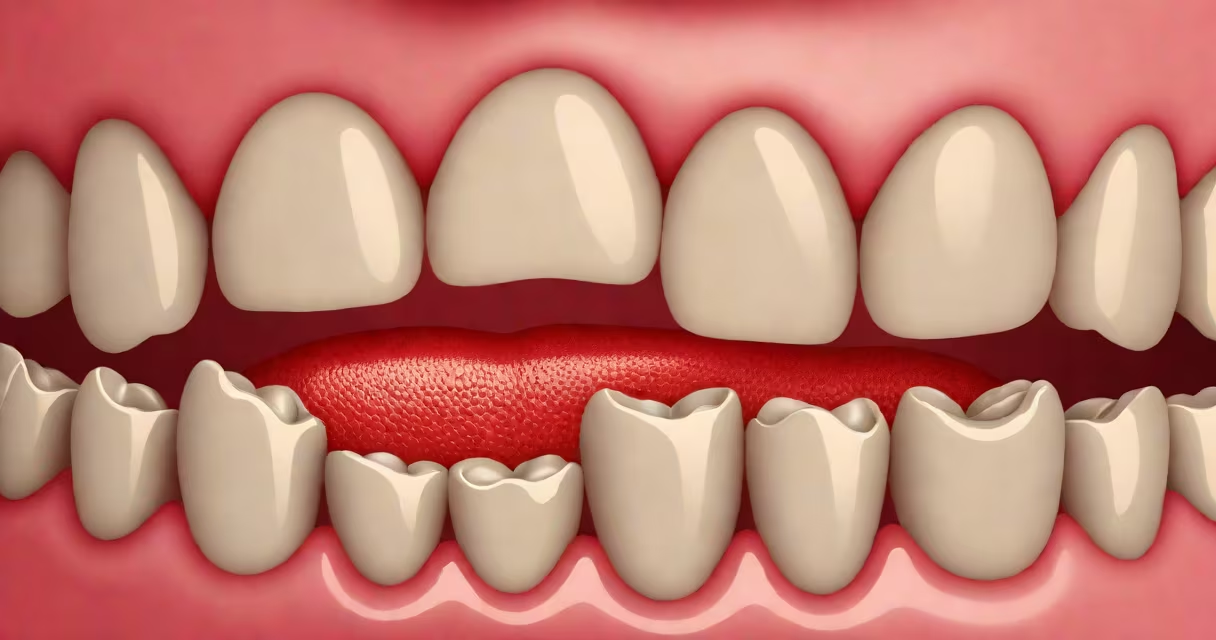
Swelling behind the last tooth-typically the lower wisdom tooth-is usually caused by infection, impaction, or irritation from food debris trapped under the gum flap. This condition often develops when the tooth doesn't fully erupt, creating a pocket where bacteria accumulate.
The area behind the last molar is prone to inflammation because it's hard to clean thoroughly. The soft tissue covering partially erupted teeth becomes irritated and inflamed, leading to pain, tenderness, and visible swelling. Left untreated, this can progress to an abscess or spread infection to surrounding bone and tissues.
According to the American Dental Association (ADA), pericoronitis-a condition involving inflammation around a partially erupted tooth-is most common in young adults aged 18 to 25, when wisdom teeth typically emerge. About 85% of people have at least one impacted wisdom tooth, though not all cause symptoms.
When a wisdom tooth only partially emerges, a flap of gum tissue forms over it. This flap traps food particles and bacteria, which multiply and irritate the underlying tissue. The immune system responds by sending white blood cells to fight the infection, causing fluid buildup and swelling.
Pain often worsens during chewing or when pressure is applied to the area. Some people report a bad taste or odor due to pus drainage. Swelling may spread to the jaw, neck, or even cause difficulty opening the mouth-known as trismus.
A 2021 study published in the Journal of Oral and Maxillofacial Surgery found that 68% of patients with symptomatic impacted wisdom teeth reported facial swelling and localized pain. The study emphasized early intervention to prevent complications like osteomyelitis or sepsis.
Swelling behind the last tooth falls into two categories: acute and chronic. Acute cases involve sudden onset, severe pain, and visible redness. Chronic cases show mild, recurring swelling with less intense symptoms.
| Type | Onset | Common Causes | Typical Symptoms |
|---|---|---|---|
| Acute pericoronitis | Sudden (hours to days) | Bacterial infection under gum flap, trauma from chewing | Severe pain, fever, pus discharge, difficulty swallowing |
| Chronic irritation | Gradual (weeks to months) | Recurrent food trapping, poor oral hygiene | Mild discomfort, intermittent swelling, bad breath |
Food debris is a major trigger. A single piece of lettuce or popcorn kernel lodged under the gum flap can initiate inflammation. Even minor trauma from brushing too hard can cause micro-tears in the tissue, allowing bacteria entry.
Swelling behind the last tooth is frequently mistaken for a cavity or toothache. However, cavities affect the tooth structure, while gum swelling results from tissue inflammation. Pain from a decayed tooth tends to be sharp and constant, whereas gum swelling pain is dull, throbbing, and worsens with pressure.
Another common confusion is mistaking it for a salivary gland issue. Parotid gland swelling near the ear can mimic dental pain, but it's located higher in the jaw and often accompanied by dry mouth. Gum swelling behind the last tooth is always lower and centered on the gumline.
One non-obvious distinction: swelling from a dental abscess may extend beyond the gum and appear as a bump on the cheek. This is not typical of simple gingivitis. The presence of a visible pimple-like lesion draining pus indicates a deeper infection requiring antibiotics and drainage.
In 2022, a 23-year-old patient presented with a swollen, painful gum behind the lower left wisdom tooth. He reported waking up with a swollen face and difficulty opening his mouth. Clinical exam revealed a 1.5 cm fluctuant swelling under the gum flap, with pus oozing upon gentle pressure. X-ray showed the tooth was angled toward the adjacent molar.
Dental evaluation confirmed acute pericoronitis. The patient received a course of amoxicillin (500 mg every 8 hours for 7 days), warm saltwater rinses, and a referral for surgical removal of the impacted tooth. Within 48 hours, swelling reduced by 60%. After extraction, full resolution occurred in 10 days.
Swelling behind the last tooth should not be ignored. Persistent swelling lasting more than 3 days, fever above 100.4°F (38°C), or inability to open the mouth fully requires immediate attention. Delaying treatment increases risk of spreading infection to the jawbone or bloodstream.
For mild cases, home care includes warm saltwater rinses (1/2 tsp salt in 8 oz water, swish 3 times daily), over-the-counter ibuprofen (600 mg every 6 hours as needed), and avoiding chewy or hard foods. But these are temporary fixes.
I've treated several patients who delayed care until the swelling reached their neck. One developed Ludwig's angina-a life-threatening infection spreading through the floor of the mouth. That case required hospitalization, IV antibiotics, and emergency surgery. Early intervention prevents such outcomes.
See a dentist if swelling persists past 48 hours despite home care. A dental professional can assess whether the tooth is impacted, infected, or contributing to other issues like crowding or decay in adjacent teeth.