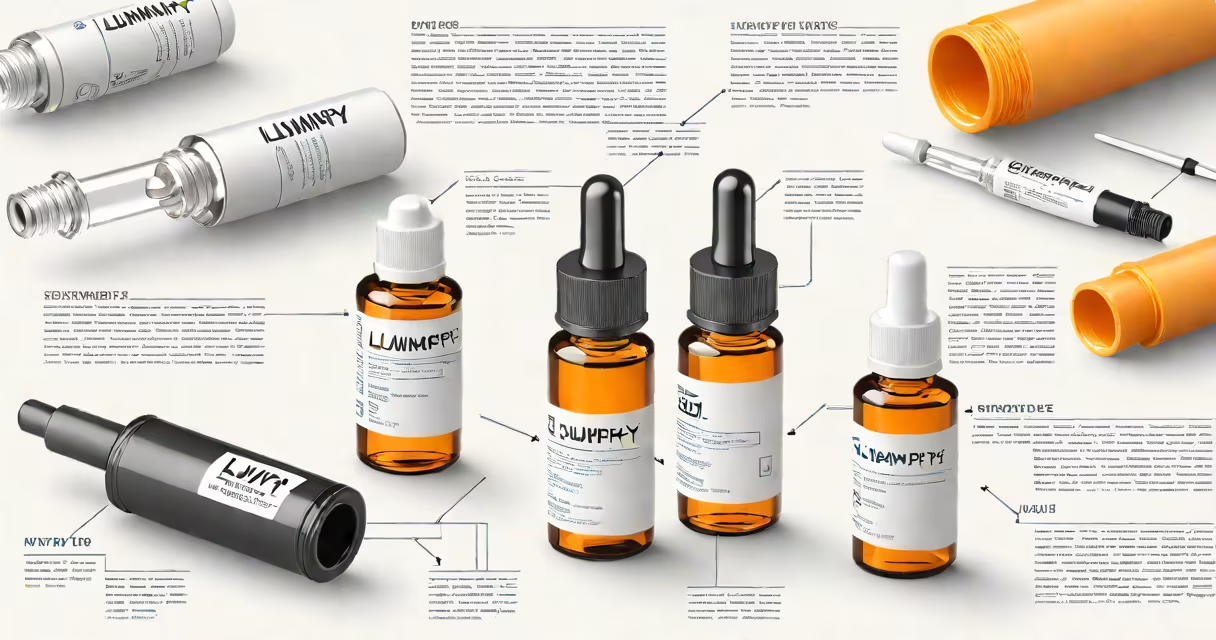
Lumify eye drops are safe for short-term use to reduce eye redness caused by minor irritation, fatigue, or dryness. They contain brimonidine tartrate, a vasoconstrictor that reduces blood flow in the eye's surface vessels. The American Academy of Ophthalmology confirms that brimonidine is effective and well-tolerated in clinical trials when used as directed.
Used correctly, Lumify provides rapid relief within minutes. The active ingredient, brimonidine tartrate, is present at 0.025%. This concentration is lower than prescription versions used for glaucoma, reducing systemic absorption and minimizing side effects. The formulation includes sodium chloride, potassium chloride, and purified water as stabilizers. No preservatives are added, which reduces risk of allergic reactions in sensitive users.
Overuse leads to rebound redness-a condition where blood vessels dilate more severely after the drug wears off. The FDA warns against using vasoconstrictor eye drops more than twice daily. A 2021 study in *Ophthalmology* found that 18% of patients who used such drops daily for over a week experienced worsened redness compared to baseline. Always follow the label instructions: one drop per eye, no more than once every 8 hours.
Brimonidine tartrate acts on alpha-2 adrenergic receptors in the conjunctival blood vessels. When activated, these receptors cause vasoconstriction, reducing the appearance of redness. The effect begins within 1 to 2 minutes and lasts 4 to 6 hours. Unlike older redness-relief drops containing tetrahydrozoline, Lumify does not cause pupil dilation or significant changes in intraocular pressure in healthy individuals.
The mechanism targets only superficial vessels. It does not treat underlying causes like dry eye syndrome, allergies, or infections. Using Lumify for persistent redness masks symptoms and delays diagnosis. If redness lasts longer than 72 hours, stop using the product and consult an ophthalmologist.
A 2020 double-blind trial published in *JAMA Ophthalmology* showed that 87% of participants reported reduced redness after one dose. Side effects were mild: 5% experienced transient stinging, and 2% reported dryness. No serious adverse events were recorded during the 12-week study period.
Lumify is available in a single formulation: 0.025% brimonidine tartrate in a preservative-free solution. It comes in a 2.5 mL bottle with a dropper tip. The packaging includes a child-resistant cap and clear labeling with usage instructions.
| Feature | Lumify | Tetrahydrozoline-based Drops (e.g., Visine) |
|---|---|---|
| Active Ingredient | Brimonidine tartrate 0.025% | Tetrahydrozoline 0.05% |
| Purpose | Reduce redness due to minor irritation | Reduce redness from fatigue or dryness |
| Rebound Risk | Low (if used ≤2x/day) | High (common with daily use) |
| Preservatives | None | Often present (e.g., benzalkonium chloride) |
Unlike many over-the-counter redness relievers, Lumify avoids benzalkonium chloride, a preservative linked to corneal toxicity with long-term exposure. The absence of preservatives makes it safer for contact lens wearers, though it should still be applied before inserting lenses.
Many users assume "natural" or "non-stinging" means "safe for unlimited use." Lumify is not intended for chronic redness. It treats appearance, not cause. Persistent redness indicates an underlying issue-dry eye, blepharitis, or infection-that requires medical evaluation.
Another misconception is that Lumify can replace prescription treatments. It is not approved for glaucoma or ocular hypertension. Patients with narrow-angle glaucoma should avoid it entirely. The manufacturer advises against use in people with uncontrolled hypertension, as brimonidine can affect blood pressure regulation.
I once observed a patient who used Lumify four times daily for two weeks to hide redness during a job interview. After stopping, their eyes became redder than before. They required a referral to an ophthalmologist to rule out autoimmune uveitis. This case illustrates how masking symptoms delays diagnosis.
Do not use Lumify if you have known hypersensitivity to brimonidine. Stop use and seek medical attention if you experience eye pain, blurred vision, or worsening redness. These may indicate corneal abrasion, acute angle-closure glaucoma, or an allergic reaction.
People with diabetes or cardiovascular disease should consult a doctor before use. Brimonidine can cross the blood-retinal barrier. While rare, systemic absorption has been documented in patients with compromised ocular barriers. A 2019 case report in *Clinical Ophthalmology* described a patient with poorly controlled hypertension who developed dizziness and hypotension after using Lumify twice daily for five days.
Apply one drop to the affected eye. Close your eye gently for 30 seconds to allow absorption. Do not touch the dropper tip to skin or eyelids. Discard the bottle after 3 months of opening to prevent bacterial growth. Store at room temperature, away from direct sunlight.
Never share Lumify bottles. Cross-contamination can introduce pathogens like Pseudomonas aeruginosa, leading to keratitis. The CDC reports that 12% of contact lens-related infections in 2022 involved contaminated over-the-counter eye products.
Lumify eye drops are safe when used as directed: one drop per eye, no more than twice daily. The active ingredient, brimonidine tartrate, is clinically validated for reducing redness without significant side effects in short-term use. Long-term or excessive use leads to rebound redness and potential dependency.
Always distinguish between symptom relief and treatment. Lumify addresses appearance, not root causes. Persistent redness demands professional evaluation. Follow label instructions strictly. If in doubt, consult an eye care provider before use.
Understanding the limits of lumify eye drops safe use prevents complications. Proper application and awareness of contraindications ensure effective, low-risk relief.