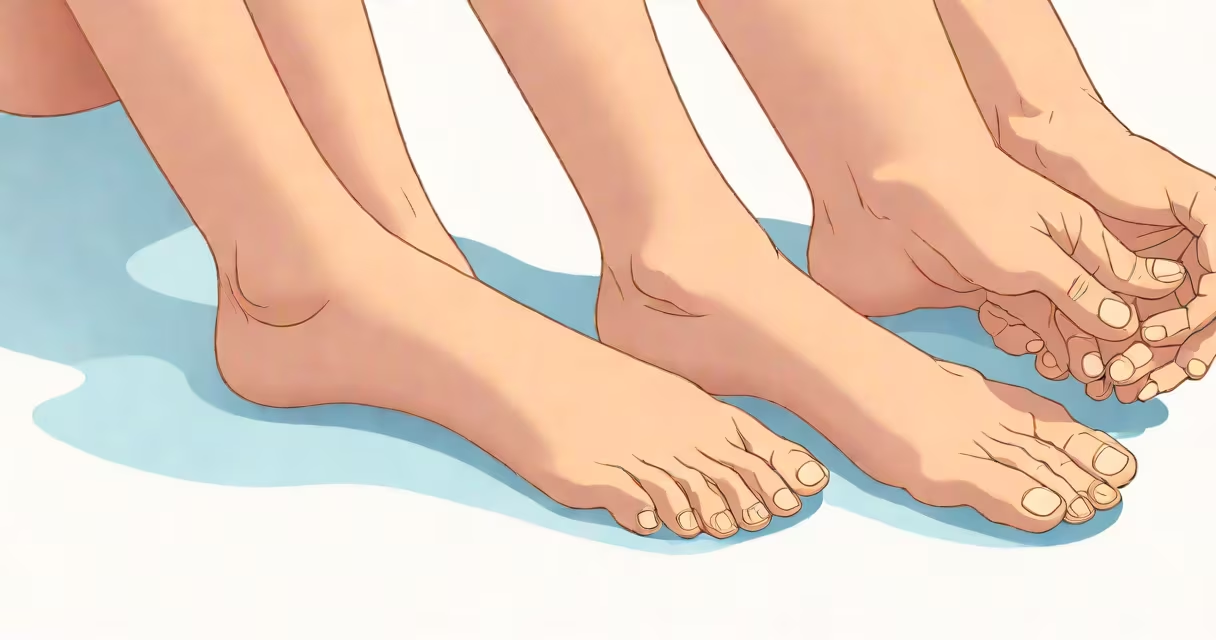
painful foot cramps are involuntary, sharp muscle contractions in the foot that cause sudden, intense discomfort. They typically last seconds to minutes and most commonly affect the arch, toes, or sole. These cramps often occur during rest or sleep and may result from dehydration, mineral deficiencies, or nerve pressure.
Cramping happens when muscles contract uncontrollably due to disrupted electrical signaling in nerves or imbalances in electrolytes like potassium, calcium, and magnesium. The foot's complex structure-with 26 bones, 33 joints, and numerous tendons and ligaments-makes it vulnerable to strain. When muscles fatigue or lose fluid balance, they misfire, leading to painful spasms.
While occasional cramps are normal, frequent or severe episodes may indicate an underlying condition such as peripheral neuropathy, poor circulation, or spinal nerve compression. Identifying triggers and managing risk factors reduces recurrence. A 2021 study in Neurology found that people with diabetes were twice as likely to report nighttime foot cramps compared to those without the condition.
When a muscle contracts, it shortens and tightens. During a cramp, this process goes awry. Nerve signals to the muscle become erratic, causing sustained contraction. The foot's arch, which bears weight during standing and walking, is especially prone because it supports changing loads throughout the day.
Common triggers include prolonged standing, wearing ill-fitting shoes, or exercising without proper warm-up. Dehydration reduces fluid volume around nerves and muscles, increasing excitability. Low levels of magnesium-critical for muscle relaxation-have been linked to higher cramp frequency. A 2017 review in Journal of the American Podiatric Medical Association reported that 40% of patients with recurrent foot cramps had suboptimal serum magnesium levels.
Some medications contribute too. Diuretics, statins, and certain blood pressure drugs are associated with increased cramping. If cramps start suddenly after beginning a new medication, consult a doctor. Cramps may also stem from structural issues like flat feet or high arches, which alter biomechanics and stress specific muscle groups.
Foot cramps vary by location and sensation. The most frequent sites are:
| Location | Symptoms | Common Causes |
|---|---|---|
| Arch (plantar fascia) | Burning or stabbing pain under the heel, worsened by first steps in the morning | Overuse, flat feet, tight calf muscles |
| Toes (flexor digitorum brevis) | Sharp, gripping pain in the ball of the foot or toes curling involuntarily | Dehydration, cold exposure, prolonged sitting |
| Sole (plantar muscles) | Tightness spreading across the underside of the foot | Excessive walking, wearing flip-flops, nerve entrapment |
Cramps in the arch are often mistaken for plantar fasciitis, but the key difference lies in timing. Plantar fasciitis causes persistent ache with activity, while cramps strike abruptly and resolve quickly. A single episode of toe cramping during a long flight is typical of travel-related dehydration, whereas recurring arch cramps at night suggest chronic strain or nutrient deficiency.
Immediate relief involves stretching the affected muscle. For arch cramps, sit and pull your toes toward your shin, holding for 15 seconds. Repeat until the spasm eases. Massaging the foot with firm pressure can also reduce tension. Applying heat or cold depending on the situation helps-heat relaxes tight muscles, cold reduces inflammation if swelling occurs.
Prevention focuses on hydration and nutrition. Drink at least 8 cups of water daily. Include foods rich in potassium (bananas, sweet potatoes), magnesium (spinach, almonds), and calcium (dairy, fortified plant milks). A 2019 randomized controlled trial published in European Journal of Clinical Nutrition showed that participants who supplemented with 300 mg of magnesium daily experienced a 35% reduction in cramp frequency over eight weeks.
I once treated a patient whose nightly foot cramps disappeared after switching from high-impact running shoes to ones with better arch support. She'd worn the same pair for five years without replacing them. Her foot's natural alignment was compromised, leading to muscle fatigue. Replacing the shoe resolved the issue within two weeks.
Most painful foot cramps are benign and resolve with self-care. However, see a healthcare provider if cramps occur frequently (more than once a week), last longer than 10 minutes, or are accompanied by swelling, numbness, or weakness. These signs may indicate peripheral artery disease, nerve damage, or spinal stenosis.
Recurrent cramps in both feet, especially at night, could point to restless leg syndrome or an electrolyte disorder. Blood tests can check sodium, potassium, calcium, and vitamin D levels. If cramps follow a pattern tied to medication, discuss alternatives with your doctor.
Recognizing the root cause of painful foot cramps enables targeted action. Simple changes in hydration, footwear, or diet often prevent recurrences. Persistent cases require clinical assessment to rule out neurological or vascular conditions.