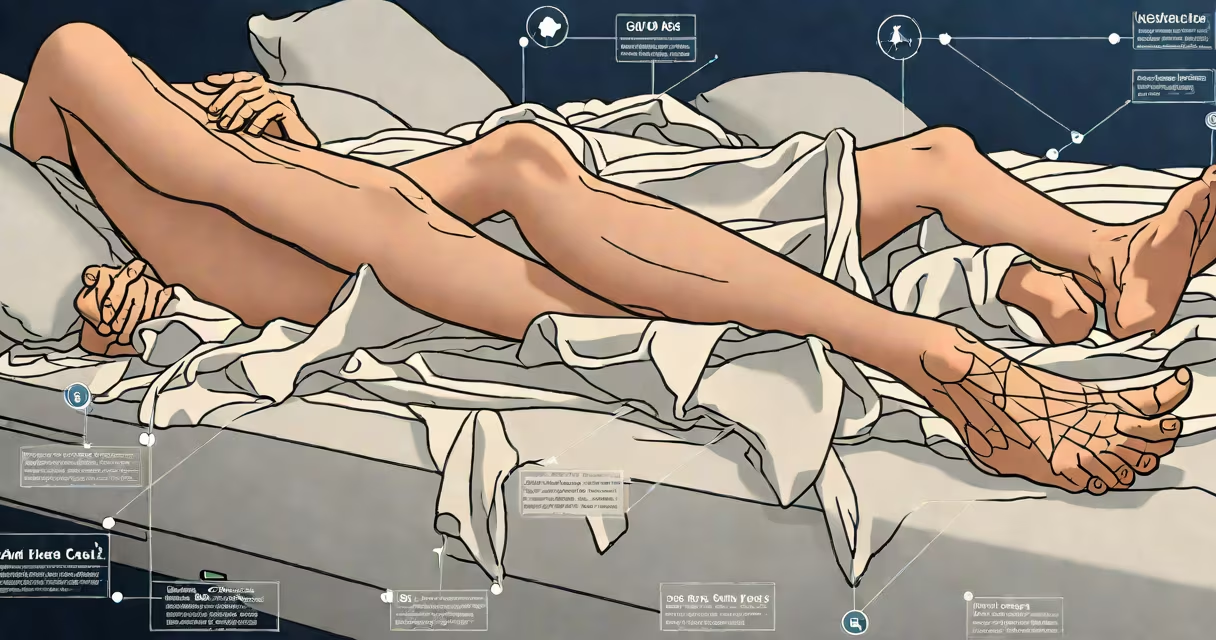
Nocturnal leg pain arises from muscle cramps, nerve compression, poor circulation, or underlying medical conditions such as restless legs syndrome or peripheral neuropathy. It often interrupts sleep and can affect people of all ages.
Leg pain at night typically results from sudden involuntary muscle contractions known as cramps. These occur most frequently in the calf muscles and last between 10 seconds and several minutes. They're often triggered by dehydration, electrolyte imbalances, prolonged sitting or standing, or muscle fatigue. A 2020 study in Neurology found that 60% of adults over 50 report experiencing leg cramps at least once a month, with higher frequency during sleep hours.
Restless legs syndrome (RLS) is another frequent cause. It involves an irresistible urge to move the legs, often accompanied by uncomfortable sensations like tingling or crawling. Symptoms worsen during rest and at night, disrupting sleep onset and maintenance. The National Institute of Neurological Disorders and Stroke (NINDS) reports that RLS affects about 7% of the U.S. population, with symptoms typically beginning between ages 20 and 40.
Peripheral neuropathy - damage to nerves outside the brain and spinal cord - can also cause nighttime leg pain. This condition often stems from diabetes, vitamin B12 deficiency, or autoimmune disorders. Pain may feel sharp, burning, or numb. According to the Mayo Clinic, nearly half of people with diabetes develop some form of neuropathy, with nighttime symptoms being common.
| Common Cause | Typical Symptoms | When to Consult a Doctor |
|---|---|---|
| Leg cramps | Sudden, intense muscle tightness; lasts seconds to minutes | Frequent episodes, especially if linked to medication or dehydration |
| Restless legs syndrome | Uncomfortable leg sensations; urge to move legs while resting | Disrupts sleep more than twice weekly |
| Peripheral neuropathy | Burning, tingling, numbness; worsens at night | Persistent symptoms, especially with diabetes or history of injury |
Some people mistake nocturnal leg pain for simple muscle fatigue. But persistent or worsening pain, especially with weakness, swelling, or skin changes, signals a need for evaluation. For example, a 62-year-old man reported nightly calf pain lasting over six weeks. He had no recent exercise but was taking a statin. After testing, he was diagnosed with drug-induced myopathy - a rare side effect of cholesterol-lowering drugs. His symptoms resolved after switching medications under medical supervision.
Another key distinction: leg pain at night due to vascular issues differs from cramps. Claudication - pain caused by reduced blood flow - typically occurs during walking and eases with rest. But in advanced peripheral artery disease (PAD), pain can persist at rest, especially when lying down. The American Heart Association notes that PAD affects about 8.5 million Americans, with many unaware of their condition until complications arise.
One overlooked factor is medication side effects. Antipsychotics, antihypertensives, and certain diuretics have been linked to increased leg cramp frequency. A 2019 review in Pharmacotherapy identified 14 drugs associated with nocturnal leg cramps, including simvastatin and furosemide. Patients should discuss potential side effects with their provider, especially if pain begins after starting a new prescription.
I once observed a patient who described "electric shocks" shooting down her legs at night. She'd dismissed it as stress-related until she developed foot drop. A neurologist diagnosed her with multiple sclerosis, confirmed via MRI. Her nighttime leg pain was an early symptom. This case illustrates that not all leg pain at night is muscular - neurological causes must be ruled out.
Understanding the reason for leg pain at night begins with tracking frequency, duration, and triggers. Keeping a symptom journal improves diagnostic accuracy. Early intervention prevents progression and reduces risk of falls or chronic discomfort. Not all leg pain at night is the same - identifying the root cause leads to effective relief.