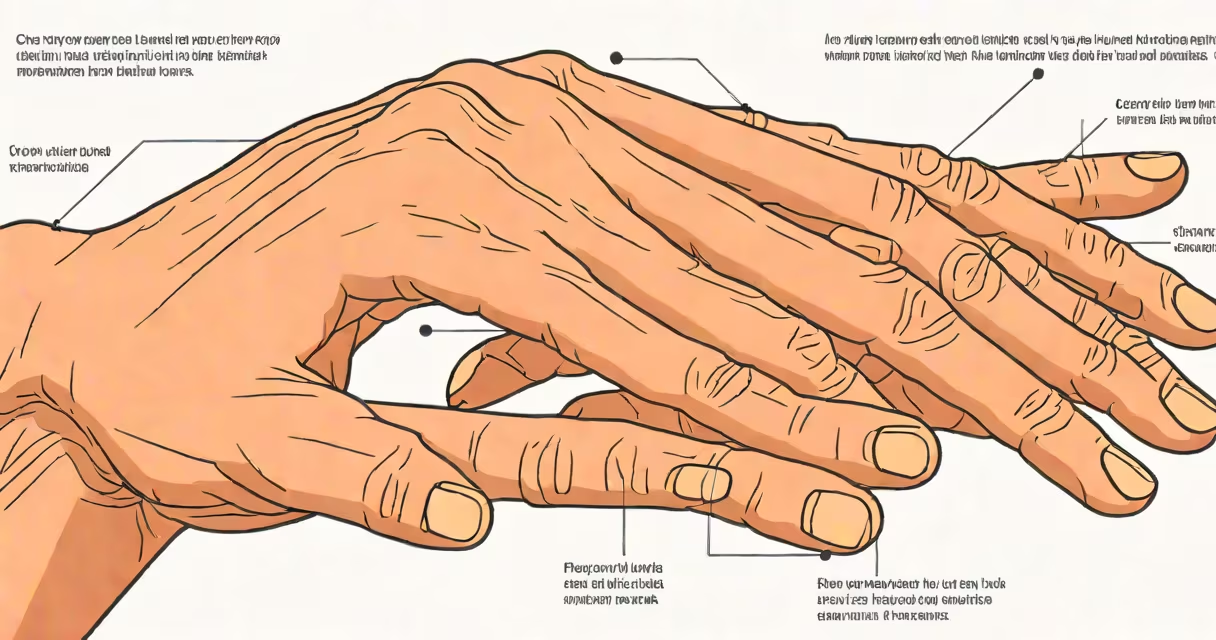
Rheumatoid arthritis symptoms list includes symmetric joint pain and swelling, morning stiffness lasting over 30 minutes, fatigue, low-grade fever, and systemic inflammation affecting organs beyond the joints. These signs result from the immune system attacking synovial tissue, leading to progressive joint damage if untreated.
Rheumatoid arthritis (RA) is an autoimmune disorder where the body's immune system mistakenly targets the lining of joints. This attack triggers chronic inflammation, causing pain, swelling, and eventually joint deformity. Unlike osteoarthritis, which results from wear and tear, RA develops due to immune dysregulation. The condition affects about 1.3 million adults in the U.S., according to the American College of Rheumatology. Symptoms often appear gradually over weeks to months, making early detection difficult without clinical evaluation.
Early RA symptoms typically begin in small joints-fingers, wrists, toes-and spread symmetrically. For example, if the left wrist swells, the right wrist usually does too. This symmetry helps differentiate RA from other forms of arthritis. Joint involvement is persistent, worsening with inactivity and improving slightly with movement. Pain is often described as aching or throbbing, not sharp or sudden.
The most common rheumatoid arthritis symptoms list entries include joint pain, swelling, stiffness, and reduced mobility. These occur primarily in the hands, wrists, feet, ankles, knees, and elbows. Swelling appears as puffiness around the joint, sometimes with warmth and redness. Stiffness is most severe in the morning or after prolonged rest, lasting longer than 30 minutes. Patients may struggle to make a fist or button clothes.
Fatigue is reported by 70% of people with RA, according to the Arthritis Foundation. It's not typical tiredness-it's a deep, persistent exhaustion that doesn't improve with sleep. Some describe it as "brain fog" or mental sluggishness. Low-grade fevers (under 100.4°F) may occur during flare-ups, especially in active disease phases.
Systemic symptoms affect organs beyond joints. Dry eyes and mouth (Sjögren's syndrome) occur in 30-40% of RA patients. Lung involvement can cause shortness of breath or dry cough. Heart issues such as pericarditis or increased risk of atherosclerosis are linked to chronic inflammation. Nerve compression (carpal tunnel syndrome) is common due to swelling in the wrist.
RA symptoms fall into categories based on location and severity. The table below outlines key symptom types, their frequency, and associated clinical features.
| Symptom Type | Frequency in RA Patients | Common Locations | Distinctive Features |
|---|---|---|---|
| Joint pain and swelling | 95% | Hands, wrists, feet, ankles | Symmetric; worsens with inactivity |
| Morning stiffness | 80% | Multiple joints | Lasts >30 min; improves with activity |
| Fatigue | 70% | Generalized | Unrelieved by rest; impacts daily function |
| Low-grade fever | 25% | Systemic | Often during flares; <100.4°F |
| Raynaud's phenomenon | 15-20% | Fingers, toes | Color changes: white → blue → red in cold |
One non-obvious distinction: RA-related fatigue is not simply due to pain or poor sleep. It stems from cytokine release-proteins like TNF-alpha and IL-6 that cross the blood-brain barrier and alter mood and energy regulation. This explains why fatigue persists even when joint pain is controlled with medication.
Many confuse rheumatoid arthritis symptoms list with osteoarthritis. OA pain worsens with use and improves with rest. RA pain increases with inactivity and eases slightly with movement. OA typically affects weight-bearing joints-hips, knees, spine-while RA targets small joints first. OA shows joint space narrowing on X-ray; RA shows erosions and soft tissue swelling.
Some mistake RA flares for infection. Fever, fatigue, and malaise resemble viral illness. But RA flares lack respiratory symptoms, sore throat, or runny nose. Blood tests show elevated inflammatory markers-ESR and CRP-without evidence of infection. A patient I observed had a 100.2°F fever and joint swelling for five days. Initial concern was sepsis, but negative cultures and high CRP confirmed active RA.
Another confusion: RA only affects joints. In reality, it's a systemic disease. Vasculitis-blood vessel inflammation-can cause skin nodules, ulcers, or nerve damage. Up to 10% of patients develop rheumatoid vasculitis, which requires aggressive immunosuppression. Symptoms include numbness, burning pain, or slow-healing wounds on fingers or toes.
Recognizing the rheumatoid arthritis symptoms list early improves long-term outcomes. See a rheumatologist if you have:
Diagnosis relies on clinical evaluation, blood tests (RF, anti-CCP), and imaging. Anti-CCP antibodies are positive in 60-70% of RA cases and predict joint damage progression. MRI and ultrasound detect early synovitis before X-rays show changes.
Early treatment with disease-modifying antirheumatic drugs (DMARDs) slows joint destruction. Methotrexate is first-line therapy. Biologics like etanercept or tocilizumab target specific immune pathways. Starting treatment within six months of symptom onset reduces disability by 50%, per a 2022 study in Annals of the Rheumatic Diseases.