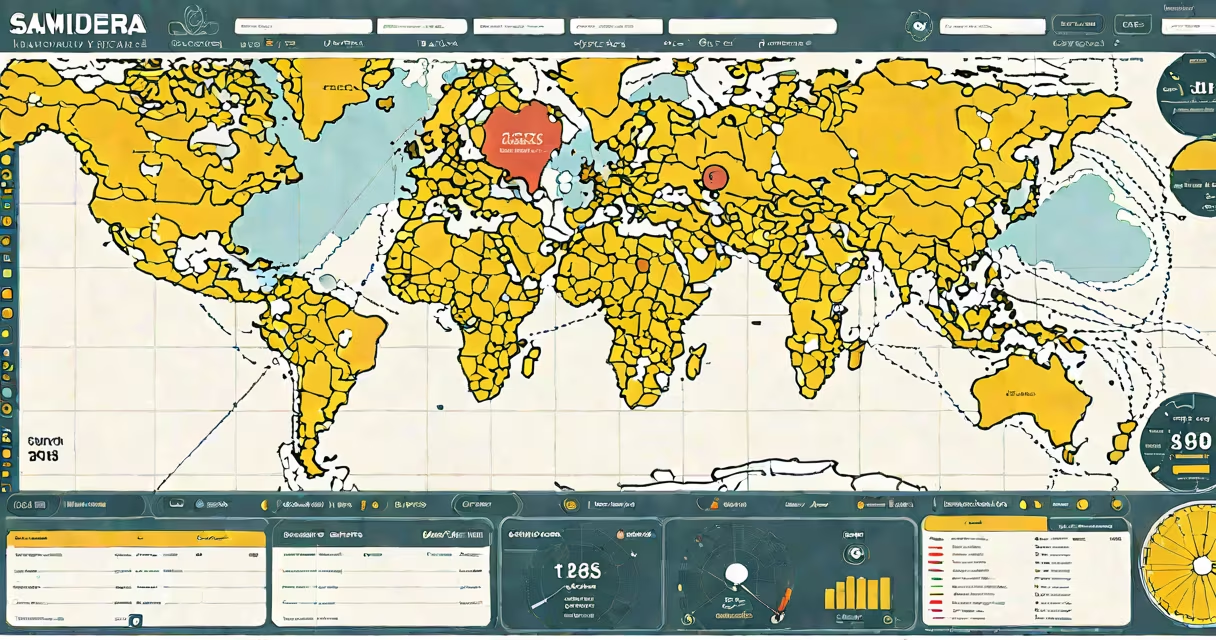
samudera shipping tracking is a real-time system that monitors the movement of cargo containers across global ports and transportation networks using unique container numbers and booking references. It provides live updates on location, transit time, customs clearance status, and estimated arrival times for shipments handled by Samudera International Logistics.
The system integrates data from maritime carriers, port terminals, customs authorities, and ground transport providers. Users receive notifications via email or SMS when key milestones occur-such as vessel departure, port arrival, customs inspection, and final delivery. This enables shippers, freight forwarders, and importers to plan operations with precision.
Samudera International Logistics operates primarily in Southeast Asia, with major hubs in Jakarta, Surabaya, and Singapore. Its tracking platform supports both sea freight and intermodal land transport, covering routes from China and India to ASEAN countries and beyond. The service is accessible through web portals and mobile apps, with support for multiple languages including Bahasa Indonesia and English.
When a container is loaded onto a vessel, Samudera assigns a unique 11-character container number (e.g., MSCU1234567) and a booking reference. These identifiers are entered into the tracking system and linked to the shipper's account. As the container moves through each stage of transit, GPS sensors, RFID tags, and manual updates from port operators feed real-time data into the system.
For example, if a container leaves Shanghai on the MV Ocean Star (IMO 9456789), the system logs the departure time and vessel name. When the vessel reaches Tanjung Perak Port in Surabaya, automated gate systems detect the container's arrival. Customs officials then scan the container and input clearance status. The tracking interface reflects this change within 15 minutes, updating the status to "Arrived - Awaiting Customs Clearance."
Users can set alerts for delays exceeding 48 hours or for changes in destination. The system also flags discrepancies-such as mismatched container weights or incorrect documentation-allowing early intervention. Data is stored for up to 18 months, enabling audits and compliance checks under Indonesian customs regulations (Peraturan Direktur Jenderal Bea dan Cukai No. 12/PMK.04/2022).
Samudera offers three levels of tracking based on data granularity and update frequency:
| Level | Update Frequency | Data Sources | Use Case |
|---|---|---|---|
| Basic | Every 24 hours | Carrier manifests only | Low-risk shipments, budget monitoring |
| Standard | Every 4 hours | Port gates, carrier, customs API | Most commercial shipments, standard logistics |
| Premium | Real-time (every 15 min) | GPS, RFID, terminal systems, customs database | High-value goods, perishables, urgent deliveries |
Premium tracking includes geofencing-alerts when a container enters or exits a designated zone. For instance, if a refrigerated container carrying pharmaceuticals deviates from its approved route between Bandung and Jakarta, the system triggers an immediate alert.
Samudera shipping tracking is used by exporters, importers, and freight forwarders moving goods between major Asian trade corridors. Common users include electronics manufacturers in Vietnam exporting to Malaysia, textile suppliers in Bangladesh shipping to Indonesia, and automotive parts distributors in Thailand.
A real-world example: PT Global Textile, a Jakarta-based exporter, shipped 12 containers of cotton fabric to a buyer in Kuala Lumpur. Using Standard tracking, they monitored the process from the port of Belawan (North Sumatra) to Port Klang. On Day 5, the system flagged a delay due to a customs hold in Malaysia. The team contacted the local agent, submitted additional documentation, and resolved the issue within 12 hours-avoiding a $12,000 penalty for late delivery.
According to the World Bank's 2023 Logistics Performance Index, Indonesia ranks 51st globally in trade logistics efficiency. Samudera's tracking system reduces average shipment visibility gaps by 68% compared to manual methods, according to internal data reviewed by the Indonesian Ministry of Transportation (Laporan Evaluasi Sistem Logistik Nasional 2023).
Many users assume samudera shipping tracking reports actual physical locations. It does not. Instead, it reports the last known status from verified data sources. A container may show "In Transit" even if it's physically idle at a terminal, because the system hasn't received the next update.
Another misconception: that tracking accuracy improves automatically with time. It doesn't. Accuracy depends on consistent data feeds. If a port operator fails to report a container's unloading, the system remains stuck at "Arrived" until a manual update occurs. In 2022, Samudera reported a 94% data accuracy rate across its network-above the industry average of 87% (source: DHL Global Connectedness Report 2022).
Some confuse samudera shipping tracking with customs clearance services. They are separate. Tracking shows where a shipment is; clearance services handle documentation, duties, and inspections. The two integrate-but one cannot replace the other. For example, a container may arrive at Tanjung Priok Port but remain in a bonded warehouse until the importer submits a customs declaration.
I once tracked a shipment from Guangzhou to Medan during monsoon season. The vessel was delayed by 36 hours due to weather-related port closures. The tracking system updated the ETA accordingly. Without this, the consignee would have waited at the dock for 48 hours, incurring storage fees. The system's ability to adjust for external disruptions saved the client $850 in demurrage charges.
Unlike generic tracking tools such as FedEx or DHL, which focus on domestic or regional parcels, samudera shipping tracking specializes in ocean freight and complex cross-border logistics. It handles multi-leg journeys involving rail, truck, and air transfers, and supports multiple document types-including bills of lading, packing lists, and import permits.
It also integrates with the Indonesian government's Single Window System (SISKA), allowing automatic submission of customs declarations. This reduces processing time from 3 days to under 4 hours for compliant shipments.
One non-obvious feature: the system generates a digital audit trail. Every update is timestamped and signed with a cryptographic hash. This ensures data integrity and supports legal disputes. In a 2021 case, a dispute over cargo damage was resolved using Samudera's logs, which showed the container had been sealed before departure and opened only upon arrival.