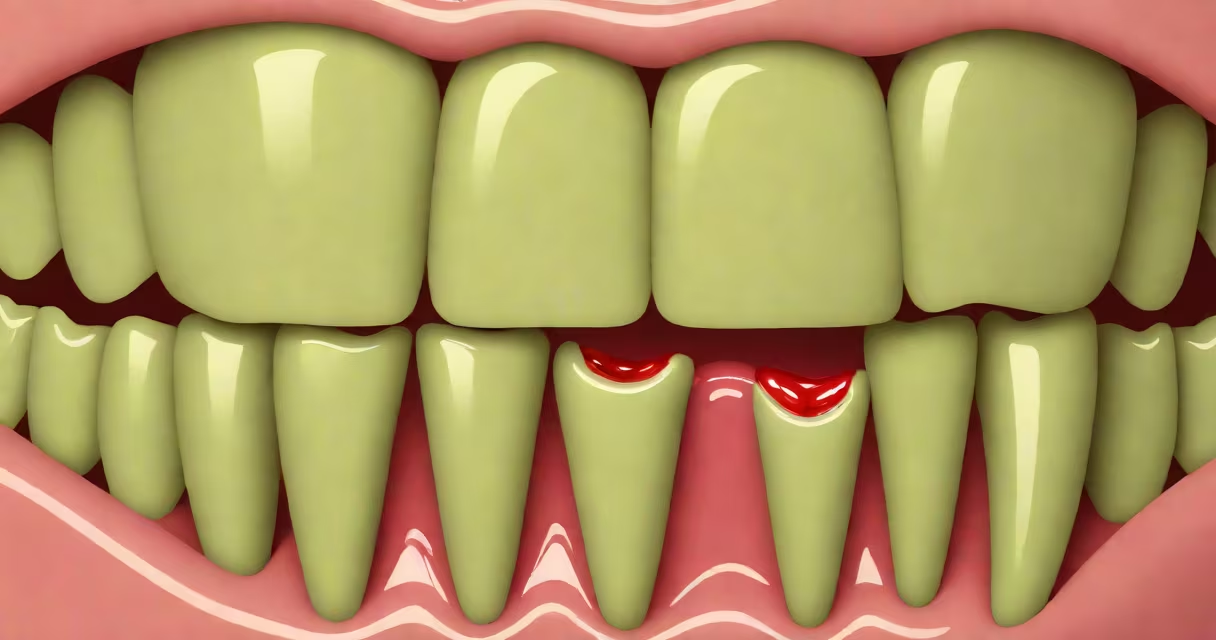
A sore tooth at gum line typically results from gum recession exposing the root surface, leading to sensitivity, inflammation, or early decay. This condition often develops gradually and may go unnoticed until sharp pain occurs during eating or brushing.
Gum recession exposes the dentin layer beneath the enamel. Unlike enamel, dentin contains tiny tubules that transmit pain signals when stimulated by heat, cold, or pressure. When the gum pulls away from the tooth, the root becomes vulnerable to bacteria, acid, and mechanical irritation.
Common triggers include aggressive brushing, periodontal disease, hormonal changes, or genetic predisposition. Without treatment, the exposed root can develop a cavity, leading to deeper infection or even tooth loss. Early intervention prevents progression.
The root surface lacks enamel, making it sensitive to temperature and touch. When the gum recedes, the root's nerve endings become accessible to stimuli. Cold drinks, hot foods, or even air blowing on the area can trigger sharp, sudden pain.
Dentin contains microscopic channels called tubules. When exposed, they allow fluid movement in response to external changes. This fluid shift activates sensory nerves in the pulp, resulting in the sensation of pain. This mechanism explains why a sore tooth at gum line often feels worse with temperature changes.
According to the American Dental Association (ADA), nearly half of adults aged 30 and older show some level of gum recession. The condition worsens over time if untreated, increasing the risk of periodontitis-a severe form of gum disease linked to heart disease and diabetes.
Several conditions contribute to a sore tooth at gum line. The most frequent are:
| Type | Key Features | Typical Cause |
|---|---|---|
| Gum recession | Visible root exposure, increased sensitivity, bleeding gums | Aggressive brushing, periodontal disease |
| Root caries | Dark spots near gumline, soft texture, pain on biting | Bacterial acid attack on exposed root |
| Gingival abscess | Pus, swelling, throbbing pain, fever | Bacterial infection in gum pocket |
Root caries is particularly common in older adults. A 2021 study published in the Journal of the American Dental Association found that 38% of adults over 65 have at least one root cavity. These cavities progress faster than crown decay because roots lack enamel protection.
One non-obvious factor: dry mouth. Reduced saliva flow increases bacterial load and lowers pH in the mouth. Saliva normally buffers acids and washes away food debris. With less saliva, the risk of root decay rises -even in people who brush regularly.
A sore tooth at gum line most frequently appears in the lower front teeth and upper molars. These areas experience higher mechanical stress during chewing and are harder to clean thoroughly.
People with bruxism (teeth grinding) often develop soreness at the gumline due to constant pressure on the tooth's root. Over time, this wears down the cementum-the thin layer covering the root-and accelerates gum recession.
During pregnancy, hormonal shifts increase blood flow to the gums, making them more prone to swelling and inflammation. Many women report heightened tooth sensitivity around the gumline during the second trimester, even without visible decay.
Many mistake a sore tooth at gum line for a cavity in the crown. But root sensitivity differs in pattern: it's usually triggered by cold or touch, not sweets. Cavities in the crown often cause pain when biting down.
Another misconception: brushing harder removes plaque better. Aggressive brushing damages gum tissue and wears down enamel and cementum. The ADA recommends using a soft-bristled brush and gentle circular motions. Hard brushing contributes to gum recession and root exposure.
I once treated a patient who reported constant pain at the gumline. He was using a hard-bristled toothbrush and brushing twice daily with force. After switching to a soft brush and fluoride toothpaste, his symptoms improved within two weeks. The pain wasn't from decay-it was from trauma-induced gum recession.
If pain persists beyond five days, worsens with pressure, or is accompanied by swelling, pus, or fever, seek care immediately. These signs indicate infection requiring antibiotics or drainage.
Early treatment options include desensitizing toothpaste, fluoride varnish, or a dental sealant applied to the exposed root. For advanced cases, a gum graft surgery may be needed to cover the exposed area and restore protection.
Ignoring a sore tooth at gum line risks irreversible damage. Once the root is exposed and decay progresses, extraction may be the only option. Prevention through regular dental visits and proper oral hygiene reduces long-term complications.