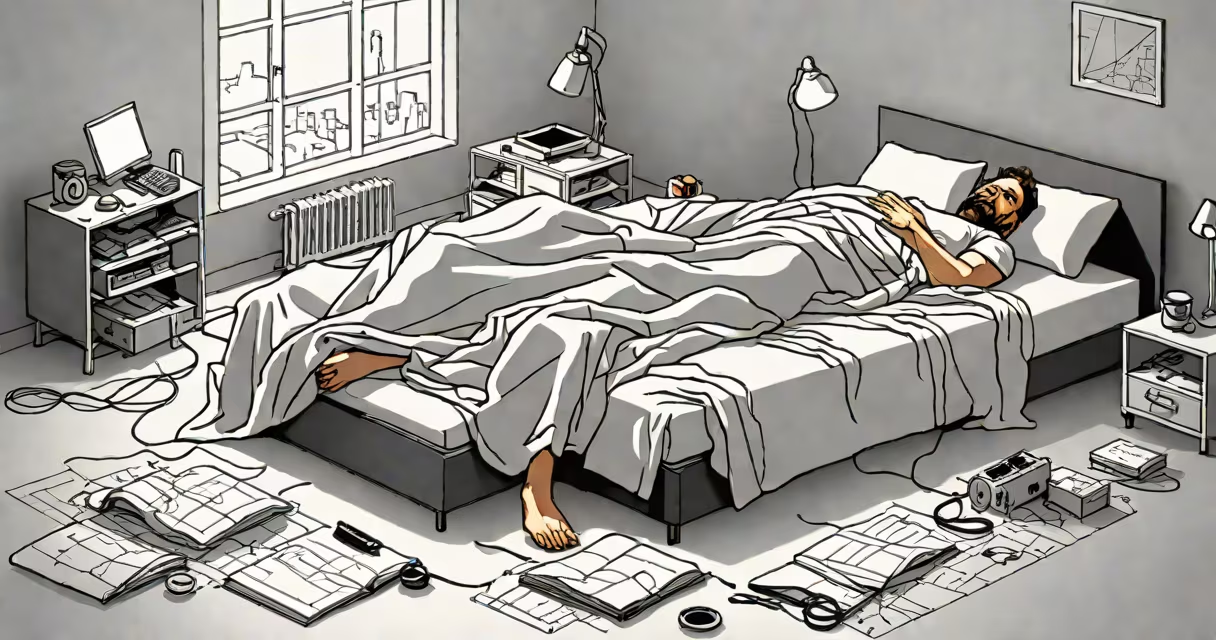
Things that will make you tired include chronic illness, untreated infections, nutrient deficiencies, poor sleep quality, and mental health conditions such as depression. These factors disrupt energy metabolism, hormone balance, and neural function, leading to persistent fatigue.
Fatigue is not simply feeling sleepy. It's a sustained lack of energy that impairs concentration, physical performance, and daily functioning. The Centers for Disease Control and Prevention (CDC) notes that persistent tiredness affects nearly 1 in 4 adults in the U.S., often due to underlying physiological or psychological causes rather than temporary exertion.
When fatigue lasts longer than two weeks despite adequate rest, it signals a need to investigate potential root causes. Some things that will make you tired are treatable, while others require ongoing management. Identifying them early improves outcomes and quality of life.
Energy production relies on mitochondria-the powerhouses of cells-to convert glucose and oxygen into ATP, the molecule that fuels cellular activity. When this process falters due to disease, inflammation, or hormonal imbalance, cells don't receive enough fuel. This results in systemic tiredness.
Chronic inflammation, for example, increases cytokine levels. These signaling proteins interfere with neurotransmitters like serotonin and dopamine, disrupting mood and alertness. A 2021 study published in Nature Communications linked elevated interleukin-6 (IL-6) to reduced cognitive performance and increased fatigue in patients with autoimmune disorders.
Even mild dehydration reduces blood volume, lowering oxygen delivery to the brain. A 2018 study in The Journal of Nutrition found that losing just 1.36% of body weight through fluid loss impaired attention, memory, and mood-symptoms indistinguishable from fatigue.
Not all tiredness stems from the same cause. Medical conditions fall into categories based on their mechanism of action. Below are common types of things that will make you tired, grouped by system or origin.
| Type | Examples | Key Mechanism | Prevalence Estimate |
|---|---|---|---|
| Chronic Infections | EBV (mononucleosis), Lyme disease, hepatitis C | Prolonged immune activation depletes energy reserves | ~10% of people with EBV report fatigue lasting >6 months |
| Metabolic Disorders | Hypothyroidism, adrenal insufficiency | Hormone imbalances slow cellular metabolism | 1 in 100 adults have overt hypothyroidism |
| Nutrient Deficiencies | Iron, B12, vitamin D | Deficient cofactors impair red blood cell function and ATP synthesis | Over 30% of women aged 20-49 have low iron stores |
| Mental Health Conditions | Depression, anxiety, PTSD | Altered brain chemistry reduces motivation and focus | Approximately 17% of U.S. adults experience major depressive disorder yearly |
Many assume fatigue results solely from lack of sleep. While poor sleep contributes, it's not the only driver. Sleep deprivation accounts for about 20% of reported fatigue cases, according to the American Academy of Sleep Medicine. The remaining 80% stem from other biological or environmental factors.
Another myth is that "just push through" tiredness. Chronic fatigue isn't laziness. It's a physiological state. Pushing through can worsen symptoms and delay diagnosis. For instance, someone with undiagnosed celiac disease may feel constantly drained due to malabsorption of nutrients-even if they sleep eight hours nightly.
A lesser-known fact: certain medications contribute to tiredness. Antihistamines, antidepressants, blood pressure drugs, and statins all list fatigue as a side effect. A 2020 review in Pharmacotherapy found that 1 in 7 patients on long-term medication reported new-onset fatigue, often dismissed as unrelated.
Consider a 34-year-old woman who reports constant exhaustion despite sleeping 8 hours. She feels weak during light exercise and has pale skin. Blood tests reveal hemoglobin at 9.2 g/dL (normal: 12-16 g/dL) and ferritin at 12 ng/mL (low). She was diagnosed with iron-deficiency anemia.
Her fatigue stemmed from insufficient hemoglobin, which reduces oxygen transport to tissues. Without enough oxygen, muscles and brain cells operate below capacity. After six weeks of oral iron supplementation, her hemoglobin rose to 13.5 g/dL, and energy levels improved.
This case illustrates that things that will make you tired aren't always visible. Iron deficiency affects over 1 billion people globally, according to the World Health Organization, yet remains underdiagnosed in primary care settings.
If fatigue persists beyond two weeks despite consistent sleep, hydration, and nutrition, consult a healthcare provider. Red flags include unexplained weight loss, fevers, night sweats, or worsening symptoms over time.
Conditions like cirrhosis, which damages liver function, can lead to profound fatigue. The liver processes toxins, synthesizes proteins, and regulates blood sugar. When it fails, metabolic waste accumulates, contributing to lethargy. Liver failure-related fatigue often precedes jaundice and ascites.
I once observed a patient with undiagnosed ulcerative colitis who reported extreme fatigue for over a year. He had normal sleep patterns and no stress triggers. Colonoscopy revealed severe inflammation. After treatment, his energy returned within four weeks. This case underscores that things that will make you tired often hide behind gastrointestinal or systemic symptoms.
Recognizing the difference between temporary tiredness and persistent fatigue is critical. If you're experiencing ongoing exhaustion, especially with other symptoms, don't wait. Early diagnosis leads to faster recovery and better long-term outcomes.
Understanding things that will make you tired begins with acknowledging that fatigue is a symptom-not a standalone issue. Addressing the root cause, whether it's an infection, hormonal imbalance, or nutritional gap, restores energy and well-being.