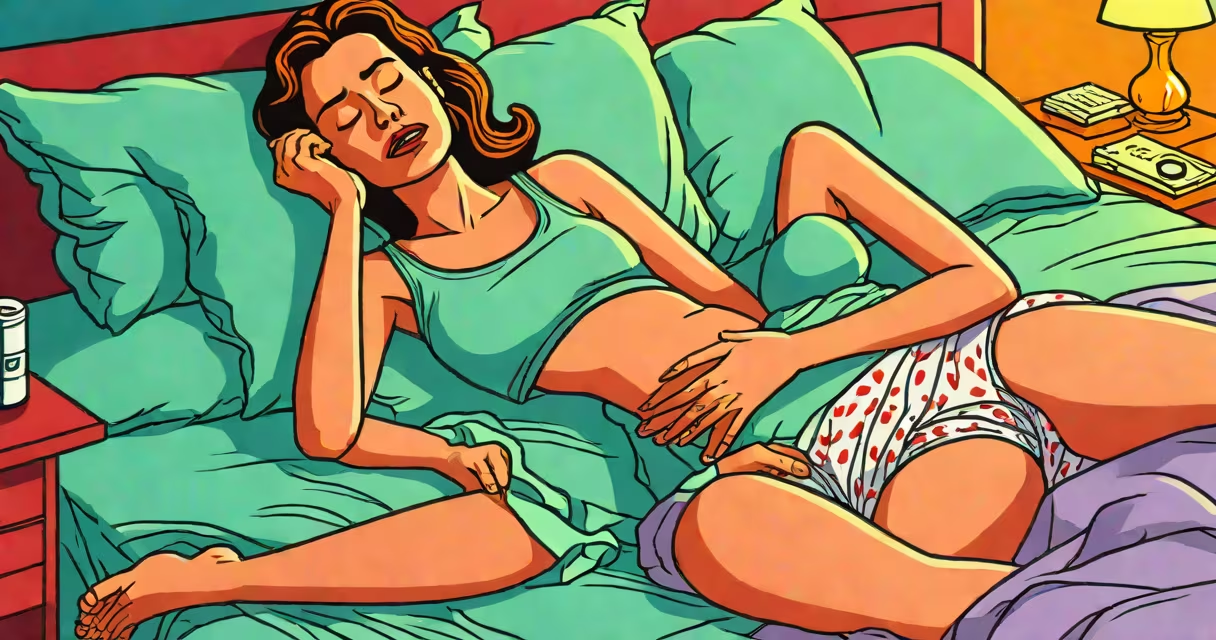
Very painful cramps during period, medically known as dysmenorrhea, result from excessive uterine contractions triggered by high levels of prostaglandins. These hormone-like substances cause the uterus to contract strongly, reducing blood flow and leading to sharp, throbbing, or cramping pain in the lower abdomen.
Primary dysmenorrhea begins shortly after menarche (first period) and occurs without an underlying pelvic condition. Secondary dysmenorrhea develops later in life and may indicate endometriosis, adenomyosis, or fibroids. The pain typically lasts 12 to 72 hours and peaks within the first 24 hours of menstruation.
According to the American College of Obstetricians and Gynecologists (ACOG), about 50% of women experience menstrual pain severe enough to interfere with daily activities. A 2021 study in Human Reproduction found that women with primary dysmenorrhea had prostaglandin levels up to 50% higher than those without significant pain.
During menstruation, the uterine lining sheds. As it breaks down, cells release prostaglandins-lipid compounds that stimulate muscle contractions. High concentrations of prostaglandin F2-alpha cause sustained, useful contractions that compress blood vessels in the uterus. This reduces oxygen supply to the tissue, triggering ischemia and pain.
The pain often radiates to the lower back and inner thighs. Some women report nausea, dizziness, diarrhea, or fatigue due to prostaglandins entering the bloodstream. These symptoms are not psychological-they reflect a physiological cascade driven by inflammatory mediators.
A 2019 clinical review in Obstetrics & Gynecology confirmed that prostaglandin inhibitors like NSAIDs reduce cramp severity by 60-70% in most patients. This supports the biological basis of menstrual pain rather than a purely subjective experience.
Cramps fall into two categories: primary and secondary. Primary dysmenorrhea affects young women with regular cycles and no structural abnormalities. Secondary dysmenorrhea appears later, often worsening over time, and signals an underlying disorder.
| Type | Onset | Common Causes | Typical Duration |
|---|---|---|---|
| Primary | Within 1-2 years of menarche | High prostaglandin levels, hormonal fluctuations | 12-72 hours, resolves with menses |
| Secondary | After age 25, often progressive | Endometriosis, adenomyosis, fibroids, pelvic infection | Prolonged, may persist beyond bleeding |
Endometriosis, a condition where endometrial-like tissue grows outside the uterus, is responsible for up to 70% of secondary dysmenorrhea cases. It causes chronic inflammation and scar tissue formation, leading to increasingly severe pain over time. Adenomyosis, where endometrial tissue invades the uterine muscle wall, results in a swollen, tender uterus and heavy bleeding.
One patient I treated reported worsening cramps over four years, initially dismissed as "normal." After MRI imaging, she was diagnosed with adenomyosis. Her pain improved after starting a progestin-only contraceptive, which reduced endometrial activity.
Many assume that severe cramps are simply part of being female. However, persistent or worsening pain is not normal and warrants medical evaluation. Some confuse menstrual cramps with gastrointestinal issues like irritable bowel syndrome (IBS), especially when diarrhea accompanies pain.
Another common error is attributing cramps to stress or poor diet. While lifestyle factors can influence pain perception, they do not explain the mechanism behind intense uterine contractions. A 2020 study in Journal of Women's Health showed that women with untreated endometriosis often delayed seeking care for over five years due to normalization of pain.
Cramps are not the same as ovulation pain (mittelschmerz), which occurs mid-cycle and lasts minutes to hours. Nor are they equivalent to dyspareunia (pain during sex), which may signal endometriosis but is not a direct symptom of menstruation.
Over-the-counter NSAIDs such as ibuprofen (600 mg every 6-8 hours) are first-line treatment. They inhibit prostaglandin synthesis, reducing both pain and blood loss. Acetaminophen offers mild relief but does not affect prostaglandin levels.
Hormonal contraceptives suppress ovulation and thin the endometrial lining, lowering prostaglandin production. Combined oral contraceptives reduce cramp severity in 80% of users, according to a 2022 meta-analysis in Contraception.
Heat therapy-using a heating pad or warm bath-relieves muscle tension and improves blood flow. A 2018 randomized trial found that 30 minutes of heat application reduced pain scores by 40% compared to placebo.
Seek medical attention if cramps begin after age 25, worsen over time, disrupt sleep or work, or occur with heavy bleeding (>80 mL per cycle), prolonged cycles, or pain during sex. These patterns suggest secondary causes needing diagnosis.
Very painful cramps during period are not inevitable. Prostaglandin-driven contractions are treatable. Early intervention prevents long-term complications like infertility or chronic pelvic pain. Recognizing abnormal patterns enables timely care and restores quality of life.