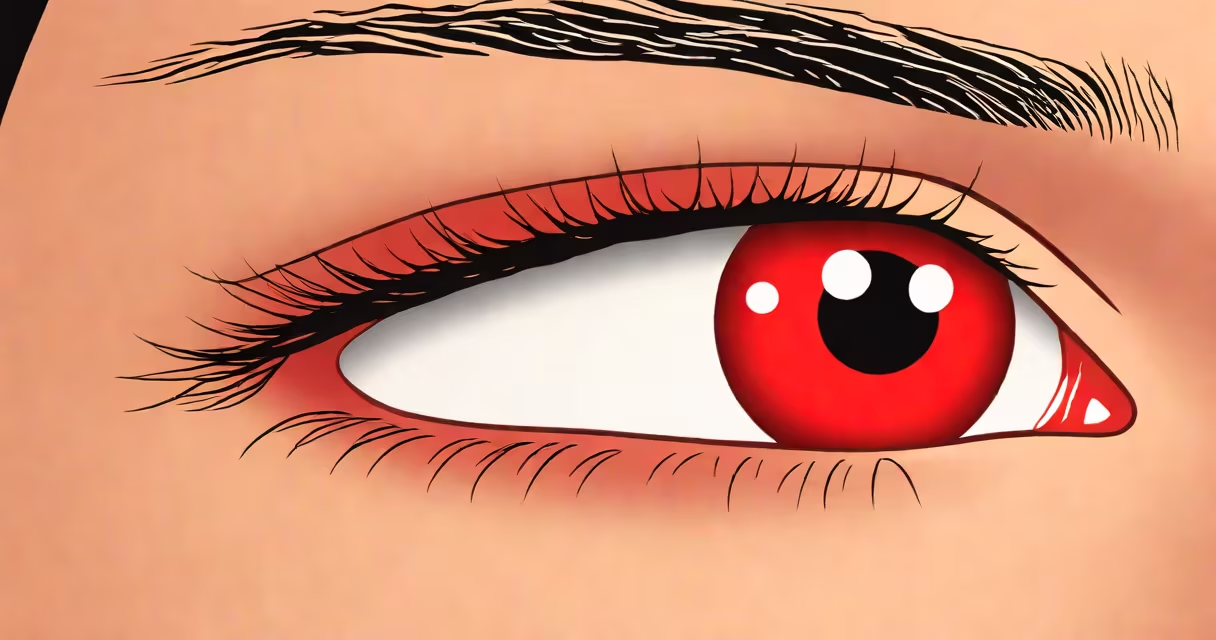
A lump under your eye is typically a localized swelling caused by blocked glands, infection, or blood pooling beneath the conjunctiva. Most are benign and resolve within days to weeks without treatment.
These lumps often appear as small, tender bumps along the eyelid margin or under the lower lid. They may be red, warm, or painful to touch. The most common causes include styes, chalazia, and subconjunctival hemorrhages-each with distinct origins and timelines.
Styes form when oil glands at the base of eyelashes become infected with Staphylococcus aureus. Chalazia develop when meibomian glands inside the eyelid become clogged, leading to painless swelling. Subconjunctival hemorrhages result from broken tiny blood vessels under the clear membrane covering the white of the eye, causing a bright red patch that may resemble a lump.
Each type of lump arises from different biological mechanisms. A stye begins with a bacterial infection in a Zeis gland-tiny sebaceous glands that lubricate eyelashes. The infection triggers inflammation, forming a pus-filled nodule. Symptoms usually peak within 2-3 days and resolve in 5-7 days with warm compresses.
A chalazion forms when the meibomian gland, which secretes oil to prevent tear evaporation, becomes obstructed. Unlike a stye, it's not caused by bacteria. Instead, trapped oil thickens and irritates surrounding tissue. Chalazia grow slowly, often painless, and may persist for weeks or months. They're more common in people with rosacea or blepharitis.
Subconjunctival hemorrhage occurs when a tiny blood vessel ruptures under the conjunctiva-the thin, transparent layer covering the sclera. This can happen during coughing, sneezing, or straining. The blood spreads under the conjunctiva, creating a visible red or purple patch. Though it looks alarming, it's usually harmless and clears in 10-14 days.
Understanding the differences between these conditions helps guide care. The table below summarizes key features:
| Type | Location | Pain Level | Duration | Common Triggers |
|---|---|---|---|---|
| Stye | Edge of eyelid, near lash line | High (tender, throbbing) | 5-7 days | Bacterial infection, poor hygiene |
| Chalazion | Inside upper or lower eyelid | Low to moderate (often painless) | 2-6 weeks | Gland blockage, chronic inflammation |
| Subconjunctival hemorrhage | White of the eye, not under lid | None (no pain) | 10-14 days | Straining, trauma, high blood pressure |
One key distinction missed by many: a chalazion is not infectious. It cannot spread to others or worsen through touching. Confusing it with a stye leads to unnecessary fear and overuse of antibiotics.
Most lumps under the eye are harmless. But certain signs indicate a need for medical evaluation. Seek care if the lump grows rapidly, causes vision changes, or persists beyond three weeks. Swelling that extends beyond the eyelid or involves the entire face suggests a deeper infection, such as orbital cellulitis-a rare but serious condition requiring IV antibiotics.
I once saw a patient who ignored a growing eyelid lump for six weeks. It turned out to be a basal cell carcinoma-an aggressive skin cancer that can mimic a chalazion. Early diagnosis prevented facial disfigurement. This case underscores that while most lumps are benign, persistent ones demand professional evaluation.
For mild cases, warm compresses applied for 10 minutes, four times daily, can reduce swelling and promote drainage. Use a clean washcloth soaked in hot water-temperature should feel tolerable, not scalding. Avoid squeezing or attempting to drain the lump, which increases infection risk.
Over-the-counter treatments like lid scrubs with diluted baby shampoo can help manage recurring styes. For chalazia lasting longer than two weeks, a doctor may inject corticosteroids or perform minor surgery to drain the cyst. Styes that don't improve after a week may require antibiotic ointment or oral antibiotics.
Subconjunctival hemorrhages need no treatment. The redness fades gradually, shifting from bright red to yellowish as blood breaks down. Wearing sunglasses can reduce light sensitivity during healing.
What is the lump under my eye? It's usually a temporary, non-serious condition-either a stye, chalazion, or subconjunctival hemorrhage. Each has unique causes, durations, and care needs. Recognizing the difference prevents mismanagement and unnecessary worry.
If you're unsure, consult an eye doctor. Persistent or changing lumps require clinical evaluation. Early diagnosis ensures effective treatment and avoids complications.