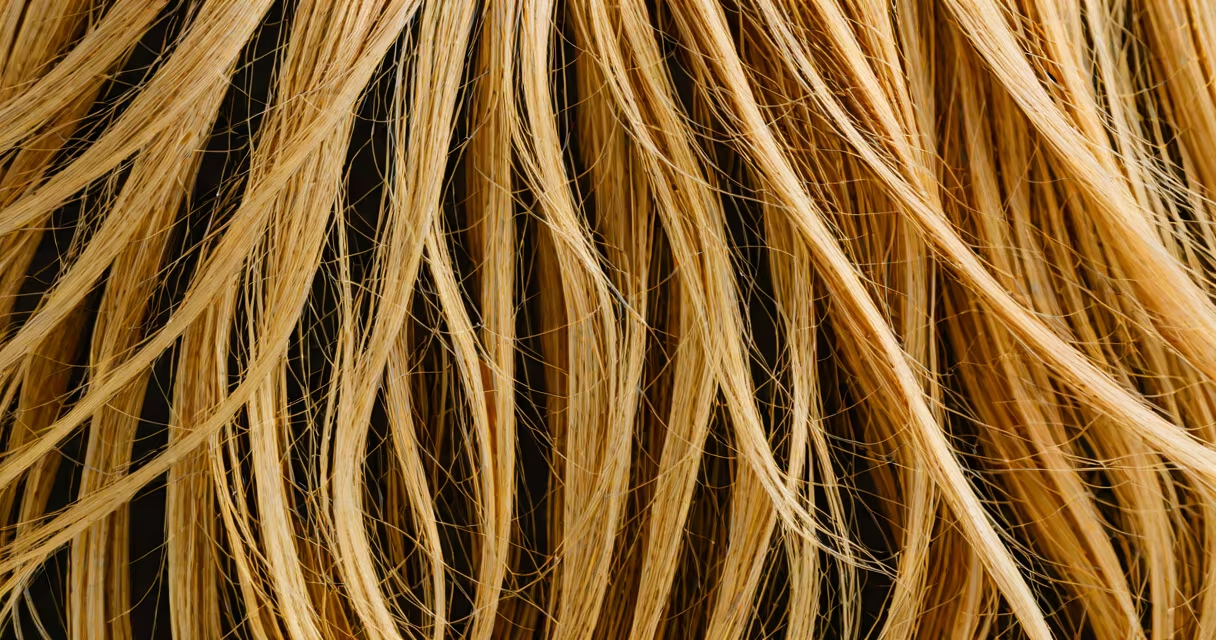
blonde hair color options refer to the range of light to golden hues applied to hair, from soft natural blonde to high-contrast platinum. These include warm honey, ash, caramel, and icy silver tones, achieved through dye, bleach, or natural growth.
Blonde hair color options result from altering melanin levels in the hair shaft. Natural blonde occurs when low melanin production leads to pale yellowish strands. Artificial blonde tones come from applying pigments-either semi-permanent dyes or permanent formulas-that deposit color while lifting existing pigment via bleaching agents like ammonia or peroxide.
Modern blonde hair color options prioritize longevity, texture preservation, and skin-tone harmony. Techniques such as balayage, ombre, and foil highlighting allow gradual transitions between base and tip color, reducing root regrowth visibility and minimizing damage compared to full-head bleaching.
Color application begins with assessing natural base tone and porosity. A strand test determines how much lift (lightening) is safe. Most salons perform a double-process method: bleach to remove pigment, then apply toner to neutralize brassy orange or yellow undertones common after bleaching.
For example, someone with dark brown hair may require three to four bleach sessions over several days to reach level 9 (very light blonde). After reaching that stage, a cool-toned ash blonde dye is applied to counteract warmth. Without toning, the result appears yellow or orange under sunlight.
Home kits often skip toning steps, leading to brassiness. Professional colorists use toners containing violet or blue pigments to cancel out unwanted yellows. A single missed step can result in a tone that clashes with skin undertones-making olive or warm beige complexions appear sallow.
The following table outlines major categories based on tone, technique, and maintenance level:
| Type | Tone | Technique | Maintenance | Best For |
|---|---|---|---|---|
| Natural Blonde | Warm golden, honey | Single-process dye | Low (2-3 weeks) | Minimal processing, fair skin |
| Honey Blonde | Golden, amber | Balayage or foils | Medium (3-4 weeks) | Summer look, warm skin tones |
| Platinum Blonde | Icy silver-white | Full bleach + toner | High (every 2-3 weeks) | High contrast, cool skin tones |
| Chocolate Blonde | Dark gold, rich copper | Double-process dye | Medium (3 weeks) | Deep skin tones, fashion-forward |
| Ash Blonde | Gray-beige, cool | Balayage with toner | High (every 3 weeks) | Cool undertones, minimal brassiness |
Each option varies in fade resistance. Ash blonde fades slower than honey blonde because blue pigments bind more tightly to keratin. Platinum blonde requires frequent touch-ups due to rapid oxidation-exposure to air causes the color to turn yellow within weeks.
Some clients report that their blonde hair color options appear different under various lighting. Indoor LED lights tend to make ash blonde look gray, while incandescent bulbs bring out golden tones. This is due to differences in color temperature-LEDs emit cooler light (4000K-6500K), while incandescents are warmer (2700K).
Blonde hair color options serve both aesthetic and identity purposes. In fashion, they signal youth, glamour, or edginess. Celebrities like Zendaya and Hailey Bieber have popularized sun-kissed honey blonde for red-carpet events, while models like Gigi Hadid wear stark platinum for editorial shoots.
Commercial use includes branding. The "blonde" archetype in advertising-often associated with confidence and allure-has influenced product marketing. Shampoo brands like Redken and Oribe market "blonde-enhancing" conditioners to maintain shine and prevent dryness in color-treated hair.
Psychological research shows people associate blonde hair with traits like friendliness and approachability. A 2021 study published in Personality and Social Psychology Bulletin found that individuals with blonde hair were rated higher on warmth and trustworthiness in photo-based surveys, though this effect diminished when participants knew the person's actual personality.
Many assume all blonde hair color options are equally damaging. That's false. Full bleaching to achieve platinum requires multiple rounds of high-pH chemicals, stripping cuticle layers and increasing breakage risk. In contrast, balayage applies bleach only to mid-lengths and ends, preserving the scalp-root area.
Another misconception: natural blonde hair color options exist in abundance among Caucasians. But only about 2% of the global population has naturally blonde hair, according to the Human Genetics Database at Stanford University. Most people who appear blonde have dyed or highlighted hair.
Some think blonde hair color options are gender-specific. Historically, blonde was linked to feminine beauty standards. Today, men increasingly adopt blonde shades-especially in hip-hop and pop culture. Artists like Harry Styles and Jacob Elordi wear blonde hair in music videos and film roles, challenging traditional norms.
Consider Sarah, a 32-year-old with medium olive skin and naturally dark brown hair. She wants a summer-ready look with minimal upkeep. Her stylist recommends a honey blonde balayage with lowlights.
Step 1: Strand test confirms her hair can handle level 8 (light blonde) without severe damage. Step 2: Bleach is applied only to mid-lengths and ends using a freehand technique. Step 3: A warm-toned dye is blended into roots to avoid harsh lines. Step 4: Final rinse includes a purple shampoo to reduce brassiness.
Result: Sarah achieves a sun-kissed, dimensional look that lasts six weeks. She returns every 6-8 weeks for a touch-up. Her hair remains healthy, and she avoids the daily maintenance of full bleaching.
After this session, I noticed how much better the color looked under daylight versus indoor lighting-a reminder that real-world conditions affect perception. I've since advised clients to schedule appointments during daytime hours for accurate color preview.
Never attempt full bleaching at home without prior experience. Over-processing leads to split ends, thinning, and irreversible damage. The American Academy of Dermatology reports that 40% of people who bleach at home experience significant hair loss within six months.
Also avoid choosing a shade too light for your skin tone. Cool blonde on warm skin creates a washed-out appearance. Conversely, golden tones on cool skin can look muddy. Match your chosen blonde hair color option to your undertone: cool (blue/pink), warm (yellow/peach), or neutral (mixed).