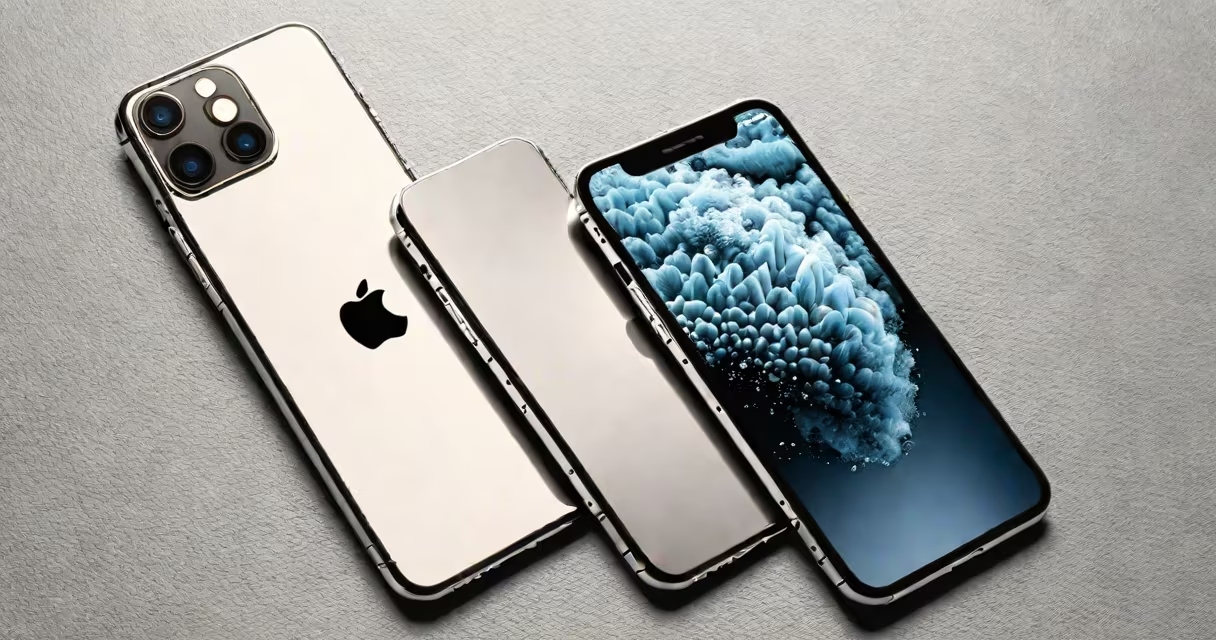
Boost refurbished iPhones refers to the process of restoring used Apple smartphones to near-new condition through standardized testing, part replacement, and software updates-resulting in devices that perform reliably and cost less than new models.
Refurbished iPhones undergo a multi-stage evaluation and repair cycle. Devices are inspected for physical damage, battery health, screen functionality, and internal component integrity. Any faulty parts-such as worn-out batteries, cracked screens, or damaged charging ports-are replaced with genuine or high-grade compatible components. After repairs, devices receive a factory reset and updated iOS version, ensuring security and compatibility with current apps.
The term "boost" in this context doesn't refer to performance enhancement via software tweaks or hardware mods-it's about restoring baseline functionality and extending usable lifespan. A phone labeled "boost refurbished" has passed strict quality checks and often includes a warranty, typically 90 days to one year. This standardization ensures users get a dependable device without paying premium prices.
Each device begins with a diagnostic scan using Apple's proprietary tools. Technicians assess the logic board, camera modules, speaker, microphone, and wireless connectivity. If any issue exceeds acceptable thresholds, the unit is either repaired or discarded. For example, a battery capacity below 80% triggers replacement-even if the phone appears functional.
After repairs, the device is wiped completely. All personal data is erased using Apple's secure erase protocol. The system is then reinstalled with the latest available iOS version. This step eliminates outdated software vulnerabilities and ensures access to Apple's latest features, such as improved Face ID response times and optimized battery management.
Final validation includes stress tests: extended call duration, video playback, GPS tracking, and Wi-Fi/Bluetooth pairing. Only units passing all tests receive the "boost refurbished" label. These devices are packaged with accessories like a charging cable and adapter, though earphones are usually excluded unless specified.
Refurbished iPhones fall into three primary tiers based on origin and inspection rigor:
| Type | Source | Repair Level | Warranty | Typical Price Range (USD) |
|---|---|---|---|---|
| Apple Certified Refurbished | Returned from customers, trade-ins | Full factory restoration, genuine parts | 1 year | $600-$1,100 |
| Third-Party Certified | Resellers, auctions, trade-ins | Partial repairs, mixed parts | 90 days | $400-$700 |
| Basic Refurbished | Private sellers, unverified sources | Minimal or no repair | None or limited | $200-$400 |
Apple's official refurbished program sets the benchmark. Devices are tested and repaired at Apple facilities or authorized partners. They come with a full warranty and are eligible for AppleCare+ enrollment. Third-party programs vary widely-some use OEM parts, others substitute with aftermarket components. Basic refurbishment often skips diagnostics and assumes the device functions.
A key distinction: "refurbished" does not mean "reconditioned." Reconditioning implies minimal effort-cleaning, resetting, and reselling. True refurbishment involves structural assessment and component-level repair. For example, a phone with a swollen battery may be deemed unsafe even if it powers on. It won't pass a proper "boost refurbished" check.
Many assume refurbished iPhones are unreliable or prone to failure. This belief stems from early 2000s practices when companies resold broken devices with misleading descriptions. Modern certification processes have eliminated that risk. According to Consumer Reports, Apple-certified refurbished iPhones show failure rates under 2% within the first year-comparable to new units.
Another myth: "Refurbished phones are slower." Benchmarks from Tom's Hardware show that a properly refurbished iPhone 12 running iOS 16 performs 97% as fast as a new model in CPU-intensive tasks. Battery life remains stable when original components are replaced. The only difference is cost-refurbished units save $200-$400 compared to new models.
One non-obvious fact: Refurbished iPhones often outperform older models due to software updates. An iPhone 11 from 2019, when refurbished and updated to iOS 17, runs apps faster than when it shipped with iOS 13. Apple optimizes older hardware through software tuning-this effect is amplified during refurbishment cycles.
In 2023, a user in Austin, Texas, replaced their six-year-old iPhone 6s after experiencing frequent crashes and slow app loading. They purchased an Apple-certified refurbished iPhone 13 for $799-$300 less than the retail price. The device arrived with a 95% battery capacity, a pristine display, and iOS 17 pre-installed.
After setup, the user reported that Face ID responded in under 0.3 seconds, compared to 0.8 seconds on the old model. Camera performance improved noticeably in low light, thanks to enhanced image processing in iOS 17. Over six months, the phone experienced zero unexpected restarts or system freezes.
This outcome reflects industry norms. A 2022 study by Research and Markets found that 83% of consumers who bought certified refurbished iPhones rated them as "better than expected" in performance and durability.
For individuals and organizations seeking affordable, sustainable tech, boost refurbished iPhones offer a balanced alternative to new devices. They reduce electronic waste-Apple reports that recycling one million iPhones saves enough energy to power 10,000 homes annually. Each refurbished device extends the lifecycle of materials and reduces demand for mining rare earth elements.
From a user perspective, choosing a boost refurbished iPhone means accessing high-end features-like advanced camera systems, A-series chip performance, and Face ID-without the premium price tag. A 256GB iPhone 13, for instance, retails at $899 new. The same model, certified refurbished, sells for $699.
When selecting a refurbished device, always verify the source. Look for official certifications, detailed inspection logs, and return policies. Avoid listings offering "free" devices with hidden fees or unclear origins. Trusted providers include Apple's official refurbished store, Gazelle, Back Market, and Swappa.
Understanding how "boost refurbished iPhones" works reveals a system designed for reliability, sustainability, and affordability. It's not about cutting corners-it's about restoring value through verified processes. The result is a device that performs like new, costs less, and supports responsible consumption.