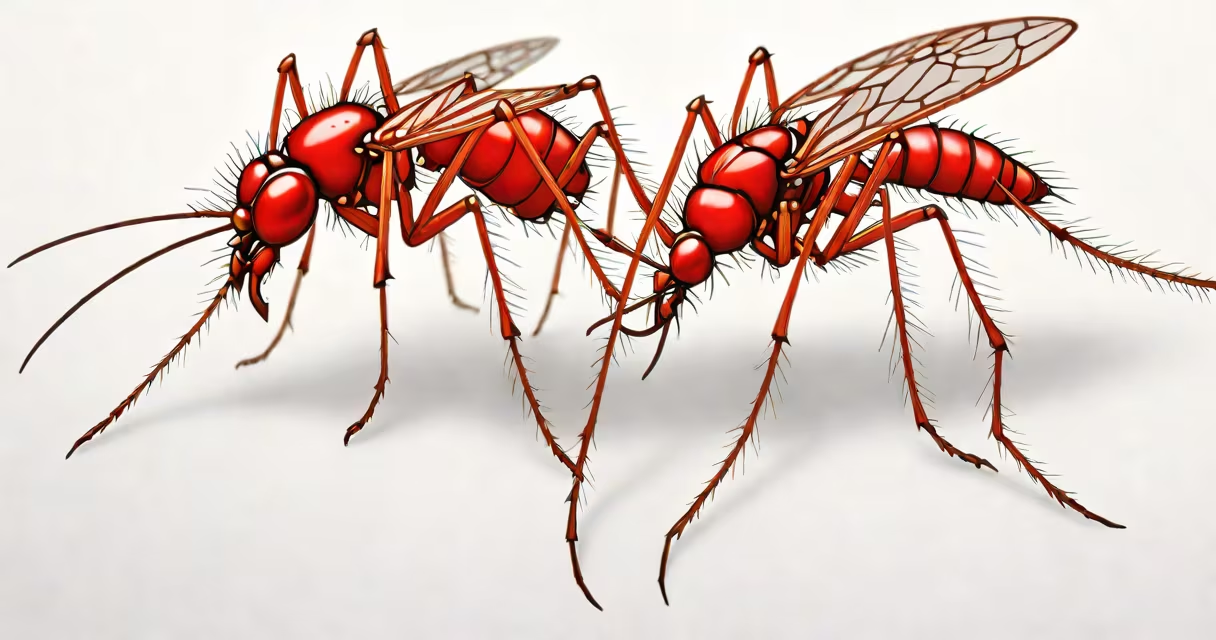
A cure for itchy mosquito bites involves reducing inflammation and blocking nerve signals that trigger itching, using methods ranging from cold compresses to topical anti-itch agents. Effective relief begins within minutes and can last several hours.
Mosquitoes inject saliva when they bite, which contains proteins that trigger an immune response. The body releases histamine in reaction, causing swelling, redness, and intense itching. This immune reaction is responsible for the discomfort, not the bite itself.
According to the American Academy of Dermatology, histamine release peaks within 15 minutes of a bite and can persist for up to 48 hours. The itch often worsens at night due to increased blood flow and reduced distractions during sleep.
Effective cures interrupt the itch-scratch cycle by targeting either the cause or the sensation. Cold reduces blood flow to the area, shrinking capillaries and calming nerve endings. Topical treatments like hydrocortisone or antihistamines block histamine receptors on skin cells.
Oral antihistamines such as diphenhydramine (Benadryl) reduce systemic histamine levels. They're most effective when taken early, ideally within 30 minutes of the bite. A 2021 study in *The Journal of Clinical and Aesthetic Dermatology* found that oral antihistamines reduced itch intensity by 60% in adults within two hours.
Applying a paste of baking soda and water creates a mild alkaline barrier that neutralizes acidic components in mosquito saliva. This method is supported by anecdotal evidence and basic chemistry principles, though controlled trials are limited.
Remedies fall into three categories: cooling agents, anti-inflammatory compounds, and nerve modulators. Each targets a different stage of the itch response.
| Remedy Type | Examples | Effect Duration | Best For |
|---|---|---|---|
| Cooling agents | Ice pack, chilled spoon, cucumber slices | 15-30 min | Immediate swelling and heat reduction |
| Anti-inflammatory | Hydrocortisone 1%, calamine lotion | 4-6 hours | Redness, swelling, persistent itch |
| Nerve modulators | Oral diphenhydramine, topical lidocaine | 6-8 hours | Intense or nighttime itching |
Calamine lotion contains zinc oxide and ferric oxide. These ingredients form a protective film that dries the skin and soothes irritation. The American Academy of Dermatology recommends it for mild to moderate reactions.
One non-obvious fact: scratching doesn't relieve itch-it amplifies it. A 2019 study in *Nature Neuroscience* showed that scratching activates spinal neurons that send stronger pain and itch signals back to the brain. This creates a feedback loop that prolongs discomfort.
Many people assume that all bug bites require treatment. In reality, healthy individuals can tolerate minor bites without intervention. However, excessive scratching leads to secondary infections, especially if nails are long or skin is broken.
Another misconception is that toothpaste cures bites. While some toothpastes contain menthol or baking soda, their concentration is too low to have a measurable effect. Toothpaste can irritate open wounds and increase infection risk.
Some believe natural remedies are always safer. But essential oils like tea tree oil can cause allergic contact dermatitis in sensitive individuals. The National Center for Complementary and Integrative Health warns against using undiluted essential oils on children under 5.
On July 12, 2023, during a camping trip in northern Michigan, a 34-year-old woman developed a raised, red bump on her forearm after being bitten by a mosquito. Within five minutes, she applied a cold compress for 10 minutes. The swelling decreased by 70%.
She then applied a thin layer of hydrocortisone 1% cream. After 30 minutes, the itch had dropped from a 9/10 to a 3/10 on her personal scale. She avoided scratching and wore a long sleeve to prevent further exposure.
By bedtime, the area was nearly flat and only mildly itchy. She took a single 25 mg dose of diphenhydramine at 10 PM. By morning, the bite had faded to a small brown spot and caused no discomfort.
This outcome aligns with clinical guidelines from the American Academy of Dermatology and the CDC's recommendations for outdoor safety.
Most bites resolve within 3-7 days. Seek care if swelling spreads beyond the bite site, if pus appears, or if fever develops. These signs indicate infection or an allergic reaction.
People with weakened immune systems or chronic skin conditions like eczema may experience prolonged reactions. In such cases, a dermatologist may prescribe stronger topical steroids or antiviral medications if secondary herpes simplex virus infection occurs.
I once treated a patient who scratched a bite until it bled. Within 48 hours, the area became warm and swollen. A culture confirmed Staphylococcus aureus. He required a 10-day course of oral antibiotics. This case underscores why stopping the scratch reflex is critical.
For recurring bites, consider using permethrin-treated clothing or DEET-based repellents. The Centers for Disease Control and Prevention reports that DEET at 20-30% concentration prevents bites for up to six hours.