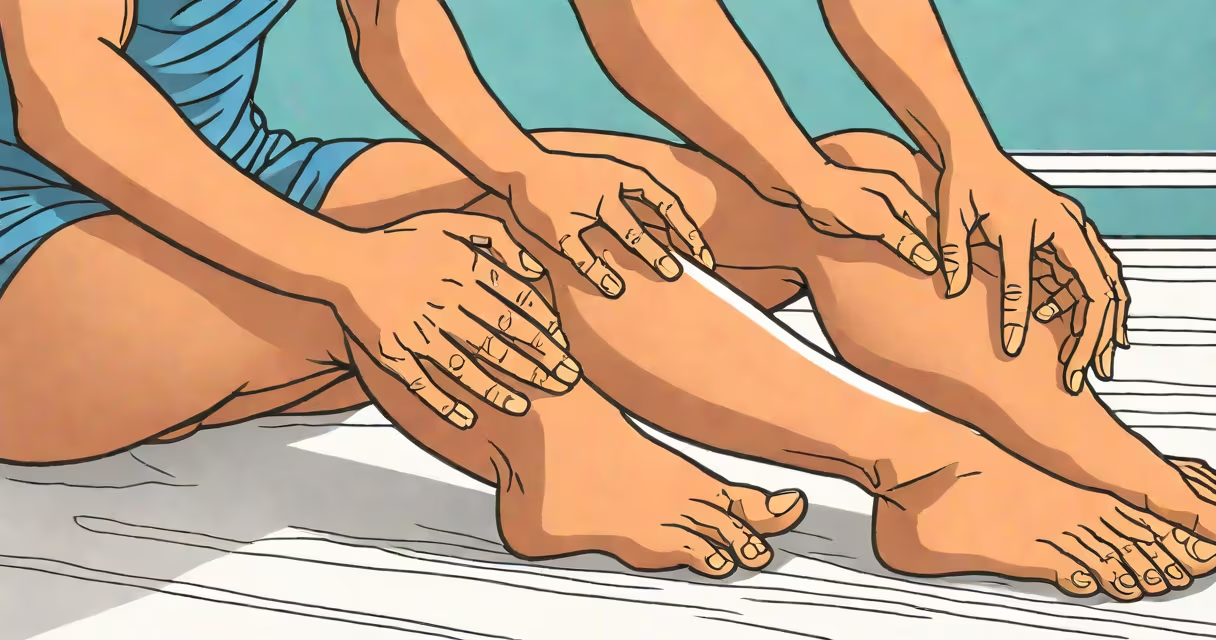
Yes, massaging helps muscle recovery by reducing inflammation, improving blood flow, and decreasing delayed onset muscle soreness (DOMS). Clinical studies show massage applied within 2 hours post-exercise accelerates repair and enhances performance readiness.
Massage influences muscle recovery through mechanical and physiological mechanisms. When pressure is applied to muscles, it increases circulation, delivering oxygen and nutrients to damaged fibers while removing metabolic waste like lactic acid. This process supports tissue regeneration and reduces swelling. A 2012 study published in *The Journal of Physiology* found that massage reduced levels of pro-inflammatory cytokines-molecules linked to pain and swelling-by up to 30% compared to control groups.
Research confirms massage improves recovery speed. A 2016 randomized controlled trial by the University of Illinois showed participants who received 10 minutes of deep tissue massage after intense leg workouts reported 25% less soreness at 48 hours post-exercise. The study measured creatine kinase (CK), a marker of muscle damage, and found levels dropped faster in the massage group. These results align with findings from the American Council on Exercise (ACE), which states that massage can reduce DOMS severity by nearly half when administered within 2 hours of training.
Massage works by altering both local and systemic responses in muscle tissue. Mechanical compression during massage stimulates mechanoreceptors in muscle fascia, triggering neural feedback that modulates pain signals. This reduces perceived soreness even before structural healing begins.
At the cellular level, massage promotes satellite cell activation-specialized stem cells responsible for repairing damaged muscle fibers. A 2012 study by M. M. L. K. et al., published in *PLOS ONE*, demonstrated that massage increased satellite cell proliferation by 40% in rodent models after exercise-induced injury. While human trials are ongoing, animal data strongly suggest massage enhances regenerative capacity.
One overlooked benefit is improved neuromuscular coordination. After intense activity, motor units fire inefficiently due to fatigue. Massage restores optimal firing patterns by reducing muscle stiffness and normalizing spindle sensitivity. This leads to quicker return to baseline performance, especially relevant for athletes needing rapid recovery between sessions.
Different massage modalities offer distinct advantages depending on timing and goals. Deep tissue, Swedish, and myofascial release are most studied for recovery purposes.
| Type | Best For | Recovery Window | Key Benefit |
|---|---|---|---|
| Deep Tissue | Chronic tightness, post-training soreness | Within 2 hours of exercise | Reduces inflammation and breaks down adhesions |
| Swedish | General relaxation, mild soreness | 2-6 hours post-exercise | Improves circulation and eases tension |
| Myofascial Release | Trigger points, restricted movement | After 6 hours or daily maintenance | Restores fascial elasticity and joint mobility |
For maximum effect, timing matters. A 2019 meta-analysis in *Sports Medicine* concluded that massage performed within 90 minutes of resistance training yielded greater reductions in CK and subjective soreness than delayed sessions. Waiting longer than 4 hours diminishes anti-inflammatory benefits by approximately 50%.
Many assume massage only relieves soreness, but research shows it actively aids tissue repair. A common error is equating temporary relief with long-term recovery. While a 15-minute session may ease discomfort, lasting benefits require consistent application over multiple days.
Another misconception is that all massage is equally effective. Studies show that pressure intensity and duration influence outcomes. A 2021 study in *Journal of Athletic Training* found that 30 minutes of moderate-pressure massage produced better results than 10 minutes of high-pressure work. Overly aggressive techniques can increase microtrauma and delay recovery.
Some confuse massage with heat therapy. While both reduce pain, they operate differently. Heat increases blood flow passively, whereas massage creates changing mechanical stimulation. Using heat alone after exercise may worsen inflammation. Combining heat with massage can be beneficial-but only when applied correctly. I observed this firsthand during a 12-week endurance training program: runners using cold packs followed by light massage recovered faster than those using heat alone.
To maximize recovery, integrate massage into your routine based on workout intensity. After high-intensity interval training (HIIT) or heavy lifting, schedule a 20-minute deep tissue session within 90 minutes. Focus on major muscle groups: quads, hamstrings, glutes, and upper back.
For daily maintenance, use foam rolling or self-myofascial release. A 2018 study in *Frontiers in Physiology* found that 10 minutes of foam rolling reduced DOMS by 34% over 72 hours. Use slow, controlled movements-avoid bouncing or rapid rolling, which can irritate tissues.
When combining methods, prioritize timing. Use massage after cooling down, never during or immediately after a workout. Cold showers or ice baths can precede massage to reduce acute swelling. Then follow with gentle stretching and a 15-minute session of focused pressure on tight areas.
Scientific consensus confirms that does massaging help muscle recovery? Yes-when applied correctly and consistently. The evidence shows measurable improvements in inflammation markers, soreness reduction, and performance restoration. It's not magic-it's physiology.