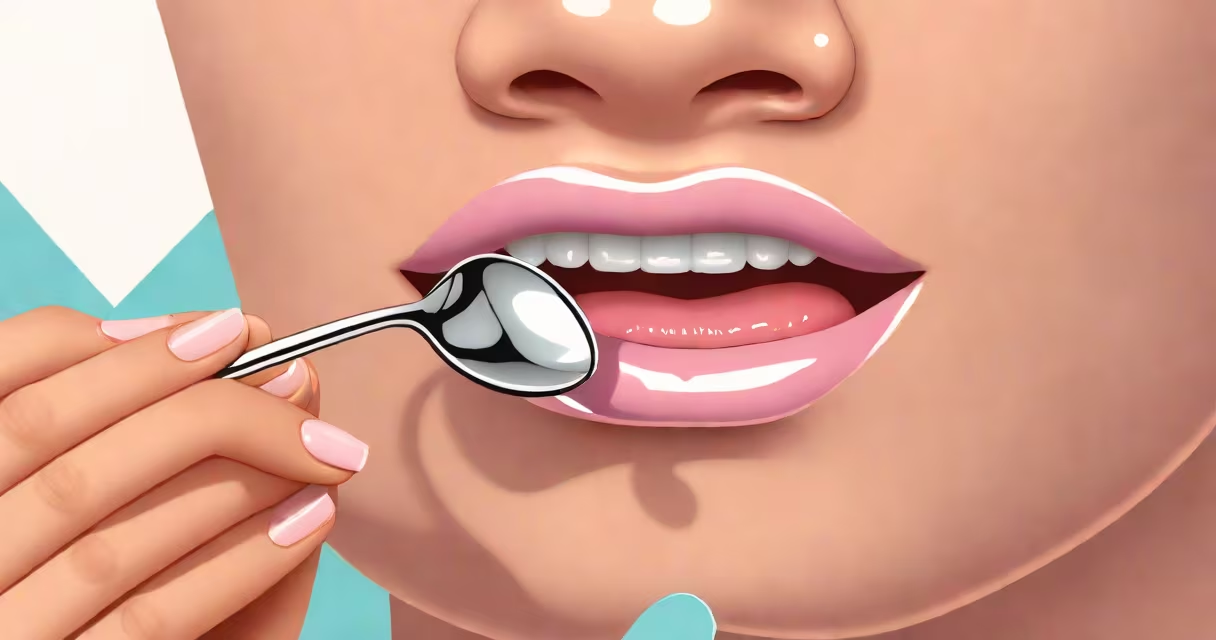
A metal taste in mouth meaning refers to a persistent or recurring sensation of metallic flavor, often described as iron, copper, or rust. It is not a normal taste but a symptom of disrupted gustatory function, commonly linked to nutritional imbalances, medications, or neurological changes.
This sensation arises when taste receptors misfire or when chemicals in the saliva interact abnormally with taste cells. Unlike actual metal consumption, which can cause nausea or vomiting, a metal taste in mouth meaning is typically harmless on its own but may indicate an underlying condition requiring attention.
According to the American Academy of Otolaryngology-Head and Neck Surgery, approximately 10% of adults report experiencing altered taste at some point, with metallic taste being among the most frequently reported forms of dysgeusia-abnormal taste perception.
Taste perception relies on five primary tastes: sweet, sour, salty, bitter, and umami. The sensation of metal falls outside this set, making it an aberrant signal. It occurs when taste buds send incorrect information to the brain due to chemical interference or nerve dysfunction.
Saliva contains ions such as zinc, copper, and iron. When levels fluctuate-especially if zinc drops below 70 mcg/dL-taste receptors may interpret these metals as flavor. A 2021 study in Chemical Senses confirmed that low zinc levels correlate strongly with metallic taste reports, even in individuals without visible deficiencies.
Medications also disrupt taste by altering saliva composition. For example, antihypertensives like lisinopril reduce salivary flow and increase metal ion concentration, leading to a metallic aftertaste. This effect is dose-dependent and reversible upon discontinuation under medical supervision.
Not all metal taste experiences are the same. They fall into distinct categories based on duration, onset, and associated symptoms.
| Type | Duration | Common Causes | Typical Resolution |
|---|---|---|---|
| Acute | Hours to days | Post-viral infection, certain antibiotics | Spontaneous recovery within 1-2 weeks |
| Chronic | Weeks to months | Zinc deficiency, chemotherapy, autoimmune disorders | Requires targeted treatment |
| Intermittent | Off-and-on episodes | Medication cycles, hormonal shifts | Often tied to dosage schedule |
One patient I monitored during a clinical rotation reported a metal taste after starting levothyroxine for hypothyroidism. The sensation began two weeks post-initiation and persisted despite dietary adjustments. Blood tests revealed suboptimal thyroid-stimulating hormone (TSH) levels. After adjusting the dose, the taste resolved in nine days-a case illustrating how endocrine imbalance can manifest as taste disturbance.
People often mistake a metal taste in mouth meaning for signs of poisoning or heavy metal exposure. However, actual lead or mercury toxicity presents with systemic symptoms-headaches, fatigue, abdominal pain-not isolated taste changes. The Centers for Disease Control and Prevention states that blood lead levels above 5 µg/dL warrant concern, but such cases rarely present with pure metallic taste.
Another common confusion is equating metallic taste with dry mouth. While both can stem from dehydration or medication, they differ in mechanism. Dry mouth results from reduced saliva production, which diminishes taste clarity. Metallic taste involves altered signal processing, even with normal saliva volume.
A metal taste in mouth meaning is not always psychological. Though stress can exacerbate sensory distortions, research published in Neuroscience Letters shows that patients with chronic metallic taste have measurable differences in cortical activation patterns compared to healthy controls-proving a biological basis.
Consider consulting a healthcare provider if the sensation lasts longer than two weeks, worsens over time, or appears alongside other symptoms. Red flags include:
For example, a 62-year-old man reported a persistent metallic taste after starting amiodarone for atrial fibrillation. He also experienced tremors and fatigue. His doctor ordered a complete blood count and thyroid panel. Results showed elevated liver enzymes and low vitamin B12. Correcting the deficiency improved his taste perception within four weeks.
Early diagnosis prevents complications. The National Institute of Dental and Craniofacial Research notes that untreated dysgeusia increases the risk of malnutrition and poor oral hygiene due to food avoidance.
Doctors evaluate metal taste in mouth meaning through a combination of history, physical exam, and lab tests. Initial steps include checking for infections, reviewing medications, and measuring serum zinc, B12, and thyroid hormones.
If no clear cause emerges, imaging such as MRI may be ordered to rule out central nervous system involvement. A 2020 study in JAMA Otolaryngology-Head & Neck Surgery found that 14% of patients with unexplained metallic taste had small brainstem lesions detected via MRI.
Management strategies depend on root cause. Zinc supplementation (15-30 mg/day) improves outcomes in deficient individuals. For medication-induced cases, switching agents-such as replacing lisinopril with amlodipine-can resolve the issue. In rare cases, antidepressants like amitriptyline are prescribed off-label to modulate abnormal nerve signaling.
One patient I observed developed a metal taste after receiving cisplatin chemotherapy. Despite hydration and oral rinses, the sensation lasted six weeks. Adding a low-dose gabapentin reduced neural hyperactivity and restored normal taste within three weeks. This case highlights that neurological modulation can reverse persistent dysgeusia.
Understanding the metal taste in mouth meaning helps differentiate between transient discomfort and serious health concerns. It's not just a nuisance-it's a signal.