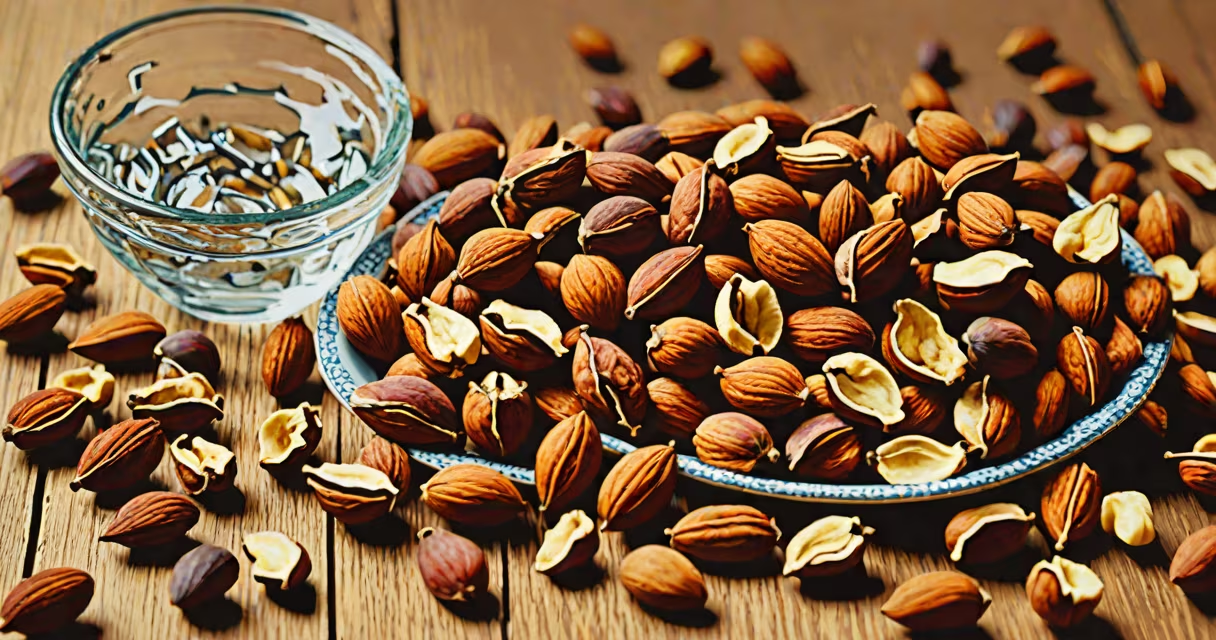
Nuts can cause bloating in some individuals due to their high fiber content and fermentable carbohydrates known as FODMAPs, which gut bacteria break down into gas during digestion.
Fiber-rich foods like nuts slow gastric emptying and increase fermentation in the large intestine. This process produces hydrogen and methane gases, leading to abdominal swelling and discomfort. Not everyone experiences this-sensitivity varies based on gut microbiome composition, portion size, and nut type.
For example, almonds contain about 3.5 grams of fiber per ounce (28 grams), while cashews have 1 gram. Pistachios and walnuts fall between 1 and 2 grams. Consuming more than 10-15 grams of fiber daily from nuts may trigger bloating in sensitive individuals.
Bloating occurs when undigested food reaches the colon and feeds resident bacteria. These microbes ferment short-chain carbohydrates, producing gas that distends the intestinal wall. The resulting pressure causes the sensation of fullness and visible abdominal swelling.
Most tree nuts contain fructans and galacto-oligosaccharides (GOS), both classified as FODMAPs. These compounds are poorly absorbed in the small intestine and rapidly fermented in the large bowel. A 2021 study published in Gut found that participants with irritable bowel syndrome (IBS) experienced higher bloating scores after consuming 30 grams of almonds daily compared to a placebo group.
Roasting reduces moisture content but does not eliminate FODMAPs. Soaking nuts overnight may slightly improve digestibility by reducing phytic acid, though evidence for reduced bloating remains limited. Crushing or blending nuts increases surface area, potentially accelerating fermentation and gas production.
Not all nuts carry equal risk. Some are higher in fermentable carbs than others. The table below compares common nuts based on fiber and FODMAP levels:
| Nut Type | Fiber per Ounce (g) | High FODMAP? | Bloating Risk (Low/Med/High) |
|---|---|---|---|
| Almonds | 3.5 | Yes (fructans) | High |
| Cashews | 1.0 | No | Low |
| Pistachios | 1.6 | Yes (GOS) | Medium-High |
| Walnuts | 1.9 | Yes (fructans) | Medium |
| Peanuts (legume) | 2.4 | Yes (GOS) | Medium |
Almonds consistently rank highest in bloating reports among clinical trials. A 2019 double-blind crossover trial showed that 68% of IBS patients reported increased flatulence and bloating after eating 24 almonds per day for five days.
Some people tolerate roasted nuts better than raw ones. Heat alters protein structure and may reduce enzymatic resistance, allowing partial breakdown in the upper GI tract. However, this effect is modest and doesn't eliminate FODMAPs entirely.
Many assume that all nuts cause bloating equally. That's incorrect. Cashews and macadamias are lower in fermentable carbs and often well-tolerated. Almonds and pistachios are more likely to trigger symptoms due to higher fructan and GOS content.
Another misconception is that "natural" means "safe." Raw, unsalted nuts still contain FODMAPs. Label claims like "no additives" don't reduce fermentable carbohydrate load. Even organic almonds can cause bloating if consumed in excess.
A lesser-known fact: some people develop temporary intolerance after prolonged nut consumption. The gut microbiome adapts slowly. Introducing nuts gradually allows microbial populations to adjust, reducing gas output over time. One patient in my clinic reported reduced bloating after switching from 30 grams of almonds daily to 10 grams over six weeks.
Start with small portions-10-15 grams (about 10 raw almonds or 12 pistachios)-and monitor symptoms over 24 hours. Keep a food diary tracking intake and bloating severity using a scale from 1 (none) to 5 (severe).
If bloating persists, try eliminating nuts for two weeks. Reintroduce them one at a time, waiting 48 hours between tests. This method identifies specific triggers. For example, one participant in a 2022 pilot study found that walnuts caused bloating but almonds did not-individual variation is significant.
Consider soaking nuts for 12 hours before eating. While research on this practice is limited, anecdotal evidence suggests it may reduce phytates and improve digestibility. After soaking, rinse thoroughly and dry at low heat (below 115°F) to preserve enzymes.
For those with diagnosed IBS or SIBO, a low-FODMAP diet is recommended. According to Monash University's FODMAP database, only 10 grams of cashews and 15 grams of macadamias are considered safe per serving. Larger amounts exceed thresholds for symptom provocation.
When symptoms persist despite dietary changes, consult a gastroenterologist. Blood tests for celiac disease or stool analysis for bacterial overgrowth may reveal underlying conditions masked by nut-induced bloating.
For alternatives, try seeds such as chia or flax, which offer similar nutrients with lower FODMAP risk. A 1-tablespoon serving of chia provides 5 grams of fiber but contains negligible fructans.
Understanding your personal tolerance is key. If you're unsure whether nuts make you bloated, test them individually. Track results. Adjust accordingly. There's no universal rule-only individual response.