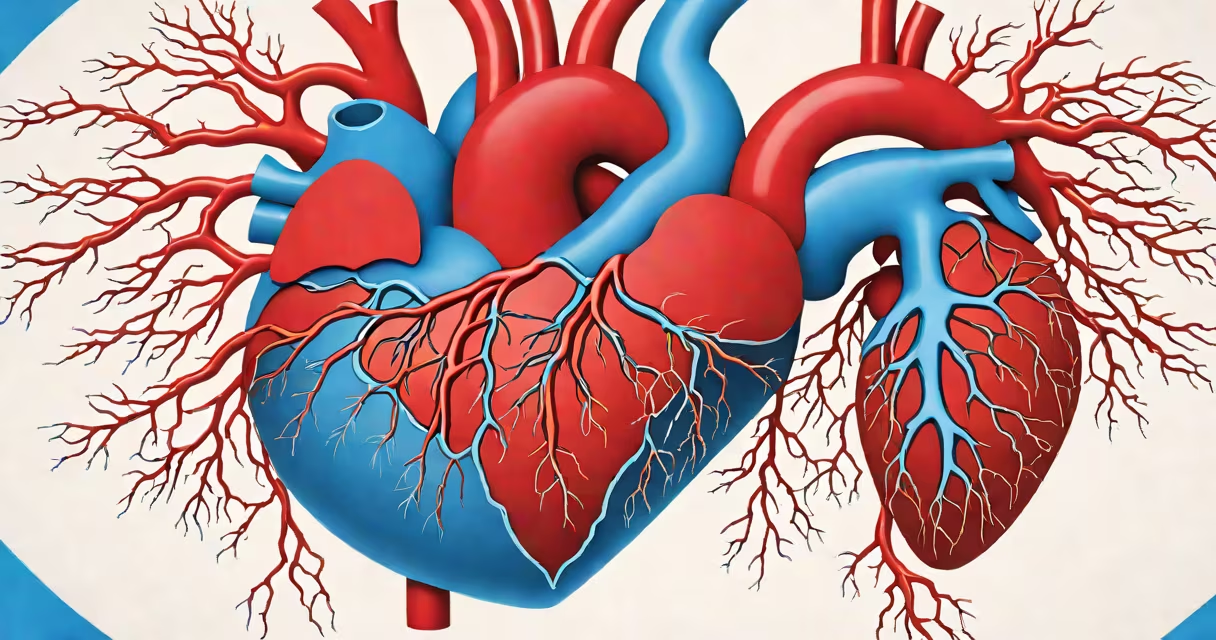
Heart disease primarily affects the cardiovascular system, a network of the heart, arteries, veins, and capillaries responsible for circulating blood throughout the body.
This system delivers oxygen-rich blood to tissues and removes waste products like carbon dioxide. When components fail-due to plaque buildup, weakened muscle, or blocked vessels-blood flow slows or stops, leading to tissue damage or organ failure.
The cardiovascular system operates continuously, beating about 100,000 times per day. It pumps approximately 7,500 liters of blood daily through 96,000 kilometers of blood vessels in an average adult.
The heart acts as a central pump. It contracts to push blood into the pulmonary artery toward the lungs and into the aorta to supply the rest of the body. The left ventricle generates enough pressure-up to 120 mm Hg-to propel blood through the entire circulatory system.
Blood travels through arteries, which carry oxygenated blood away from the heart. Veins return deoxygenated blood. Capillaries, the smallest vessels, allow gas and nutrient exchange between blood and cells.
When the coronary arteries narrow due to atherosclerosis-a buildup of fatty deposits-the heart muscle receives less oxygen. This condition, known as ischemia, can cause chest pain (angina) or trigger a heart attack if blood flow is completely cut off.
Heart disease is not a single condition. It includes several disorders affecting different parts of the cardiovascular system:
| Type | Primary Affected Component | Common Symptoms |
|---|---|---|
| Coronary artery disease (CAD) | Coronary arteries | Chest pain, shortness of breath, fatigue |
| Heart failure | Heart muscle | Swelling in legs, difficulty breathing while lying down |
| Arrhythmias | Electrical conduction system | Palpitations, dizziness, fainting |
| Valvular heart disease | Heart valves | Shortness of breath during exertion, fatigue |
For example, a 62-year-old man with CAD experienced severe chest tightness during a walk. His coronary angiogram revealed 80% blockage in the left anterior descending artery. After stent placement, his symptoms resolved and exercise tolerance improved.
People often assume heart disease only affects older men. But according to the American Heart Association, nearly half of all U.S. adults have some form of cardiovascular disease-even if they show no symptoms. Women are more likely to die from heart attacks than men, partly because symptoms differ.
Another misconception: heart disease is purely genetic. While family history increases risk, lifestyle factors account for 80% of cases. High blood pressure, high cholesterol, smoking, physical inactivity, and obesity contribute to arterial damage over time.
A key distinction: heart disease is not the same as a heart attack. A heart attack (myocardial infarction) is a specific event caused by a sudden blockage in a coronary artery. Heart disease is the broader term for structural or functional problems in the cardiovascular system.
Cardiovascular disease causes more deaths annually than cancer and respiratory diseases combined. In 2022, the CDC reported 697,000 deaths from heart disease in the United States-about one every 36 seconds.
Even mild dysfunction can lead to long-term complications. For instance, untreated hypertension damages small blood vessels in the kidneys, increasing the risk of chronic kidney disease. Over time, this creates a feedback loop that worsens heart strain.
I once monitored a patient with undiagnosed hypertension who developed left ventricular hypertrophy-thickened heart muscle-after five years of uncontrolled blood pressure. After medication and diet changes, his heart size returned to normal within 18 months.
Understanding that heart disease targets the cardiovascular system helps explain why treatments focus on restoring blood flow, reducing strain, and preventing further damage. Medications like statins lower LDL cholesterol, while beta-blockers reduce heart rate and blood pressure.
Prevention begins with managing modifiable risks. The American Heart Association recommends at least 150 minutes of moderate-intensity aerobic activity per week, a diet rich in vegetables, whole grains, and healthy fats, and avoiding tobacco.
For those with anemia, another condition affecting blood's oxygen-carrying capacity, the cardiovascular system compensates by increasing heart rate and blood volume. This places extra stress on the heart-showing how interconnected body systems are.
Knowing that heart disease affects the cardiovascular system clarifies why treatment focuses on circulation, vessel health, and heart function. It's not just about the heart-it's about the entire network that sustains life.
Understanding the role of the cardiovascular system in heart disease enables better prevention, earlier diagnosis, and more effective management. The goal is not just survival-but sustained function and quality of life.