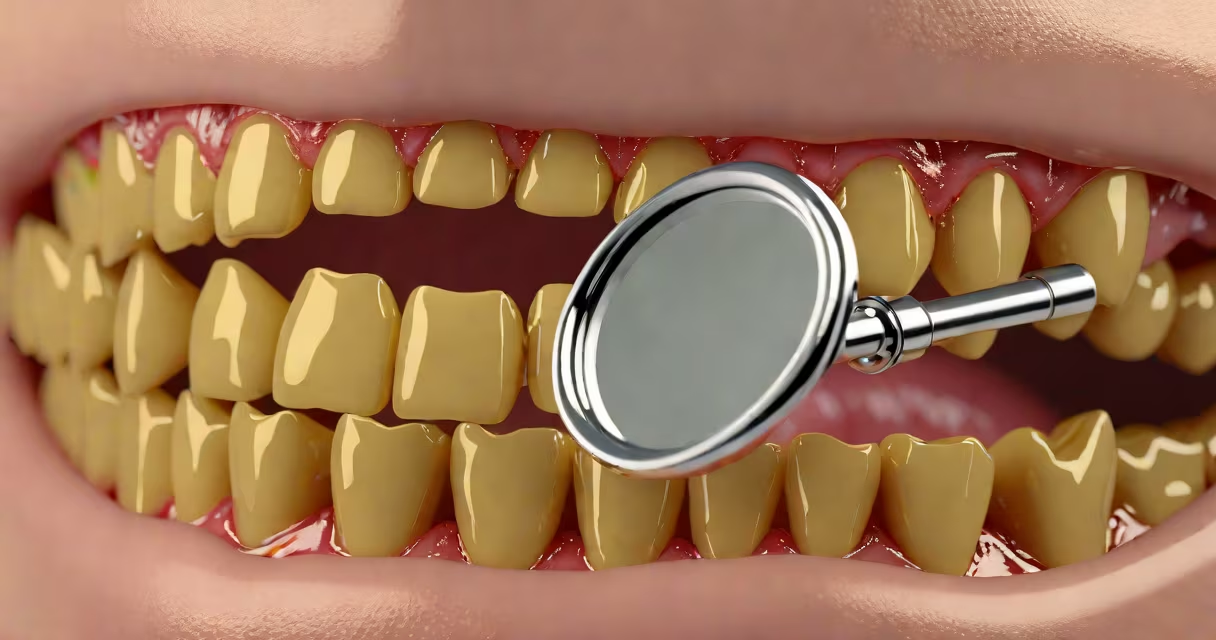
Plaque itself does not produce a noticeable odor, but the bacteria living within it generate volatile sulfur compounds that cause bad breath. The smell arises from microbial activity, not the plaque layer directly.
Plaque is a sticky film of bacteria, food debris, and saliva that accumulates on tooth surfaces within 24 hours of brushing. Left undisturbed, it hardens into tartar, which traps odor-causing microbes. The primary culprits behind the smell are anaerobic bacteria such as Porphyromonas gingivalis and Fusobacterium nucleatum, which thrive in low-oxygen environments beneath the gumline.
A 2021 study published in the Journal of Clinical Periodontology found that individuals with untreated gingivitis had higher levels of hydrogen sulfide and methyl mercaptan-gases responsible for rotten egg and garlic-like breath-compared to those with healthy gums. These gases are metabolic byproducts of plaque-dwelling bacteria.
Bacteria in plaque metabolize proteins and amino acids from food particles and dead cells in the mouth. This process produces volatile sulfur compounds (VSCs), which are the main source of halitosis. The deeper the plaque accumulates below the gumline, the more pronounced the odor becomes.
When plaque builds up along the gumline, it creates pockets where bacteria multiply in oxygen-deprived conditions. These subgingival pockets trap debris and allow anaerobic bacteria to flourish. A 2019 review in the International Journal of Dental Hygiene confirmed that 85% of chronic bad breath cases originate from periodontal disease linked to plaque accumulation.
Even if you brush twice daily, plaque can re-form in 6-8 hours. Without flossing, food particles remain trapped between teeth, feeding bacteria that release odor molecules. This explains why some people still experience persistent bad breath despite good oral hygiene habits.
Not all plaque behaves the same way. Different stages and locations influence how much odor they produce.
| Type | Location | Odor Potential | Removal Difficulty |
|---|---|---|---|
| Supragingival plaque | On visible tooth surfaces above the gumline | Low to moderate; often causes mild bad breath | Removable with brushing and flossing |
| Subgingival plaque | Beneath the gumline in periodontal pockets | High; linked to strong, unpleasant odors | Requires professional cleaning |
| Tartar (calculus) | Hardened plaque on enamel and roots | Very high; harbors dense bacterial colonies | Cannot be removed at home; needs scaling |
Subgingival plaque is the most problematic. Its location limits access to saliva's natural cleansing action and makes it resistant to standard brushing. Once tartar forms, it provides a stable surface for odor-producing bacteria to colonize.
Many assume that plaque smells like rotting food or sour milk. That's incorrect. Plaque doesn't emit a scent until bacteria break down organic material. The resulting odor resembles decayed meat, onions, or sulfur-similar to what you'd expect from a landfill or old garbage.
Another misunderstanding is that mouthwash eliminates bad breath permanently. While mouthwashes reduce bacterial load temporarily, they don't remove plaque. A 2020 clinical trial showed that alcohol-free mouthwashes reduced VSC levels by 40% after 30 seconds-but levels returned to baseline within 4 hours.
Some people believe that if they can't smell their own bad breath, it's not a problem. This is false. The human nose adapts quickly to constant odors-a phenomenon called olfactory fatigue. You may not notice your own breath, but others around you likely do. The American Dental Association reports that 60% of adults have halitosis, yet nearly half are unaware of it.
In 2022, a 34-year-old woman visited a dentist complaining of persistent bad breath despite brushing twice daily. She reported no pain or bleeding. Upon examination, her dentist found heavy subgingival plaque and a 5mm periodontal pocket on tooth #14. Microbial analysis revealed high concentrations of Porphyromonas gingivalis and elevated hydrogen sulfide levels.
After a professional cleaning and scaling, her breath improved. The dentist recommended daily flossing and using a chlorhexidine rinse. Within two weeks, her breath was unnoticeable to others. This case illustrates that plaque-related odor often stems from hidden areas-not visible plaque.
Start with a dental checkup. A hygienist can detect early-stage plaque and measure periodontal pocket depth. If you're unable to see a dentist, use a disclosing tablet. These chewable tablets stain plaque red, making it visible on teeth. They're available over the counter and show exactly where brushing and flossing are missing.
Brush for two minutes twice daily using fluoride toothpaste. Floss at least once a day, especially before bed. Use a tongue scraper to remove bacteria from the back of the tongue. Limit sugary foods and drinks-bacteria feed on sugar to produce odor.
I once tested a disclosing tablet during a dental hygiene workshop. After brushing, I chewed one and saw bright red stains on my molars and near the gumline. The visual evidence shocked me-plaque was hiding in places I thought were clean. That moment changed my routine forever.
Plaque doesn't smell on its own, but the bacteria inside it do. Addressing plaque early prevents both bad breath and long-term damage to teeth and gums. Regular dental visits and daily home care are the only ways to stop odor at the source.