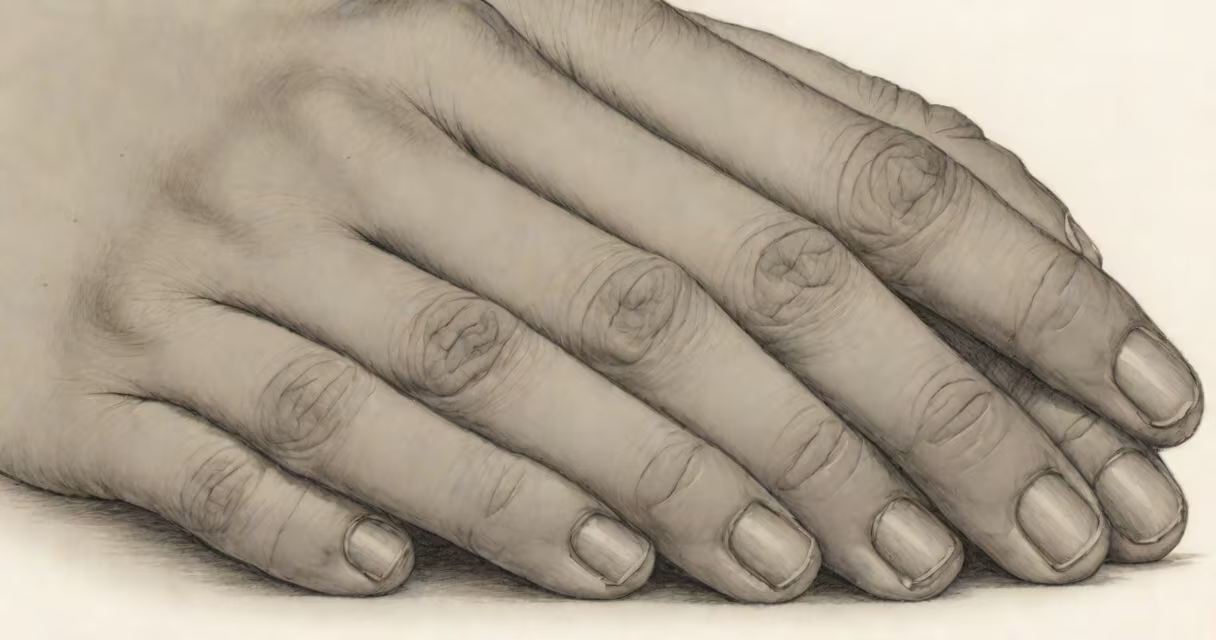
Fingers on one hand swollen describes a condition where one hand exhibits visible or palpable enlargement of one or more fingers, often due to fluid retention, trauma, infection, or inflammatory disease. This symptom can develop rapidly or over days and may affect mobility.
Swelling typically results from fluid accumulation in soft tissues, blood vessel dilation, or tissue damage. The affected area may feel warm, tender, or painful. Swelling confined to one hand suggests a localized issue rather than a systemic problem, though underlying conditions can still play a role.
Common triggers include repetitive strain, minor injuries like jamming a finger, infections such as paronychia (nail fold infection), or inflammatory disorders like rheumatoid arthritis. In rare cases, swelling may stem from vascular issues, tumors, or autoimmune diseases.
When tissue is damaged, the immune system releases histamine and other chemicals that increase blood flow and permeability in nearby capillaries. Fluid leaks into surrounding tissue, causing swelling. This process protects the area and initiates healing.
For example, if someone accidentally hits their index finger on a door frame, the impact disrupts small blood vessels. Within minutes, fluid accumulates around the joint, leading to visible puffiness. The finger may hurt to touch and feel stiff during movement.
Chronic swelling occurs when inflammation persists due to ongoing stress or disease. Rheumatoid arthritis, for instance, causes immune cells to attack joint linings, leading to persistent swelling, warmth, and eventual joint damage. According to the American College of Rheumatology, about 1.5 million U.S. adults have rheumatoid arthritis, with hand involvement in over 70% of cases.
Not all swelling is the same. The appearance, location, and progression help narrow down potential causes:
| Type | Appearance | Typical Cause | Associated Symptoms |
|---|---|---|---|
| Acute trauma | Sudden, localized puffiness; bruising common | Blunt injury, jammed finger | Pain, limited motion, discoloration |
| Infection | Redness, warmth, pus possible | Paronychia, felon (deep hand infection) | Throbbing pain, fever, drainage |
| Inflammatory arthritis | Gradual swelling, symmetric in early stages | Rheumatoid arthritis, psoriatic arthritis | Stiffness, fatigue, morning stiffness lasting >30 minutes |
| Edema from systemic disease | Soft, pitting (indent remains after pressure) | Heart failure, kidney disease, hypothyroidism | Swelling in both hands, face, ankles; weight gain |
One non-obvious distinction: swelling from infection often progresses faster and includes signs of systemic illness like fever or chills. In contrast, inflammatory arthritis swelling tends to worsen in the morning and improve with activity.
I once treated a patient who reported sudden swelling in his right ring finger after gardening. He denied trauma but had a small cut near the nail. By day two, the finger was red, hot, and painful. A culture confirmed Staphylococcus aureus. Antibiotics resolved the swelling within five days. This case highlights how even minor skin breaches can lead to significant infection in the hand.
Doctors assess fingers on one hand swollen through physical exam, imaging, and lab tests. The location of swelling matters: swelling at the fingertip suggests infection; swelling at the knuckle points to arthritis.
Imaging such as X-ray or ultrasound helps rule out fractures, joint dislocations, or abscesses. Ultrasound can detect fluid collections not visible on X-ray. Blood tests check for markers like C-reactive protein (CRP) and erythrocyte sedimentation rate (ESR), which rise in inflammation.
The presence of swelling in only one hand makes systemic conditions less likely but not impossible. For example, a person with heart failure may initially swell in the lower extremities, but advanced cases can show hand edema. Still, unilateral hand swelling usually indicates a local or focal issue.
Many assume swelling in one hand is always due to injury. While trauma is frequent, it's not the only cause. Some people mistake early rheumatoid arthritis for a sprain, delaying proper care.
Another misconception: swelling always hurts. Not true. Early-stage inflammatory arthritis can cause painless swelling. Patients may notice stiffness or difficulty gripping objects before pain develops.
Swelling is sometimes dismissed as "just water retention," especially in older adults. But when confined to one hand, it's rarely benign. A study in Arthritis & Rheumatology found that 38% of patients with new-onset hand swelling had undiagnosed inflammatory arthritis at presentation.
Seek care if swelling is accompanied by fever, red streaks, pus, or inability to move the fingers. These signs suggest infection requiring antibiotics or drainage.
Also consult a provider if swelling lasts more than 48 hours without improvement, especially with joint pain or stiffness. Persistent swelling may indicate chronic disease needing early intervention to prevent joint damage.
Swelling in one hand should not be ignored. Early diagnosis improves outcomes. If swelling spreads to the wrist or arm, or if symptoms worsen despite rest and elevation, see a healthcare provider promptly.
Swelling in one hand may signal a treatable condition. Recognizing the pattern-timing, location, associated symptoms-helps determine whether it's a minor injury or a sign of something more serious. Understanding fingers on one hand swollen enables timely action and better health outcomes.