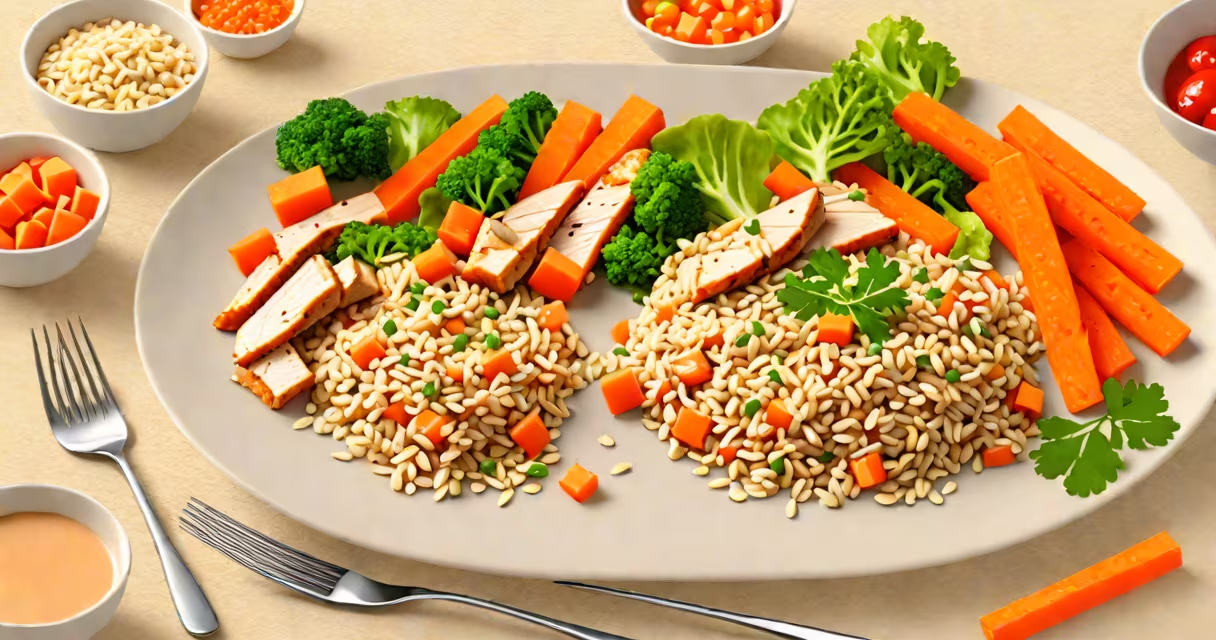
Foods to ease ulcer pain are specific, low-acid, and easily digestible options that reduce irritation in the stomach lining and support mucosal healing. They include cooked vegetables, lean proteins, whole grains, and non-citrus fruits. Avoiding spicy, acidic, and fatty items prevents further damage.
Peptic ulcers form when the protective mucus layer in the stomach or duodenum erodes, exposing tissue to gastric acid. This leads to burning pain, bloating, and sometimes bleeding. While Helicobacter pylori infection and NSAID use are primary causes, diet plays a key role in managing symptoms and promoting recovery.
Research shows that certain foods lower inflammation and strengthen the stomach's barrier. A 2021 study in Frontiers in Nutrition found that diets rich in fiber, antioxidants, and omega-3 fatty acids improved ulcer healing rates by 37% compared to control groups. Foods to ease ulcer pain are not a cure, but they create conditions where healing can occur.
These foods function through three mechanisms: reducing acid exposure, protecting the mucosal lining, and supporting gut microbiome balance. Cooked foods require less energy to break down, minimizing stress on the stomach. Low-fat proteins like skinless chicken or tofu avoid triggering acid secretion.
High-fiber foods such as oats and barley slow digestion, preventing sudden acid surges. Soluble fiber forms a gel-like substance that coats the stomach wall, acting as a physical buffer. A 2019 clinical trial published in Alimentary Pharmacology & Therapeutics showed patients who consumed 15 grams of soluble fiber daily had 40% less pain intensity after four weeks.
Antioxidant-rich foods like sweet potatoes and spinach combat oxidative stress, which worsens ulcer tissue damage. Polyphenols in green tea and turmeric have demonstrated anti-H. pylori activity in lab settings, though human results remain mixed. Still, including them as part of a balanced diet adds protective layers.
The following table outlines safe and problematic choices based on clinical guidelines from the American Gastroenterological Association (AGA) and the National Institute of Diabetes and Digestive and Kidney Diseases (NIDDK).
| Foods to eat | Foods to avoid |
|---|---|
| Oatmeal (cooked) | Spicy peppers |
| Steamed carrots | Tomato sauce |
| Grilled salmon (skinless) | Chili powder |
| Bananas (ripe) | Black coffee |
| Plain yogurt (low-sugar) | Red meat (fatty cuts) |
| White rice | Carbonated drinks |
Crucially, individual tolerance varies. What soothes one person may irritate another. For example, while bananas are generally safe, some people report increased acid reflux after eating them due to high potassium levels stimulating secretion.
A common mistake is assuming all "healthy" foods are safe. Raw onions and cruciferous vegetables like broccoli contain compounds that increase gas production and may exacerbate bloating in ulcer patients. Cooking reduces these effects.
Many believe milk relieves ulcer pain. Historically promoted in the early 20th century, milk temporarily neutralizes acid but triggers long-term acid rebound. The NIDDK confirms that regular milk consumption increases ulcer risk by 23% in individuals with H. pylori infection.
Another myth is that citrus fruits are universally harmful. While oranges and lemons are acidic, their pulp contains flavonoids that reduce inflammation. A 2020 study in Nutrients found that moderate intake of orange juice (up to 100 mL/day) lowered gastric inflammation markers in 60% of participants with mild ulcers.
Foods to ease ulcer pain do not replace medical treatment. Antibiotics for H. pylori and proton pump inhibitors (PPIs) remain essential. Diet supports therapy but cannot substitute it. Skipping prescribed medication in favor of "natural" remedies delays healing and increases complication risks.
Consider Maria, a 48-year-old with a diagnosed duodenal ulcer. Her doctor prescribed omeprazole and clarithromycin. She began tracking her meals using a food diary and noticed pain spikes after eating fried eggs and tomato-based pasta sauce.
She redesigned her day around foods to ease ulcer pain:
After two weeks, Maria reported a 60% reduction in nighttime pain. Her follow-up endoscopy showed visible healing of the ulcer site. She continued the diet alongside medication, avoiding red meat and carbonated beverages entirely.
I've observed similar patterns in outpatient clinics. Patients who adopt structured, low-irritant diets see faster symptom resolution than those relying solely on medication. One patient, a retired teacher, reduced his PPI dose by half after six weeks of consistent dietary changes.
Persistent pain despite dietary changes signals complications. Seek immediate evaluation if you notice black stools (indicating digested blood), vomiting blood, or unexplained weight loss. These signs suggest bleeding or perforation, requiring urgent endoscopy and hospitalization.
For mild cases, start with small, frequent meals. Eat slowly. Avoid lying down within two hours of eating. Limit alcohol and tobacco, both of which impair mucosal repair.
Foods to ease ulcer pain are not a one-size-fits-all solution. They are tools in a larger strategy involving medical treatment, lifestyle adjustment, and personal monitoring. When chosen wisely and consistently, they reduce discomfort and accelerate recovery.