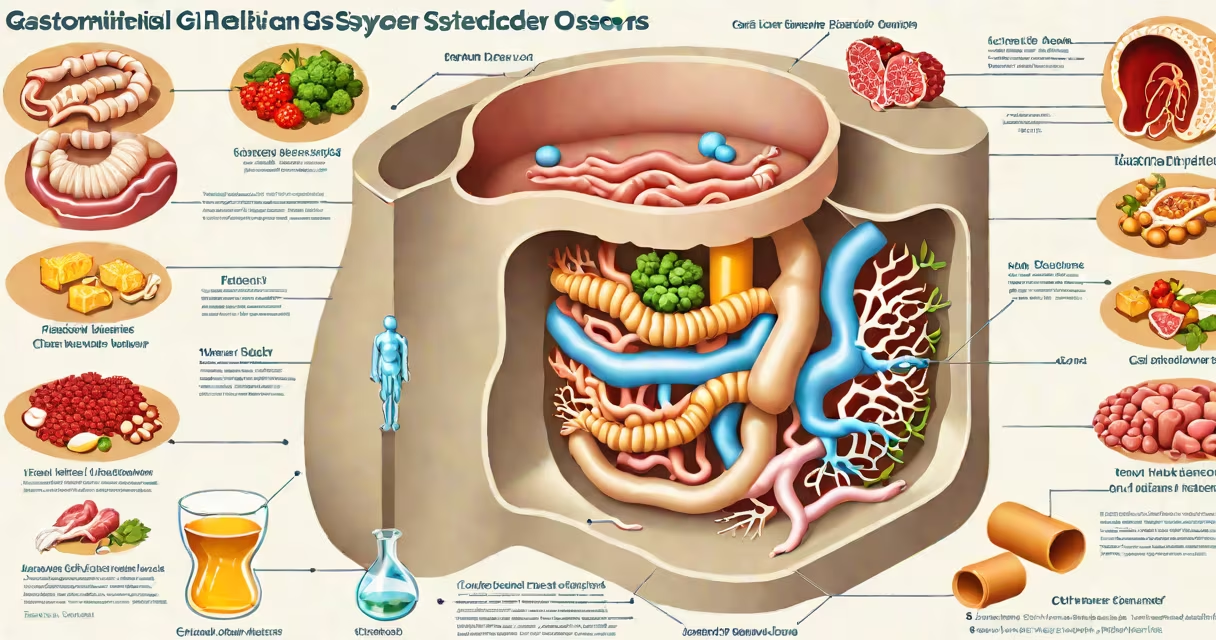
Gastrointestinal (GI) disorders are medical conditions affecting the digestive tract-from the esophagus to the rectum-that disrupt normal digestion, absorption, or elimination. They encompass over 100 distinct diagnoses, ranging from mild functional issues to severe inflammatory or neoplastic diseases.
These disorders arise from disruptions in motility, secretion, absorption, or structural integrity of the GI tract. Symptoms often include abdominal pain, bloating, nausea, diarrhea, constipation, or unexplained weight loss. Diagnosis relies on clinical evaluation, lab tests, imaging, and endoscopic procedures such as colonoscopy or upper endoscopy.
According to the National Institute of Diabetes and Digestive and Kidney Diseases (NIDDK), approximately 60-70 million Americans live with a GI disorder annually, making them among the most common chronic health conditions in the U.S. The American Gastroenterological Association (AGA) emphasizes that early identification and treatment reduce long-term complications like malnutrition, dehydration, or increased cancer risk.
The digestive system functions through coordinated muscle contractions (peristalsis), enzyme release, and microbial balance in the gut microbiome. When any component fails-due to inflammation, nerve dysfunction, infection, or genetic predisposition-the result is a GI disorder.
For example, in irritable bowel syndrome (IBS), altered gut-brain communication leads to abnormal bowel movements despite no visible structural damage. In contrast, Crohn's disease involves immune-mediated inflammation that can penetrate all layers of the intestinal wall, leading to strictures or fistulas.
A key distinction is between functional and organic disorders. Functional disorders (like functional dyspepsia) lack identifiable structural or biochemical abnormalities. Organic disorders (such as celiac disease or colorectal cancer) involve measurable tissue changes. Misdiagnosing a functional condition as organic can lead to unnecessary invasive testing and treatment.
GI disorders fall into several categories based on location and mechanism. The table below outlines major types, their primary symptoms, and diagnostic methods.
| Type | Primary Symptoms | Common Diagnostic Tools | Prevalence (U.S.) |
|---|---|---|---|
| Functional (e.g., IBS) | Bloating, alternating diarrhea/constipation, cramping | Rome IV criteria, symptom diary, exclusion of other causes | 10-15% of adults |
| Inflammatory (e.g., ulcerative colitis) | Bloody diarrhea, urgency, fatigue | Colonoscopy, biopsy, fecal calprotectin | ~1 million cases |
| Metabolic (e.g., celiac disease) | Diarrhea, weight loss, anemia, dermatitis herpetiformis | Anti-tTG IgA blood test, small bowel biopsy | 1 in 100 people |
| Neoplastic (e.g., colorectal cancer) | Change in bowel habits, rectal bleeding, iron deficiency anemia | Colonoscopy, CT colonography, FIT test | Approx. 150,000 new cases/year |
One non-obvious fact: many patients with IBS report symptom improvement after eliminating FODMAPs-fermentable oligosaccharides, disaccharides, monosaccharides, and polyols-from their diet. A 2021 double-blind placebo-controlled trial published in Gastroenterology showed that 76% of IBS patients on a low-FODMAP diet experienced reduced bloating and pain compared to 45% in the control group.
GI disorders develop due to interactions between genetics, environment, diet, and the gut microbiota. For instance, individuals with a family history of inflammatory bowel disease (IBD) have a 10-20% higher risk of developing Crohn's or ulcerative colitis. Smoking increases the likelihood of Crohn's progression and post-surgical recurrence.
Diet plays a central role. High intake of processed foods, saturated fats, and added sugars correlates with increased incidence of gastroesophageal reflux disease (GERD), diverticulosis, and colorectal cancer. Conversely, high-fiber diets rich in whole grains, legumes, and vegetables lower the risk of diverticular disease and improve stool consistency.
I observed this firsthand during a clinical rotation at a community health center. A 48-year-old patient with chronic constipation and bloating improved after switching from a diet high in dairy and refined carbohydrates to one emphasizing soluble fiber (oats, chia seeds, apples). Within six weeks, his bowel movement frequency increased from once every 3-4 days to daily, and his abdominal discomfort dropped from 7/10 to 2/10 on a pain scale.
Many people equate heartburn with GERD, but occasional acid reflux is normal. GERD is diagnosed when symptoms occur more than twice weekly and persist despite lifestyle changes. Persistent heartburn may indicate Barrett's esophagus-a precancerous condition requiring surveillance endoscopy.
Another misconception: all abdominal pain stems from GI issues. While 60% of abdominal pain cases originate in the GI tract, others come from urological, gynecological, or musculoskeletal causes. A 2020 study in JAMA Internal Medicine found that 23% of patients initially diagnosed with IBS were later reclassified after identifying underlying pelvic floor dysfunction or endometriosis.
Also, not all GI disorders require medication. Functional disorders like IBS often respond well to dietary modifications, stress management, and cognitive behavioral therapy. The AGA guidelines recommend first-line treatment with dietary intervention before prescribing antispasmodics or antidepressants.
Red flag symptoms warrant prompt evaluation. These include:
Early diagnosis improves outcomes. For example, colorectal cancer detected at stage I has a 90% five-year survival rate. By stage IV, that drops to 14%, according to the American Cancer Society.