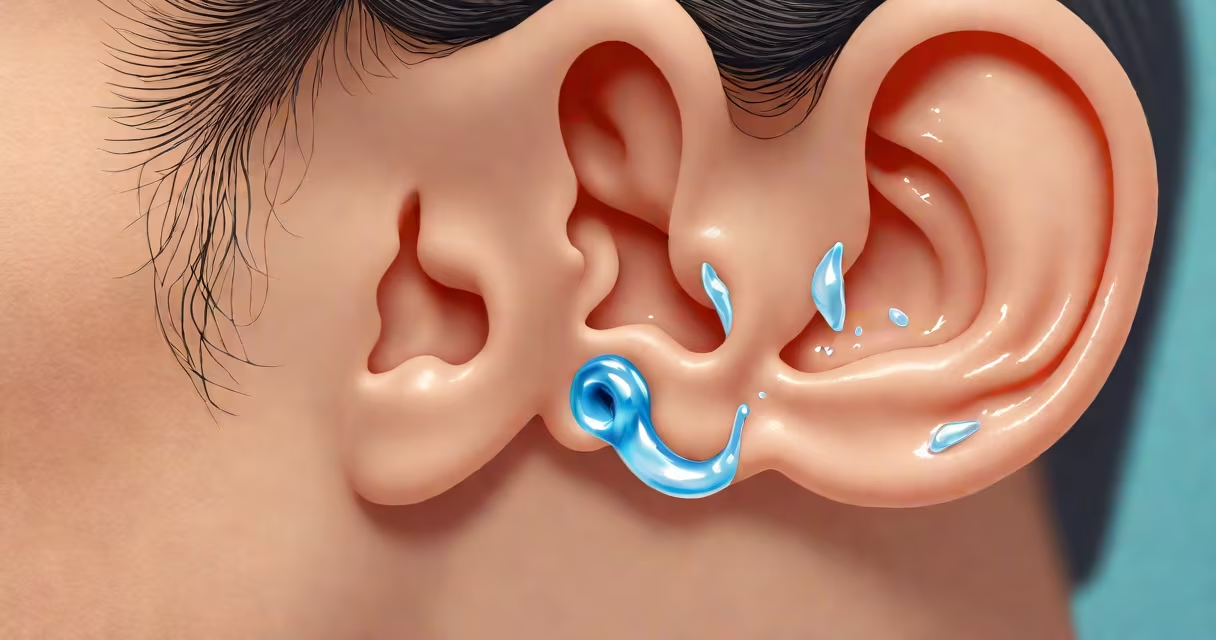
Fluid accumulates in the middle ear when the Eustachian tube fails to drain fluid properly, leading to pressure, discomfort, and temporary hearing loss. This condition, known as middle ear effusion, commonly follows colds, allergies, or infections.
The Eustachian tube connects the middle ear to the back of the nose and throat. Its primary job is to equalize pressure and drain fluid. When inflamed or blocked-often due to swelling from a viral upper respiratory infection-fluid cannot exit, and air cannot enter. The result is a buildup of fluid behind the eardrum.
Children are especially prone to this issue because their Eustachian tubes are shorter, more horizontal, and less efficient at draining. In adults, chronic sinus issues or frequent ear infections increase risk. The fluid may be clear, cloudy, or even bloody in rare cases.
Fluid doesn't "enter" the ear like water poured into a cup. Instead, it forms through a process called transudation. When the Eustachian tube is blocked, the air in the middle ear gets absorbed by surrounding tissues. This creates negative pressure, pulling fluid from nearby blood vessels into the space behind the eardrum.
During a cold or upper respiratory infection, inflammation causes the lining of the Eustachian tube to swell. This blocks normal drainage. In some cases, bacteria or viruses invade the middle ear, causing acute otitis media-a type of ear infection marked by pus-like fluid and severe pain.
A 2021 study published in Frontiers in Pediatrics found that 75% of children diagnosed with acute otitis media had fluid buildup confirmed via tympanometry, a test measuring eardrum movement. This shows that fluid accumulation is a core feature of many ear infections, not a side effect.
Not all fluid in the ear comes from the same source. The type determines treatment and prognosis.
| Type | Origin | Common Cause | Duration |
|---|---|---|---|
| Clear serous fluid | Transudation from blood vessels | Cold, allergy, Eustachian tube dysfunction | Days to weeks |
| Cloudy or yellow fluid | Infected mucus or pus | Bacterial or viral infection | Up to 6 weeks |
| Bloody or pink fluid | Minor trauma or rupture | Inserting cotton swabs, sudden pressure changes | Short-term, resolves quickly |
Clear fluid is most common and usually resolves on its own. Cloudy fluid signals infection and may require antibiotics. Bloody fluid is rare but warrants evaluation if persistent.
One non-obvious fact: fluid can accumulate without pain. A 2019 study in The Laryngoscope showed that 40% of patients with middle ear effusion reported no pain, only mild hearing difficulty. This means symptoms can be subtle, especially in young children who can't verbalize discomfort.
Many people assume fluid in the ear means an infection. That's not always true. Fluid can form due to Eustachian tube dysfunction alone-without bacteria or viruses. This is called serous otitis media and does not require antibiotics.
Another misconception: fluid drains out on its own. While many cases resolve within 3-6 weeks, some persist longer. Chronic effusion lasting more than three months is classified as otitis media with effusion (OME), which can affect speech development in children.
Some believe earwax is the cause. But earwax is produced in the outer ear canal, not the middle ear. Fluid behind the eardrum is separate from wax buildup. If you suspect wax, look for black or brown debris in the ear canal-not a feeling of fullness or muffled hearing.
In 2022, a 4-year-old boy presented with a 6-week history of muffled hearing and occasional tugging at his ears. He had a cold two months prior. Otoscopy revealed a dull, immobile eardrum. Tympanometry confirmed a flat curve-indicating fluid behind the eardrum.
He was diagnosed with OME. No antibiotics were prescribed. After six weeks of observation, the fluid resolved spontaneously. His hearing returned to normal. This case illustrates that fluid in the ear doesn't always require medication.
By contrast, a 32-year-old woman with sudden ear pain, fever, and discharge developed acute otitis media. Her fluid was yellow and thick. She received amoxicillin and improved within 48 hours. This shows that fluid type matters for treatment decisions.
See a doctor if fluid persists beyond three weeks, causes significant hearing loss, or leads to balance problems. Pain, fever, or drainage from the ear are red flags.
Most cases of fluid in the ear resolve without intervention. But when symptoms linger or interfere with daily life, timely care prevents complications like permanent hearing loss or structural damage to the eardrum.
Understanding how fluid gets in your ear begins with recognizing the role of the Eustachian tube. When it fails, fluid accumulates. Knowing the difference between types helps avoid unnecessary treatments. Always consult a healthcare provider for persistent or painful fluid in your ear.