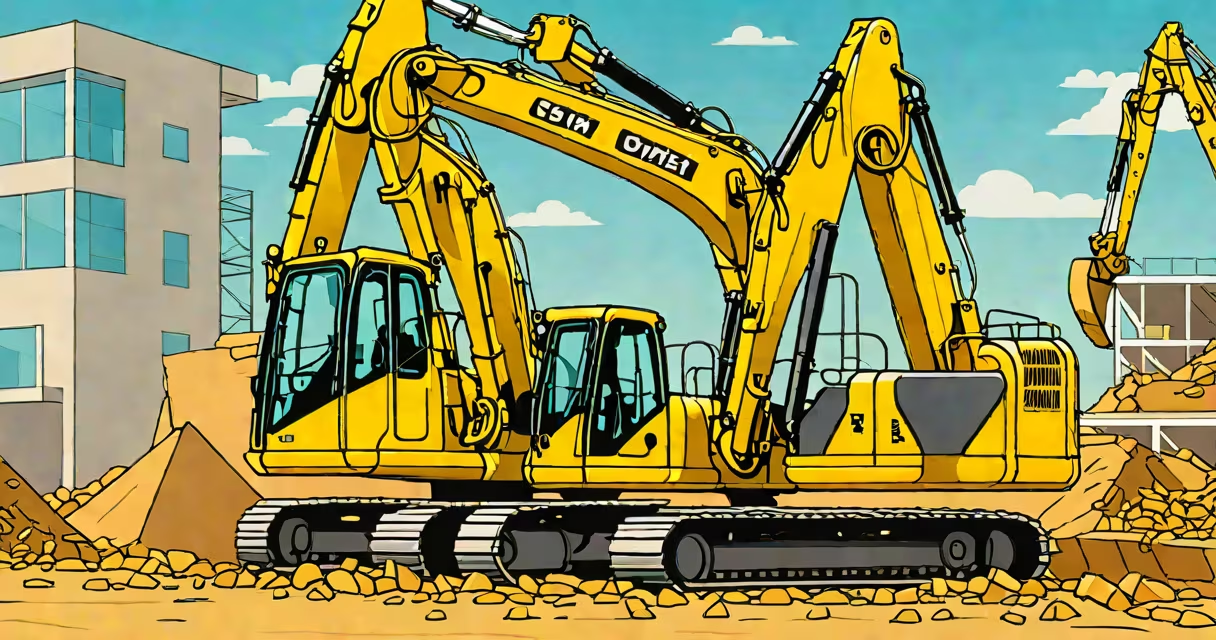
Construction equipment rental is the practice of temporarily leasing heavy machinery and tools-such as excavators, bulldozers, cranes, and concrete mixers-for use on job sites. This model allows contractors and project managers to access high-cost equipment without upfront purchase, maintenance, or storage responsibilities.
Rental services operate on short-term contracts, typically ranging from a single day to several months. The equipment is delivered to the job site, maintained by the rental provider, and returned after use. Rental companies handle repairs, fuel logistics, and compliance checks, reducing operational risk for users.
According to the Equipment Leasing and Finance Association (ELFA), nearly 60% of U.S. construction firms use equipment rental services annually. The global construction equipment rental market was valued at $74.8 billion in 2023 and is projected to grow at a 5.2% CAGR through 2030, driven by rising infrastructure investment and labor shortages.
Rental providers maintain fleets of machines certified for safety and performance. Users select equipment based on project requirements-size, power, terrain compatibility-and book via online platforms, phone, or in-person visits. A deposit is often required, and rates are calculated per hour, day, week, or month.
For example, a contractor needing a 30-ton hydraulic excavator for a 10-day foundation dig in suburban Chicago might pay $1,200 per day. That totals $12,000 for the rental period. The provider delivers the machine, supplies operator training materials, and offers technical support during the rental window.
After the project ends, the equipment is picked up, inspected for damage, and returned. Most rental agreements include liability coverage and require operators to hold valid certifications. Failure to follow safety protocols can result in penalties or equipment replacement fees.
Equipment is categorized by function. Common categories include earthmoving, lifting, material handling, and finishing tools. Each serves a specific role in construction timelines and budgets.
| Type | Examples | Typical Use Cases | Daily Rate Range (U.S.) |
|---|---|---|---|
| Earthmoving | Excavators, bulldozers, graders | Site clearing, trench digging, grading | $800-$2,500 |
| Lifting & Handling | Cranes, forklifts, scissor lifts | Steel beam placement, material transport | $600-$3,000 |
| Material Processing | Concrete mixers, asphalt pavers | Pouring foundations, paving roads | $400-$1,800 |
| Finishing & Detail Work | Power drills, nail guns, sanders | Interior framing, drywall installation | $50-$200 |
Some machines, like compact track loaders, serve multiple roles. A 2,000-pound loader can move dirt, carry debris, and assist in trench work. These multi-use tools increase efficiency and reduce the need for multiple rentals.
Non-obvious fact: Many rental companies offer "rent-to-own" options. After a set number of rental days, the user can apply the paid rental fees toward a purchase. This path reduces long-term costs for businesses planning to expand their fleet.
Construction equipment rental is standard in commercial, residential, and infrastructure projects. It's especially important for short-duration tasks such as utility installations, road resurfacing, or emergency repairs.
Contractors avoid capital expenditure by renting. Purchasing a new excavator costs $150,000-$300,000. Renting the same machine for 30 days costs roughly $36,000. The savings fund other project elements like labor or permits.
A real-world example: A city in Texas needed to replace 1.2 miles of storm sewer lines within 45 days. The public works team rented six mini-excavators and two trenchers. Total rental cost: $48,000. Without rental, they'd have spent $1.2 million on purchases and storage. The project finished on time and under budget.
Common confusion: People often mistake rental for leasing. Rental is short-term, typically less than 12 months. Leasing involves longer commitments (12-60 months) and may include ownership transfer. Equipment leasing is more common in corporate fleets; rental suits one-off jobs.
Not all rental providers offer equal service. Some charge hidden fees for delivery, fuel, or extended hours. Always confirm the full price before signing.
I once oversaw a small renovation project where we assumed the rental fee included fuel. The invoice arrived with an extra $380 for diesel. We learned to clarify fuel policies upfront-most reputable providers specify whether fuel is included or billed separately.
Another issue: mismatched equipment size. A contractor once rented a 15-ton excavator for a narrow alleyway. The machine couldn't turn safely, causing delays and minor property damage. The solution? Use smaller, tracked models designed for tight spaces.
Always verify that the equipment meets OSHA standards and that the operator is trained. In 2022, OSHA reported 34 fatalities involving construction equipment-many linked to improper use or untrained personnel. Rental providers must supply safety documentation upon request.
When choosing a provider, compare warranties, availability, and customer reviews. Large national chains like Sunbelt Rentals and United Rentals offer nationwide coverage. Local dealers may provide faster response times and lower rates for regional jobs.
Construction equipment rental is not just about saving money-it's about matching the right tool to the job. Using the wrong machine leads to inefficiency, safety risks, and schedule delays. Proper planning helps rental decisions align with project scope, timeline, and budget.
Understanding how construction equipment rental functions helps contractors make smarter choices. Whether it's a single-day dig or a multi-phase build, rental access enables flexibility, scalability, and financial control. For many projects, it's the most practical way to get the right tools at the right time.