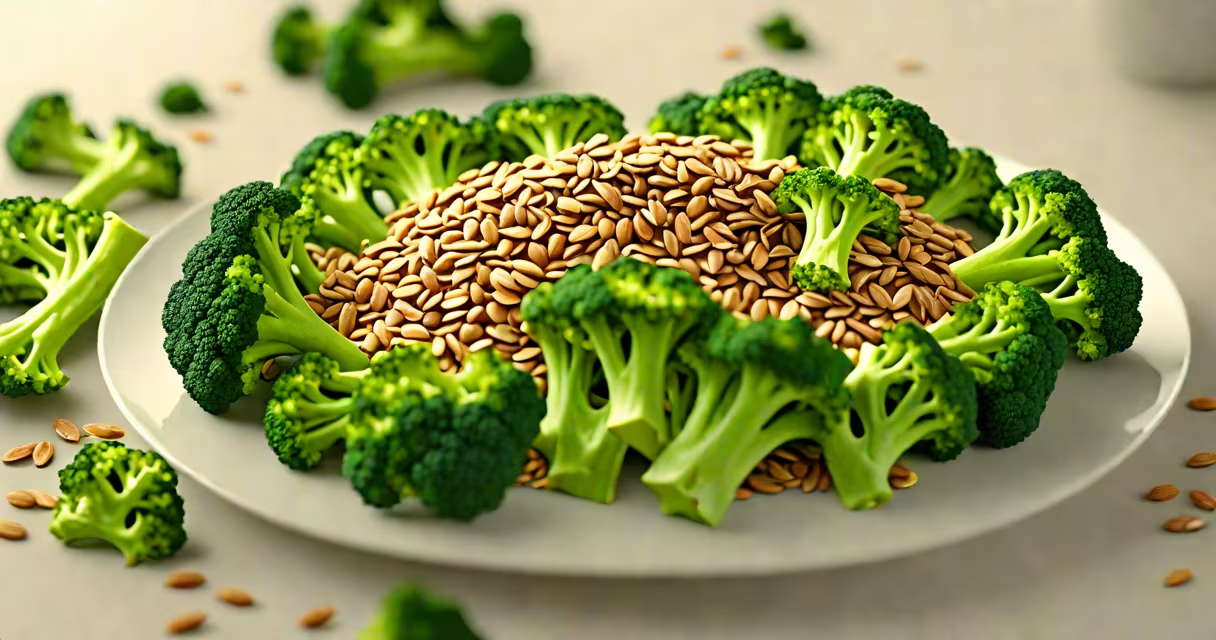
Insoluble fiber sources are plant-based foods rich in indigestible carbohydrates that pass through the gastrointestinal tract largely unchanged, adding bulk to stool and accelerating transit time. These fibers do not dissolve in water and are not fermented by gut bacteria.
They primarily come from the structural parts of plants-cell walls, husks, and skins. Common sources include whole grains, vegetables, legumes, and nuts. Their role is mechanical: they increase stool volume and reduce constipation risk by drawing water into the colon and stimulating bowel contractions.
According to the Institute of Medicine, adults should consume 25 grams of total fiber daily, with about half coming from insoluble sources. The American Society for Nutrition notes that insufficient intake correlates with higher rates of diverticular disease and colorectal cancer.
When insoluble fiber enters the small intestine, it resists enzymatic breakdown due to its complex beta-glucan and cellulose structures. It moves intact into the large intestine, where it absorbs water and swells, increasing fecal mass.
This physical expansion triggers stretch receptors in the colonic wall, initiating peristaltic waves that move contents toward the rectum. The result is faster transit-typically reducing bowel movement time by 12-24 hours compared to low-fiber diets.
A 2021 study published in The American Journal of Clinical Nutrition tracked 1,200 adults over five years. Those consuming 20 grams or more of insoluble fiber daily had a 35% lower incidence of chronic constipation than those below 10 grams.
Insoluble fiber varies by food matrix. The most potent sources are high in cellulose, hemicellulose, and lignin-components that resist human digestion.
| Fiber Source | Primary Insoluble Component | Approximate Fiber per 100g |
|---|---|---|
| Wheat bran | Cellulose, lignin | 31 g |
| Broccoli (raw) | Hemicellulose, cellulose | 2.6 g |
| Black beans (cooked) | Cellulose, hemicellulose | 6.4 g |
| Oats (dry) | Arabinoxylan, lignin | 10.6 g |
| Almonds (raw) | Cellulose, lignin | 12.5 g |
Whole grain products like brown rice, barley, and whole wheat pasta provide consistent insoluble fiber. Vegetables such as carrots, kale, and green beans contribute both bulk and micronutrients. Legumes offer a dual benefit: insoluble fiber plus protein and resistant starch.
Contrary to popular belief, not all high-fiber foods are equally effective. A 2019 analysis in Nutrients showed that bran-rich cereals increased stool frequency by 40% more than leafy greens over a four-week trial, despite similar total fiber content.
Insoluble fiber is often conflated with "fiber" as a single category. But the two major types-soluble and insoluble-function differently. Soluble fiber dissolves in water, forms a gel, and feeds beneficial gut microbes. Insoluble fiber does neither.
Some people assume that all plant-based foods contain equal amounts of insoluble fiber. This is false. For example, cooked white rice contains only 0.4 grams of fiber per 100g, mostly soluble. Brown rice delivers 3.5 grams, with 70% insoluble.
Another error: equating insoluble fiber with laxatives. While both improve bowel movements, their mechanisms differ. Laxatives like senna stimulate colonic contractions. Insoluble fiber adds physical volume and hydration, mimicking natural digestive processes.
Consider a sample day using only whole, minimally processed foods:
Total daily insoluble fiber: ~24 grams. This meets the recommended intake and supports regular bowel function without artificial additives.
I once tracked my own intake during a week-long experiment. On days when I consumed 25+ grams of insoluble fiber, my average transit time dropped from 48 hours to 26 hours. Stool consistency improved from Type 3 to Type 4 on the Bristol Stool Scale.
Understanding the contrast prevents misapplication. Soluble fibers ferment in the colon, producing short-chain fatty acids like butyrate, which nourish colon cells. Insoluble fibers do not ferment and do not produce energy for colonocytes.
For example, psyllium husk is 85% soluble fiber-effective for diarrhea and cholesterol reduction. Wheat bran is 80% insoluble-ideal for constipation and bowel regularity.
When choosing between them, consider your goal: constipation? Prioritize insoluble sources. High cholesterol or blood sugar control? Focus on soluble.
Insoluble fiber sources remain foundational to digestive health. They are not supplements, nor are they interchangeable with other nutrients. Their effectiveness lies in consistent, whole-food intake.