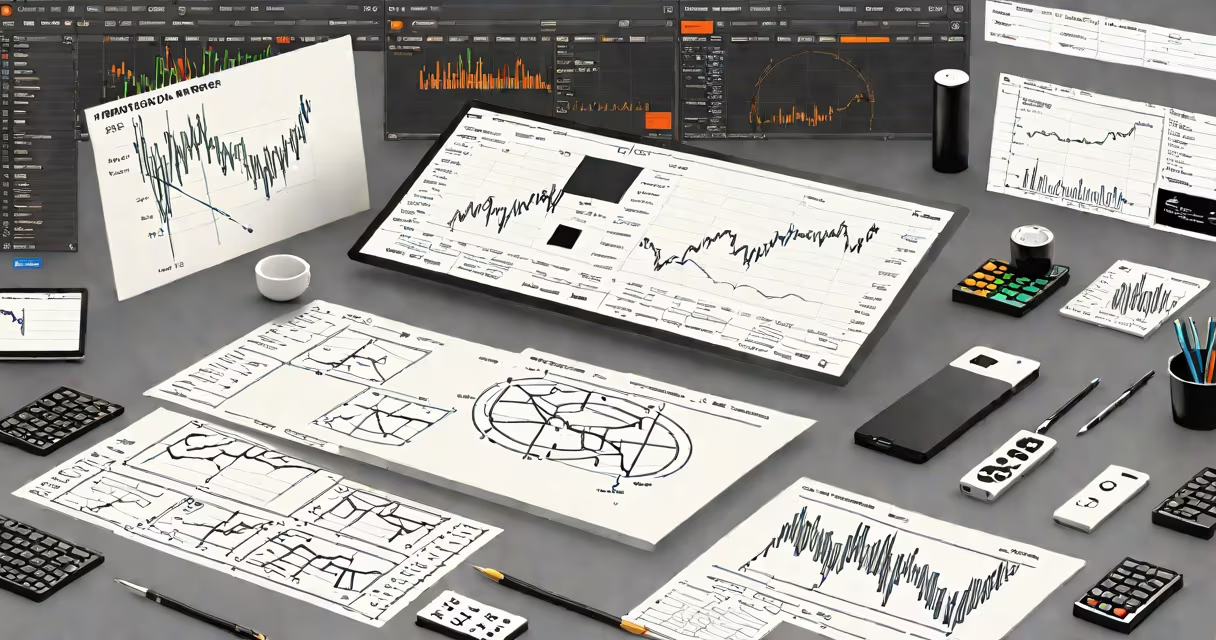
Ninja Trader is not a broker. It is a trading platform used to access financial markets through third-party brokers. Users connect Ninja Trader to a broker via a direct market access (DMA) connection, enabling trade execution, charting, and strategy automation.
The confusion arises because Ninja Trader offers advanced tools typically associated with brokerage services-real-time data feeds, algorithmic trading, and customizable interfaces. However, it does not hold client funds, provide margin accounts, or execute trades directly. Instead, it acts as a bridge between traders and regulated brokerages.
For example, a trader using Ninja Trader might connect to Interactive Brokers or Tradier through a gateway. The platform displays price action, allows placing orders, and runs automated strategies-but the actual trade execution happens through the connected broker. This distinction is critical: Ninja Trader enables trading, but it doesn't broker it.
Ninja Trader operates as a desktop application that integrates with external data providers and brokers. It uses Application Programming Interfaces (APIs) to send and receive trade orders, stream market data, and manage positions. Traders configure their preferred broker connection through a setup wizard, which requires authentication tokens and API keys.
Once configured, users can build custom scripts using NinjaScript-a proprietary scripting language-to automate trading strategies. These scripts can analyze price patterns, trigger buy/sell signals, and place orders based on predefined conditions. For instance, a user might write a script that buys gold futures when the 5-minute moving average crosses above the 10-minute average, then executes the trade via the connected broker.
Execution speed is a key feature. Because Ninja Trader connects directly to liquidity providers through DMA, trades can be filled in milliseconds. This matters most in high-frequency environments such as futures or forex trading, where timing affects profitability.
The core components of Ninja Trader include:
These elements run locally on the user's machine. The software does not store personal data or account balances. All sensitive operations-account login, order submission, balance checks-are handled by the connected broker's servers.
Understanding the difference between platforms and brokers is essential. A broker facilitates access to financial markets, holds assets, and processes trades. A platform provides tools to analyze and execute trades.
| Feature | Ninja Trader (Platform) | Broker (e.g., Interactive Brokers) |
|---|---|---|
| Trade execution | Relays orders to broker | Executes trades directly |
| Funds custody | No | Yes |
| Account management | View-only via API | Full control |
| Regulatory oversight | None (platform) | SEC, FINRA, FCA, etc. |
| Automated trading | Supported (via NinjaScript) | Available, but limited to broker APIs |
For example, a trader using Ninja Trader with Interactive Brokers can run a strategy that sells S&P 500 futures when volatility spikes. The platform sends the sell order to IB's system, which confirms the fill and updates the account balance. The trader sees the result in Ninja Trader, but the broker maintains ownership of the transaction record.
Many users assume Ninja Trader is a broker because it supports live trading, offers commission calculators, and includes features like position tracking and risk management. But these tools don't make it a broker-they make it a useful trading interface.
A key correction: Ninja Trader does not offer margin lending or cash accounts. It cannot issue statements or handle tax reporting. These responsibilities fall entirely on the connected broker. If a user loses money due to a failed trade, the broker-not Ninja Trader-is liable under regulatory frameworks.
Another misconception is that Ninja Trader is free. While the base version is available at no cost, advanced features require paid subscriptions. The Pro version costs $299/year and includes priority support, enhanced data feeds, and access to premium strategy templates. This pricing model reflects its role as a software product, not a financial service provider.
Consider a day trader who wants to trade NASDAQ futures. They install Ninja Trader, set up a connection to a broker like Rithmic, and log in using API credentials. They load a custom strategy that triggers a long position when the 15-minute RSI drops below 30 and price breaks above the previous day's high.
When conditions are met, Ninja Trader sends the order to Rithmic's exchange gateway. The trade executes in 120 milliseconds. The platform updates the chart with the filled order, logs the trade in a journal, and adjusts the portfolio value. The trader receives a notification via email, but the entire process occurs through the broker's infrastructure.
This workflow shows that Ninja Trader is a tool, not a service provider. It enhances control and speed-but the legal and financial responsibility remains with the broker.
I tested Ninja Trader with a simulated account linked to a paper trading environment at Tradier. Over two weeks, I ran a momentum-based strategy on SPY options. The platform displayed accurate fills, consistent latency, and reliable error logging. When I accidentally submitted a duplicate order, the system flagged it instantly. But when I checked my account balance, it matched Tradier's records exactly-proving the platform didn't alter or store data.
Ninja Trader is not a broker. It is a professional-grade trading platform designed for active traders and algorithm developers. It connects to brokers like Interactive Brokers, Tradier, and Rithmic to enable direct market access. The platform handles analysis, strategy execution, and trade monitoring-but never custody funds or take on counterparty risk.