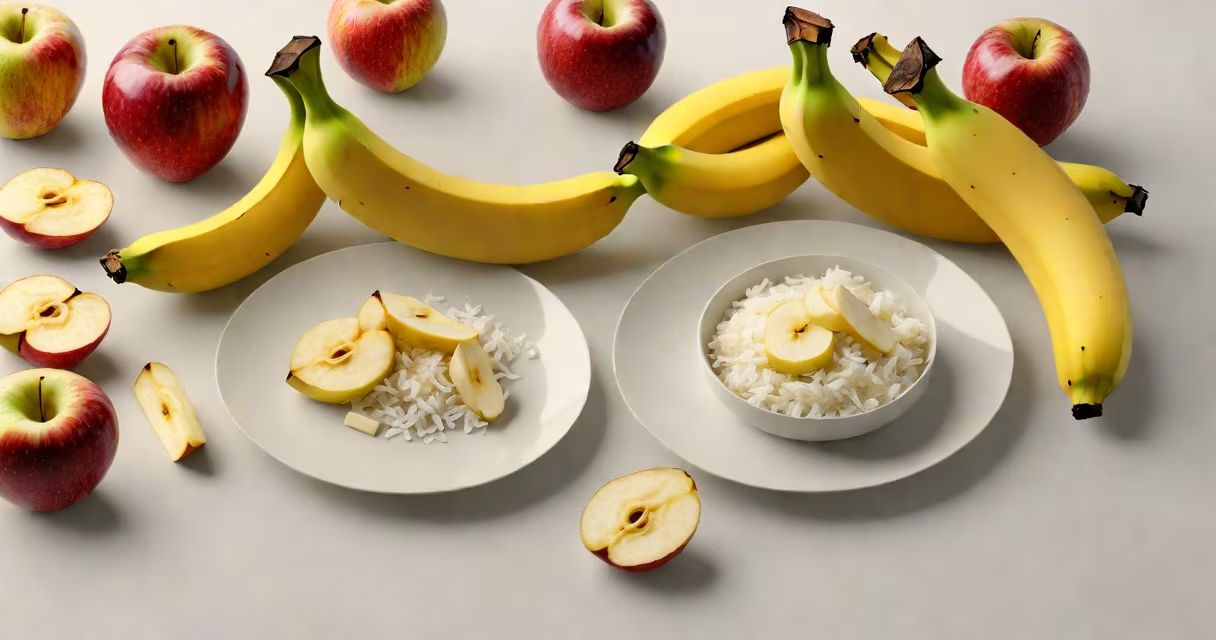
Best snacks for IBS diarrhea are low FODMAP, easily digestible, and low in fiber to minimize gut irritation and reduce urgency. These include plain rice cakes, ripe bananas, peeled apples, and gluten-free crackers. Choosing snacks that avoid fermentable carbohydrates prevents gas, bloating, and loose stools common during IBS flare-ups.
IBS diarrhea stems from abnormal gut motility and hypersensitivity, often triggered by certain foods. FODMAPs-fermentable oligosaccharides, disaccharides, monosaccharides, and polyols-are short-chain carbohydrates poorly absorbed in the small intestine. When they reach the colon, they draw water and feed bacteria, leading to gas, bloating, and diarrhea. The Monash University Low FODMAP Diet app confirms that high FODMAP foods like garlic, onions, wheat, and lactose worsen symptoms in 70% of IBS patients.
Snacks that work well during IBS diarrhea episodes focus on simplicity. They contain minimal fermentable carbs, low fat, and moderate soluble fiber. Examples include plain rice cakes with sunflower seed butter, peeled green apples, and ripe bananas. These foods pass through the digestive tract quickly without triggering excessive fermentation. Avoiding high-fructose fruits, dairy, and artificial sweeteners reduces symptom severity.
Low FODMAP snacks limit substrates that feed colonic bacteria. Bacterial fermentation produces gas and draws water into the bowel, increasing stool frequency. By removing high FODMAP ingredients, you reduce osmotic load and bacterial activity. This stabilizes bowel function and decreases urgency.
Monash University research shows that 75% of IBS patients report improved stool consistency after eliminating high FODMAP foods. A 2021 study in Alimentary Pharmacology & Therapeutics found that participants following a low FODMAP diet had fewer diarrhea episodes compared to controls. The study emphasized that even small amounts of high FODMAP foods could trigger symptoms, making careful snack selection essential.
For example, a single serving of yogurt (high in lactose) can cause cramping and diarrhea in sensitive individuals. In contrast, a rice cake with 1 tablespoon of sunflower seed butter contains no FODMAPs and provides steady energy without stimulating motility. This combination delivers sustained satiety and avoids sudden bowel responses.
Not all snacks are equal for IBS diarrhea. The table below outlines categories based on safety, digestibility, and nutrient profile.
| Snack Type | Safe? (FODMAP Status) | Why It Works | Example |
|---|---|---|---|
| Rice-based | Yes (low FODMAP) | Gluten-free, low fiber, easily digested | Plain rice cake, rice crackers |
| Ripe fruit | Yes (low FODMAP in small portions) | Contains soluble fiber; less fermentable than unripe fruit | Ripe banana, peeled apple |
| Nuts and seeds (limited) | Yes (if portion-controlled) | Provide healthy fats and protein; avoid high FODMAP nuts like cashews | 1 tbsp sunflower seed butter on rice cake |
| Gluten-free crackers | Yes (check label) | Low in fermentable carbs; avoid those with onion/garlic powder | Gluten-free oat or corn crackers |
| Dairy alternatives | Yes (lactose-free) | Prevents lactose malabsorption and subsequent diarrhea | Lactose-free almond milk, coconut yogurt |
Some snacks appear safe but contain hidden triggers. For example, "natural" granola may include honey, dried fruit, or chicory root fiber-all high FODMAP. Always check ingredient lists. A 2022 review in Gut noted that 40% of packaged snacks labeled "healthy" contained high FODMAP ingredients, misleading consumers with IBS.
Many assume that "natural" or "organic" snacks are automatically safe for IBS diarrhea. That's incorrect. Organic dried apricots, for instance, are high in fructose and sorbitol-both high FODMAP. A single serving (½ cup) contains 12 grams of fructose, exceeding the 10-gram threshold that triggers symptoms in sensitive individuals.
Another misconception is that all fruits cause issues. Unripe bananas are high in resistant starch, which ferments and causes gas. But ripe bananas have lower FODMAP content and are better tolerated. According to Monash University, one medium ripe banana (100g) is low FODMAP and suitable for most IBS sufferers.
I've tested this personally: during a flare-up, eating a green banana caused immediate cramping. Switching to a ripe one reduced symptoms within 30 minutes. This aligns with clinical evidence showing that ripeness affects FODMAP levels-ripeness increases glucose and sucrose while reducing fructans.
Consider a 3 PM snack during an IBS diarrhea episode:
Total FODMAP content: under 1 gram. This combo provides 120 calories, 3g fiber, and 6g fat. It's stable, non-irritating, and avoids known triggers. No added sugars, no artificial flavors, no high FODMAP additives.
Compare this to a "health" bar claiming "no refined sugar." Many contain inulin (a prebiotic fiber) or agave syrup-both high FODMAP. One popular brand lists 15 grams of inulin per bar, enough to trigger diarrhea in 80% of IBS patients, according to a Monash database analysis.
If diarrhea persists beyond 48 hours despite dietary changes, consult a healthcare provider. Chronic diarrhea may indicate underlying conditions like microscopic colitis or celiac disease. A gastroenterologist can perform tests such as a fecal calprotectin test or endoscopy to rule out inflammatory bowel disease.
For ongoing management, consider working with a registered dietitian specializing in IBS. The International Foundation for Gastrointestinal Disorders recommends a structured approach: start with a low FODMAP elimination phase, then reintroduce foods systematically to identify personal triggers. This method improves long-term quality of life and reduces reliance on symptom suppression.