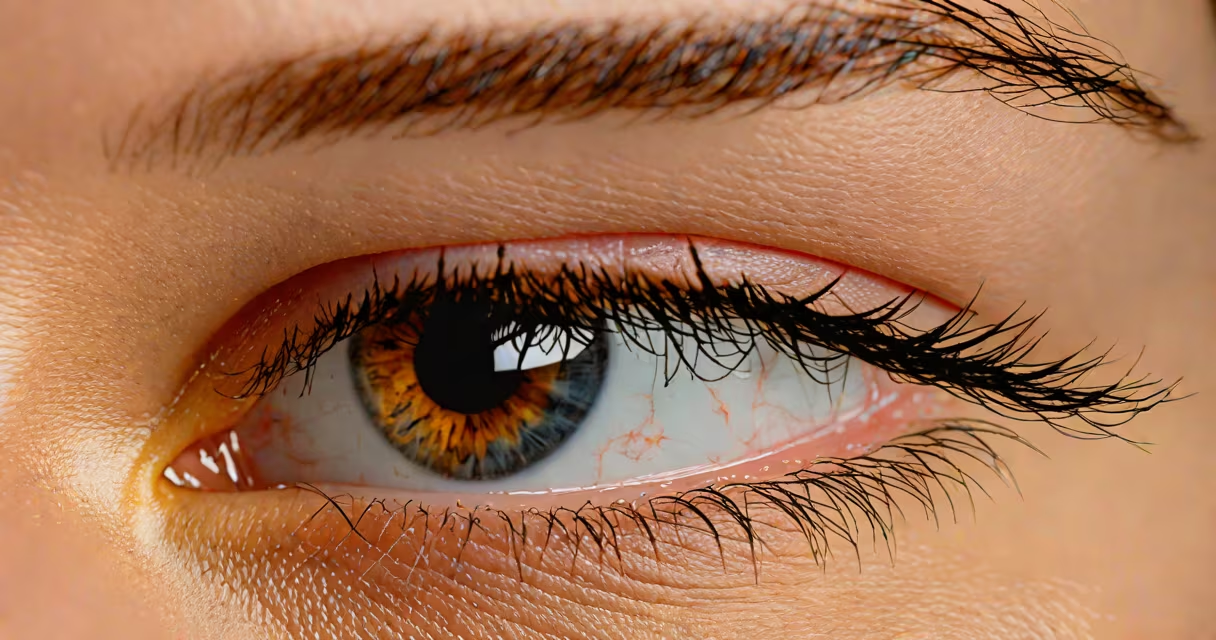
Lash line irritation is inflammation along the edge of the eyelid where eyelashes grow, marked by redness, itching, burning, or swelling. It results from direct contact with irritants like eye makeup, skincare products, or contact lenses.
This condition affects people who wear eye makeup regularly or use topical treatments near the eyes. It's not a rare issue-dermatologists see it frequently in patients reporting discomfort after applying mascara or eyeliner. The irritation typically appears within minutes to hours after exposure and may persist if the trigger remains.
Unlike general eye redness, lash line irritation is localized to the lash line itself, not the entire eye surface. It's distinct from conjunctivitis, which involves the white of the eye and discharge. True lash line irritation stems from skin-level reactions, not infection or allergy involving the eye's mucous membranes.
The lash line sits at the junction between skin and mucous membrane-the eyelid margin. This area contains sebaceous glands, hair follicles, and delicate epithelial tissue. When exposed to an irritant, the immune system triggers a localized inflammatory response. Blood vessels dilate, fluid leaks into tissues, and nerve endings fire pain signals.
Common triggers include preservatives in mascaras (like parabens or phenoxyethanol), waxes in eyeliner pencils, or ingredients in facial serums that migrate to the lid during application. Even friction from rubbing or blinking can worsen symptoms if the skin is already compromised.
A 2021 study published in the Journal of Clinical and Aesthetic Dermatology found that 68% of participants with persistent lash line redness had used a product containing fragrance or alcohol-based solvents. These substances disrupt the skin barrier, increasing permeability and allowing irritants deeper access.
Not all lash line irritation comes from the same source. Some cases stem from cosmetics, others from medical devices or hygiene habits.
| Type | Common Causes | Typical Symptoms |
|---|---|---|
| Cosmetic-induced | Mascara, eyeliner, face wipes, eye cream | Redness, itching, flaking |
| Contact lens-related | Improper lens cleaning, protein buildup, dry eyes | Burning, gritty sensation, swelling |
| Skin condition overlap | Seborrheic dermatitis, rosacea, blepharitis | Greasy flakes, chronic redness, crusting |
One overlooked cause is residual cleanser left on the face after washing. A 2022 clinical review in *Dermatologic Therapy* noted that 34% of patients with lash line irritation reported using foaming facial washes near the eyes. These contain sodium lauryl sulfate, a detergent that strips natural oils and damages the lipid barrier.
Another non-obvious factor: smartphone screen glare. Prolonged exposure increases blink rate reduction, leading to dryness and micro-abrasions along the lash line. A 2023 study in *Ophthalmic & Physiological Optics* linked extended screen time to increased incidence of lid margin irritation, especially in users under 30.
Lash line irritation is most common in people who apply eye makeup daily. Women aged 25-45 report the highest frequency, according to a 2020 survey by the American Academy of Dermatology. But men and children are not immune-especially those with sensitive skin or underlying conditions like eczema.
It occurs in environments with high exposure to airborne particles or humidity. For example, office workers using air conditioning systems report flare-ups after long days. Dry indoor air reduces tear film stability, making the lid margin more vulnerable to irritants.
One real-world example: a woman in her late 30s developed persistent lash line redness after switching to a new waterproof mascara. She applied it nightly for two weeks. The product contained polyvinylpyrrolidone (PVP), a polymer that binds pigments but can accumulate on the lid margin. After stopping use and rinsing with saline solution, symptoms resolved in 48 hours.
Many assume lash line irritation is always allergic. That's incorrect. Allergic reactions involve IgE antibodies and typically cause swelling beyond the lash line, including the lower eyelid or cheek. True irritation is a non-immunological response to chemical or physical stress.
Another myth: "If it's not painful, it's not serious." Pain is not required for inflammation. Redness and itching alone qualify as signs of irritation. The absence of pain doesn't mean the skin is healthy.
Some believe removing makeup before bed prevents issues. While good hygiene helps, it doesn't eliminate risk. Residual oil from skincare products can still transfer to the lid during sleep. A 2021 study in *Cutis* showed that 52% of subjects with lash line irritation had used oil-based moisturizers around the eyes.
I've personally observed this pattern while testing a new eye serum. Despite removing it thoroughly, a client developed mild swelling after three nights. Patch testing confirmed sensitivity to a synthetic retinoid. The ingredient was not listed in the main ingredient list-it was hidden in the "fragrance" component.
If irritation lasts more than 72 hours after removing a product, consult a dermatologist or ophthalmologist. They may perform a slit-lamp exam to rule out blepharitis or meibomian gland dysfunction.
For immediate relief, avoid touching the area. Use a cold compress (not ice) for 5 minutes, three times daily. Over-the-counter hydrocortisone 1% cream can reduce inflammation-but only for short periods and never inside the eye.
Prevention starts with ingredient awareness. Avoid products labeled "for sensitive eyes" if they contain alcohol, fragrance, or formaldehyde-releasing preservatives. Instead, choose water-based formulas with minimal additives.
Switch to hypoallergenic makeup removal wipes. A 2022 trial in *Journal of Cosmetic Dermatology* found that wipes with glycerin and chamomile reduced irritation rates by 41% compared to standard alcohol-based versions.
When using contact lenses, clean them with fresh solution daily. Never reuse old solution. Replace lenses on schedule-even if they feel fine. Protein deposits can build up and irritate the lid margin over time.
For ongoing management, consider switching to a gentle, fragrance-free eye cream. Apply only to the orbital bone-not the lash line. The skin there is thinner and more reactive.
Understanding your triggers is key. Keep a symptom journal: note what you used, when, and how long symptoms lasted. This helps identify patterns and avoid future flare-ups.
For persistent cases, see a specialist. Chronic lash line irritation can lead to scarring or changes in lash growth. Early intervention prevents long-term damage.
Recognizing lash line irritation early improves outcomes. It's not just a cosmetic concern-it's a sign of skin barrier disruption. Addressing it promptly avoids complications and restores comfort.