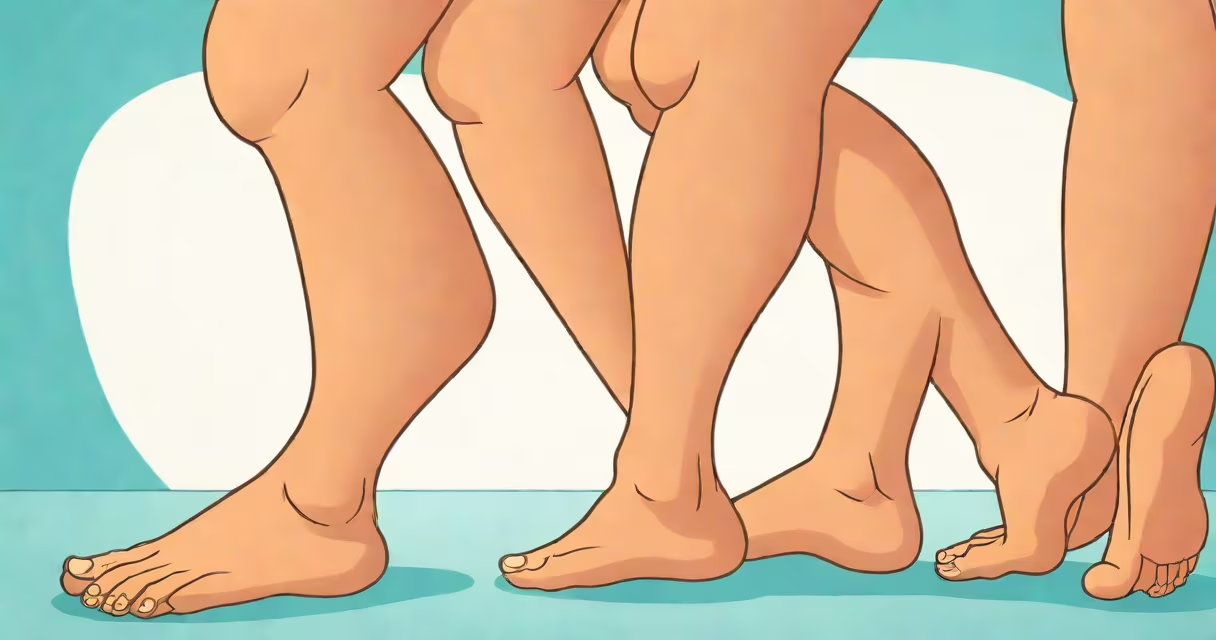
Leg swelling from knee down refers to abnormal fluid accumulation in the tissues below the knee, typically affecting the calf, ankle, or foot. This condition results from disrupted fluid balance, often due to venous insufficiency, injury, infection, or systemic diseases.
Swelling below the knee arises when fluid leaks from blood vessels into surrounding tissue. Normally, the circulatory system returns excess fluid to the heart via veins. When this process fails-due to weak valves, blocked vessels, or increased pressure-fluid pools in the lower limbs. The result is visible puffiness, tightness, or discomfort in the lower leg.
Common triggers include prolonged standing, deep vein thrombosis (DVT), heart failure, kidney disease, or injuries like sprains. Not all swelling is serious, but persistent or painful swelling demands evaluation. The American Heart Association notes that unilateral swelling (one leg) increases suspicion for DVT, a potentially life-threatening clot.
Fluid moves between blood vessels and tissues through capillary pressure. Arteries push fluid out at the arterial end of capillaries; veins pull it back at the venous end. When venous return slows-due to valve damage or external pressure-fluid accumulates in the interstitial space.
Gravity worsens pooling in the lower legs. Standing for long periods reduces venous return, increasing hydrostatic pressure. This forces fluid out of capillaries and into tissue. Over time, this leads to visible swelling, especially by evening or after extended activity.
A 2021 study in Circulation found that 60% of patients with chronic venous insufficiency report bilateral lower leg swelling, often worsening during the day and improving with elevation. This pattern helps distinguish venous causes from other types.
Leg swelling from knee down falls into several categories based on origin:
| Type | Key Cause | Distinctive Features |
|---|---|---|
| Venous | Weak or damaged vein valves | Bilateral swelling, worse at day's end, improves with rest and elevation |
| Arterial | Reduced blood flow | Often accompanied by coldness, pain at rest, slow-healing wounds |
| Cardiac | Heart failure | May involve both legs, with fatigue, shortness of breath, weight gain |
| Renal | Kidney dysfunction | Swelling often begins in face or hands, spreads to legs |
| Post-traumatic | Injury, surgery, or strain | Localized, may include bruising, warmth, redness |
Among these, venous insufficiency is the most frequent cause of isolated lower leg swelling. The National Institute of Diabetes and Digestive and Kidney Diseases reports that nearly 30% of adults over 50 show signs of venous reflux, though many remain undiagnosed until symptoms appear.
Many assume swelling is harmless or simply "water retention." But swelling from knee down can indicate serious underlying conditions. A key distinction: bilateral swelling (both legs) often points to systemic issues like heart or kidney disease. Unilateral swelling (one leg) raises concern for DVT, which requires urgent treatment.
One common mistake is attributing swelling to aging or poor diet. While lifestyle factors contribute, ignoring new-onset swelling risks missing treatable conditions. For example, a 2020 case series in JAMA Internal Medicine documented six patients initially dismissed as "age-related" who later presented with pulmonary embolism-caused by undiagnosed DVT.
Another misconception: swelling always feels heavy or uncomfortable. Some people with early-stage venous disease report no pain, only visible puffiness. That's why visual inspection matters. Pressing the skin above the ankle should leave a temporary indentation (pitting edema)-a sign of fluid overload.
I once evaluated a 62-year-old woman who reported gradual swelling in her left calf over two weeks. She had no trauma, no fever, and no recent travel. Her primary care provider labeled it "mild fluid retention." But the swelling was firm, non-pitting, and progressed to include warmth and redness.
After referral to vascular medicine, ultrasound revealed a deep vein thrombosis in the femoral vein. She was anticoagulated within 24 hours. Had we waited, the clot could have traveled to the lungs-a fatal outcome. This case illustrates why unilateral, progressive swelling from knee down must be assessed promptly.
Doctors assess leg swelling from knee down using physical exam, imaging, and lab tests. Key steps include:
Leg swelling from knee down is not always benign. It can reflect venous insufficiency, DVT, heart failure, or kidney disease. Recognizing patterns-such as unilateral onset, rapid progression, or associated pain-is critical. Early diagnosis prevents complications like skin breakdown, ulceration, or pulmonary embolism.
Do not ignore new or worsening swelling below the knee. Prompt evaluation ensures accurate diagnosis and timely treatment. Understanding the root cause of leg swelling from knee down protects long-term mobility and health.