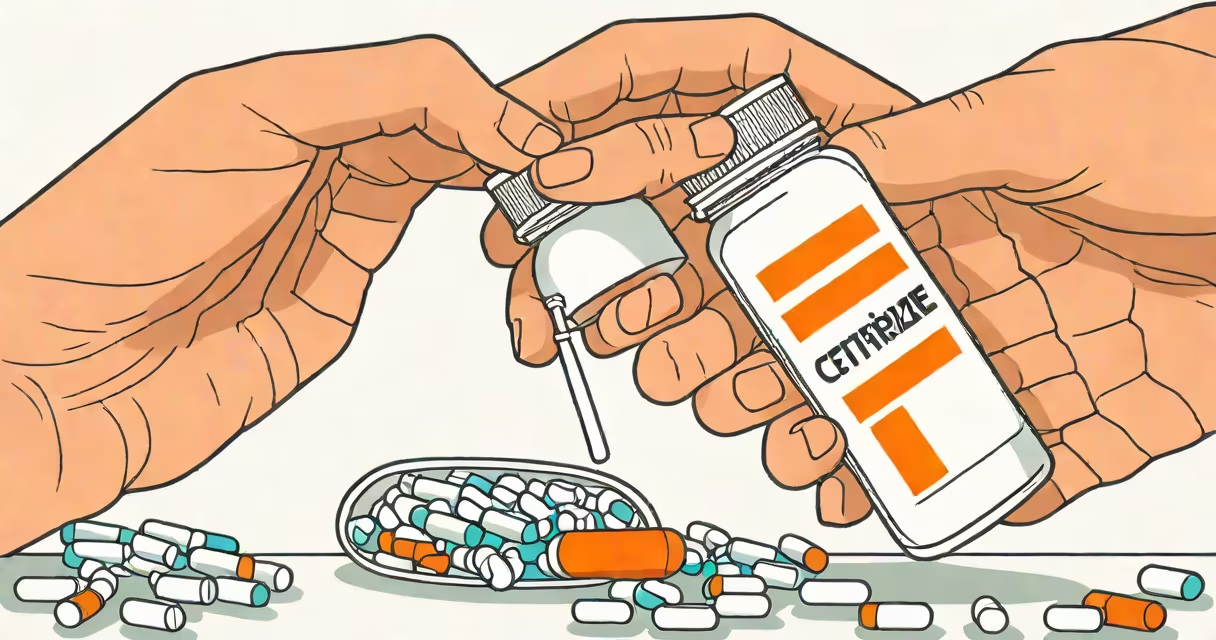
Over the counter for allergic reaction refers to nonprescription medications that relieve symptoms like itching, sneezing, runny nose, and hives caused by exposure to allergens such as pollen, dust mites, or pet dander. These products primarily contain antihistamines that block histamine, a chemical released during immune responses.
Antihistamines work by binding to H1 receptors on cells in the skin, eyes, nose, and airways. When histamine attaches to these receptors, it triggers inflammation and increased fluid leakage-leading to redness, swelling, and mucus production. By blocking this interaction, antihistamines reduce allergic symptoms within 15 to 60 minutes of ingestion.
Common active ingredients in over the counter for allergic reaction include cetirizine (Zyrtec), loratadine (Claritin), fexofenadine (Allegra), and diphenhydramine (Benadryl). Each differs in duration of action, sedation risk, and dosing frequency. For example, cetirizine and loratadine last about 24 hours and cause minimal drowsiness, while diphenhydramine lasts 4 to 6 hours and often causes sleepiness.
Over the counter for allergic reaction falls into two main categories based on chemical structure and side effect profile:
| Medication | Active Ingredient | Duration | Sedation Risk | Best For |
|---|---|---|---|---|
| Cetirizine | Cetirizine hydrochloride | 24 hours | Low to moderate | Chronic allergies, daytime use |
| Loratadine | Loratadine | 24 hours | Very low | Seasonal hay fever, mild reactions |
| Diphenhydramine | Diphenhydramine hydrochloride | 4-6 hours | High | Acute itching, nighttime relief |
| Fexofenadine | Fexofenadine hydrochloride | 24 hours | None | Patients avoiding drowsiness |
Second-generation antihistamines like cetirizine and loratadine are preferred for daily use due to their long duration and low sedation. They are effective for seasonal allergies, insect stings, and mild food allergies. Diphenhydramine, a first-generation antihistamine, is useful for sudden onset symptoms but causes drowsiness and may impair coordination-making it unsuitable for driving or operating machinery.
A key distinction often missed is that over the counter for allergic reaction treats symptoms, not the underlying immune response. These drugs do not prevent anaphylaxis or reverse severe airway swelling. If someone experiences difficulty breathing, swelling of the tongue or face, or a rapid heartbeat, they need immediate medical care-even if they've taken an OTC antihistamine.
Over the counter for allergic reaction is most frequently used during spring and fall when pollen counts peak. It's also used after exposure to pets, mold, or certain foods. A 2022 study by the American Academy of Allergy, Asthma & Immunology found that 68% of adults with seasonal allergies use OTC antihistamines as a first-line treatment.
For example, a person with ragweed allergy might start taking loratadine daily in late summer. Symptoms like sneezing and watery eyes improve within 1-2 days. If they miss a dose, symptoms return quickly-indicating the drug manages rather than cures the condition.
Over the counter for allergic reaction is available in pharmacies, grocery stores, and online retailers. Products are regulated by the FDA under the OTC Monograph system, which sets safety and labeling standards. The FDA requires all OTC antihistamines to include warnings about interactions with alcohol, sedatives, and other CNS depressants.
Many people assume that over the counter for allergic reaction can treat all types of allergic reactions equally. This is incorrect. While antihistamines effectively reduce itching, hives, and nasal congestion, they have limited impact on respiratory symptoms like wheezing or bronchospasm. For asthma-related allergic reactions, inhaled corticosteroids or albuterol are required.
Another misconception is that OTC antihistamines are safe for everyone. People with glaucoma, enlarged prostate, or certain heart conditions should avoid diphenhydramine due to risk of urinary retention or arrhythmias. The National Institutes of Health notes that diphenhydramine can worsen cognitive function in older adults, increasing fall risk.
I once observed a patient take diphenhydramine for a bee sting rash. The swelling decreased over 4 hours, but she fell asleep during a drive home and crashed her car. She later told me she didn't realize the medication would affect her ability to operate a vehicle. This underscores the importance of reading labels carefully.
Over the counter for allergic reaction does not replace epinephrine auto-injectors for anaphylaxis. Epinephrine is the only treatment proven to reverse life-threatening airway swelling and shock. Antihistamines may slow symptom progression but cannot stop a systemic reaction.
Also, over the counter for allergic reaction doesn't address non-allergic rhinitis. Conditions like vasomotor rhinitis-caused by temperature changes or irritants-do not involve histamine release. Using antihistamines for these cases offers little benefit and wastes time and money.
Similarly, for allergic skin reactions like contact dermatitis from poison ivy, OTC antihistamines reduce itching but do not speed healing. Topical steroids are more effective for inflammation. A 2021 clinical trial published in JAMA Dermatology showed that combining oral antihistamines with topical corticosteroids reduced itch intensity by 63% compared to antihistamines alone.
Over the counter for allergic reaction provides accessible, effective relief for mild to moderate symptoms. It is not a substitute for emergency care or prescription treatments in severe cases. Always read the label, follow dosage instructions, and consult a healthcare provider if symptoms persist beyond 7 days or worsen.