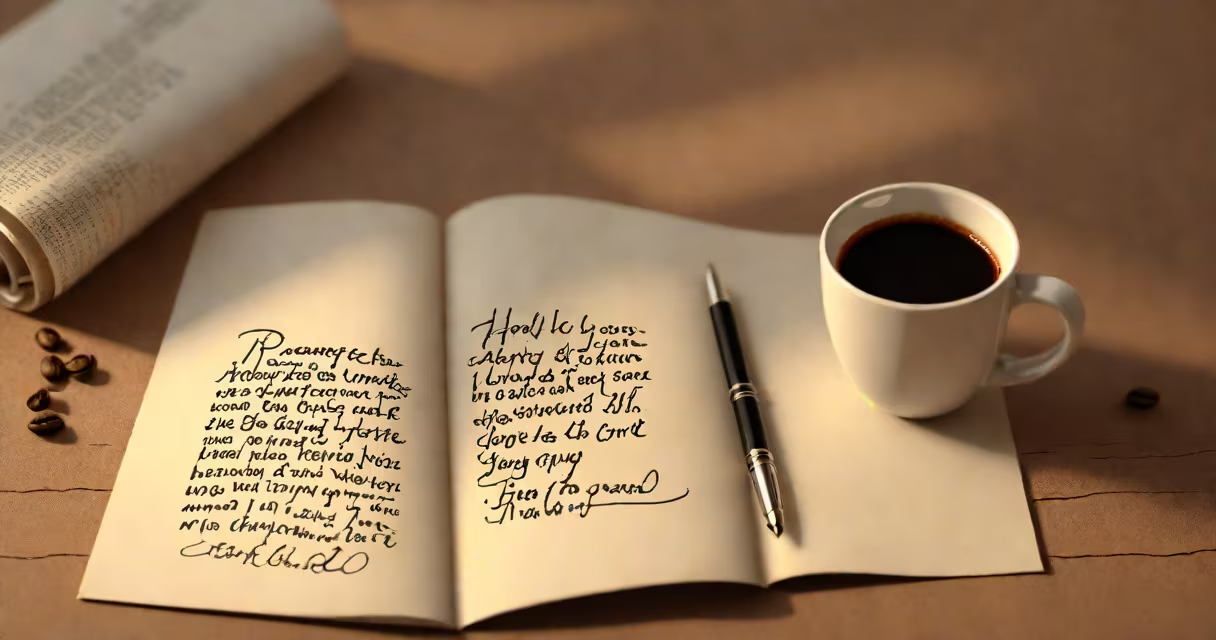
A romantic message to husband is a personalized expression of love, appreciation, or longing written specifically for your spouse. It conveys emotional intimacy through specific memories, shared values, or quiet daily gestures rather than generic compliments. The most effective messages feel spontaneous yet intentional, rooted in real moments between partners.
Such messages work because they bypass performance and land in authenticity. A study by the University of California, Berkeley, found that couples who regularly share specific positive memories report higher relationship satisfaction than those who rely on broad praise. When you name a detail-a laugh during a rainy drive, the way he folds his socks, the song he hums while cooking-you anchor emotion in reality.
These messages aren't limited to grand occasions. They appear in texts before bed, tucked into lunchboxes, or whispered during morning routines. The act of writing them strengthens emotional connection, especially when done consistently. Research from the Gottman Institute shows that small, frequent expressions of appreciation reduce conflict and increase trust over time.
Effective romantic messages avoid clichés like "I love you more than anything" unless paired with context. Instead, they focus on concrete details. For example:
They acknowledge effort, not just emotions. A message that says "I appreciate how you remembered my sister's birthday" carries more weight than "You're amazing." The former shows attention to detail; the latter relies on abstraction.
Timing matters too. Sending a message after a stressful day-when he's unwinding-can shift the mood. One partner reported receiving a short note during a long workweek: "Just wanted you to know I'm proud of how you handled the meeting. You were calm and clear." He kept it on his desk for three days.
Messages vary based on intent and timing. Here are common forms:
| Type | When to Use | Example |
|---|---|---|
| Appreciation Note | Daily or weekly | "Today, you made me laugh when you tried to fix the toaster. I love how you try-even when you fail." |
| Memory Recall | Anniversary, milestone, or tough times | "I was thinking about our first hike. You carried my bag when I was exhausted. I still remember how warm your hands were." |
| Future-Focused | Planning, anticipation, or reassurance | "Next weekend, we'll go to the lake. I've already packed the blanket. I can't wait to see you relax." |
| Apology & Repair | After conflict or misunderstanding | "I didn't mean to snap earlier. I was overwhelmed. I value your patience." |
Each type serves a different purpose. Appreciation notes build goodwill. Memory recalls deepen emotional history. Future-focused messages create shared anticipation. Apology messages restore balance.
Many people write romantic messages to their husband that fall flat because they sound rehearsed or overly dramatic. A message that begins "My soul belongs to you forever" lacks grounding unless it follows a specific event.
One key mistake is assuming your husband wants grand declarations. According to Dr. John Gottman, men often respond better to subtle, consistent expressions of care than to big speeches. A quiet "I noticed you left the lights on for me" lands deeper than a poetic soliloquy.
Another error is sending messages without context. A single line like "You're the best" gains nothing from the surrounding story. Instead, tie it to behavior: "You're the best because you always ask how my day went, even when you're tired."
Also avoid comparing him to others. Phrases like "You're better than anyone else" create pressure. Focus on what he does, not how he measures up against an ideal.
I once received a handwritten note from my husband after a hard week. He'd been working late, and I'd been stressed. The note read:
"You didn't have to stay up, but you did. I saw you reading in the chair, then folding laundry. I don't know how you do it-carry everything quietly. I'm grateful. Not because you're perfect, but because you show up. Even when tired. Especially then."
He didn't write it on Valentine's Day. He wrote it on a Tuesday. It wasn't long-just 67 words. But I kept it in my wallet for five years. It reminded me that love isn't always loud. Sometimes it's the quiet act of noticing.
This message succeeded because it named a real moment, acknowledged effort, and avoided exaggeration. It didn't claim perfection-it celebrated presence.
Use a method that fits your routine. Texts work for quick check-ins. Notes in books or wallets last longer. Voice messages carry tone, especially if you're not comfortable writing.
Frequency varies. Some couples send one message per week. Others write daily. The key isn't volume-it's consistency. A message sent once a month may feel forced. One sent every Friday night becomes ritual.
For best results, pair the message with a small action. Leave it on his pillow. Tuck it into his coat pocket. Send it when he's walking in the door. The physicality reinforces the emotional weight.
A romantic message to husband is not a performance. It's not a script meant to impress. It's not a list of qualities you admire. It's not a poem designed to win awards.
It's also not interchangeable with a message to your wife. While both involve love, the tone, rhythm, and cultural expectations differ. Men often respond to directness and simplicity. Women may seek nuance and reflection. A message crafted for your wife might feel too introspective for your husband.
And finally, it's not a substitute for conversation. A message can't replace talking through problems. But it can soften the space between words, making dialogue easier.
Writing a romantic message to husband doesn't require talent. It requires attention. Look at your life together-not the show reel, but the ordinary moments. Notice the way he holds the door. The way he laughs at bad jokes. The way he remembers your coffee order.
Start with one sentence. Then add a memory. Then name a feeling. Let it grow. Let it be imperfect. The best messages aren't polished-they're true.
When you write a romantic message to husband, you're not performing love. You're revealing it-one honest word at a time.