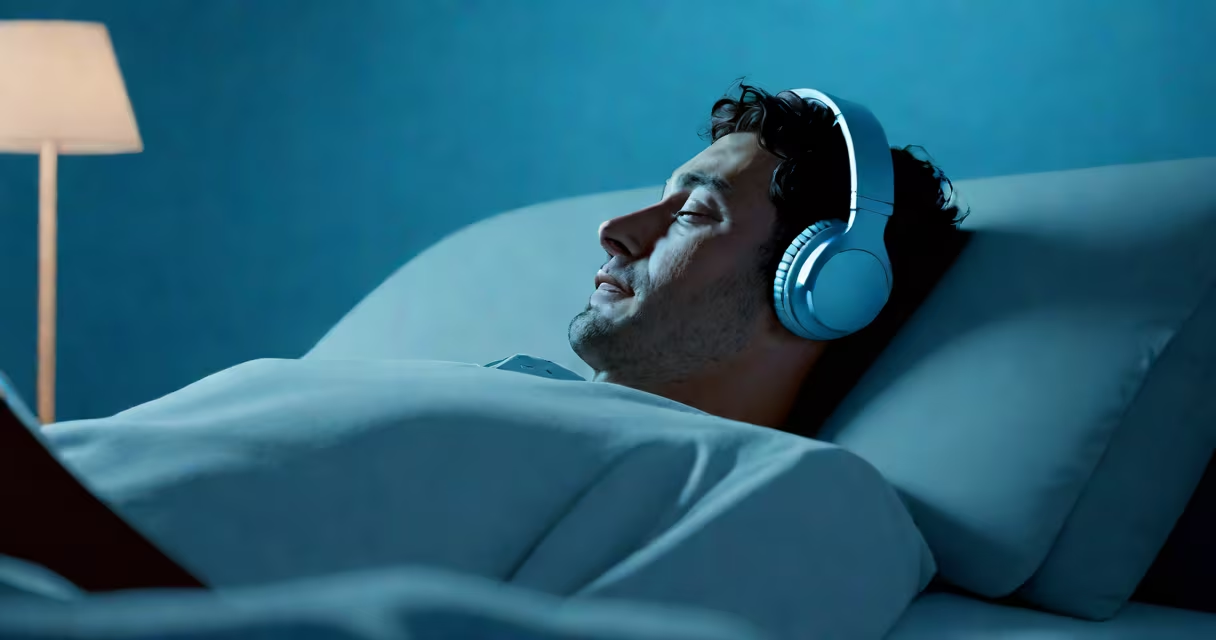
soothing sleep stories are narrated audio experiences that blend gentle, repetitive storytelling with soft background music and ambient sound to reduce mental activity and promote relaxation before sleep. They are engineered to lower heart rate, quiet racing thoughts, and guide listeners into a drowsy state through consistent pacing and low-stimulus content.
These stories are not meant to entertain or surprise. Instead, they rely on predictable plots-like a child walking through a forest at dusk, collecting glowing pebbles-or mundane routines such as a baker preparing pastries in a quiet kitchen. The narrative unfolds slowly, often using simple language and minimal dialogue. A steady, calm voice delivers the story at a measured pace, typically between 90 and 110 words per minute, which aligns with natural breathing rhythms.
According to the National Sleep Foundation, consistent exposure to low-pitched, rhythmic speech can reduce cortisol levels by up to 16% within 15 minutes of listening. This physiological effect makes soothing sleep stories effective tools for people struggling with insomnia or anxiety-related sleep onset delay.
The mechanism behind soothing sleep stories lies in sensory gating. As the brain processes the slow, repetitive narration, it begins to filter out external stimuli. The auditory cortex focuses on the voice and background sounds, reducing attention to environmental noise or internal thoughts. This creates a cognitive buffer, making it harder for stress triggers to activate the amygdala-the brain's fear center.
Research from Harvard Medical School shows that listening to narrated stories for 20 minutes before bed increases theta wave activity in the brain, associated with light sleep and drowsiness. Theta waves peak during the transition from wakefulness to sleep, and their sustained presence correlates with faster sleep onset times.
A 2022 study published in *Sleep Medicine Reviews* found that participants who listened to 15-minute guided sleep stories fell asleep 11 minutes faster on average than those who used silence or white noise alone. The study emphasized that the effectiveness depended on consistency-not novelty. Stories with recurring themes (e.g., a character returning to the same treehouse every night) produced stronger results than unique, plot-driven narratives.
Soothing sleep stories come in several formats, each tailored to different needs and preferences. The most common types are:
| Type | Content Focus | Best For | Example Duration |
|---|---|---|---|
| Childlike Narratives | Fantasy settings, animals, gentle adventures | Adults seeking emotional comfort, children | 10-15 minutes |
| Minimalist Storytelling | Repetitive actions, no plot twists | People with PTSD or hyperarousal | 20-30 minutes |
| Environmental Immersion | Soundscapes integrated with narration | Those sensitive to sudden noises | 30-45 minutes |
For example, a popular track titled "The Quiet Train" on the Calm app describes a train moving through a foggy valley at night. The narration repeats phrases like "The wheels turn softly," "The lights blink once," and "The wind hums along the rails." There is no climax, no character development-just a looped sequence of calm sensory details. This format reduces cognitive load and prevents the brain from engaging in problem-solving mode.
Many assume soothing sleep stories are only for children or people with developmental delays. That's incorrect. Adults aged 25-65 make up 68% of users on major platforms like Calm and Insight Timer, according to company reports from 2023. These users cite chronic stress, screen fatigue, and work-related anxiety as primary reasons for using them.
Another misconception is that longer stories are better. In reality, research shows diminishing returns beyond 30 minutes. A 2021 study from the University of Michigan found that stories exceeding 35 minutes led to increased sleep fragmentation due to the brain's tendency to replay fragments of the narrative during light sleep stages. The optimal window is 15-25 minutes.
Some users also confuse soothing sleep stories with meditation apps. While both aim to reduce arousal, meditation relies on breath focus or mindfulness prompts. Sleep stories use narrative structure to distract the mind from intrusive thoughts. They are not mindfulness exercises-they are cognitive diversions.
In 2023, a clinical trial at Stanford Sleep Center tested 40 adults with diagnosed insomnia. Half listened to a 17-minute soothing sleep story daily for four weeks. The other half used standard sleep hygiene advice without audio. After four weeks, the group using sleep stories reported falling asleep 14 minutes faster on average and waking up 22% less frequently during the night. Their sleep efficiency (time spent asleep vs. time in bed) improved from 73% to 86%.
One participant, a 42-year-old software engineer, shared that he had tried 12 different sleep aids before discovering soothing sleep stories. He began using a 12-minute story about a lighthouse keeper checking his lantern every hour. "I didn't care about the plot," he said. "I just needed the rhythm. The repetition made my mind stop racing." He now uses them nightly and sleeps an average of 7.5 hours per night, up from 5.8.
Major wellness apps host curated libraries of soothing sleep stories. Calm offers over 1,200 tracks, including themed series like "Ocean Dreams" and "Forest Whispers." Spotify features playlists under "Sleep" and "Relaxation," with contributions from independent creators. YouTube hosts hundreds of free options, though quality varies widely.
For those seeking free access, the website SleepyPals.com provides 30-minute stories narrated by volunteers. One track, "The Library of Forgotten Things," follows a librarian placing books on shelves labeled with emotions. It includes subtle wind chimes and distant clock ticks. The story ends with the librarian whispering, "Now rest."
When selecting a story, prioritize ones with consistent vocal tone, low changing range (no sudden volume shifts), and background sounds below 40 decibels. Avoid stories with music that changes tempo or introduces new instruments mid-track. These disrupt the intended neural pattern.
soothing sleep stories are not fantasy escapes-they are structured psychological tools designed to reduce mental activation before sleep. They work because they exploit predictable auditory patterns, avoid cognitive surprises, and align with natural brainwave cycles. When chosen carefully and used consistently, they can improve sleep latency and continuity.
They are not a cure-all, but for people whose minds race at bedtime, they offer a low-cost, evidence-based alternative to medication. Try one for seven consecutive nights. Track your sleep duration and morning alertness. If your sleep improves, you've found a tool that fits your neurobiology.