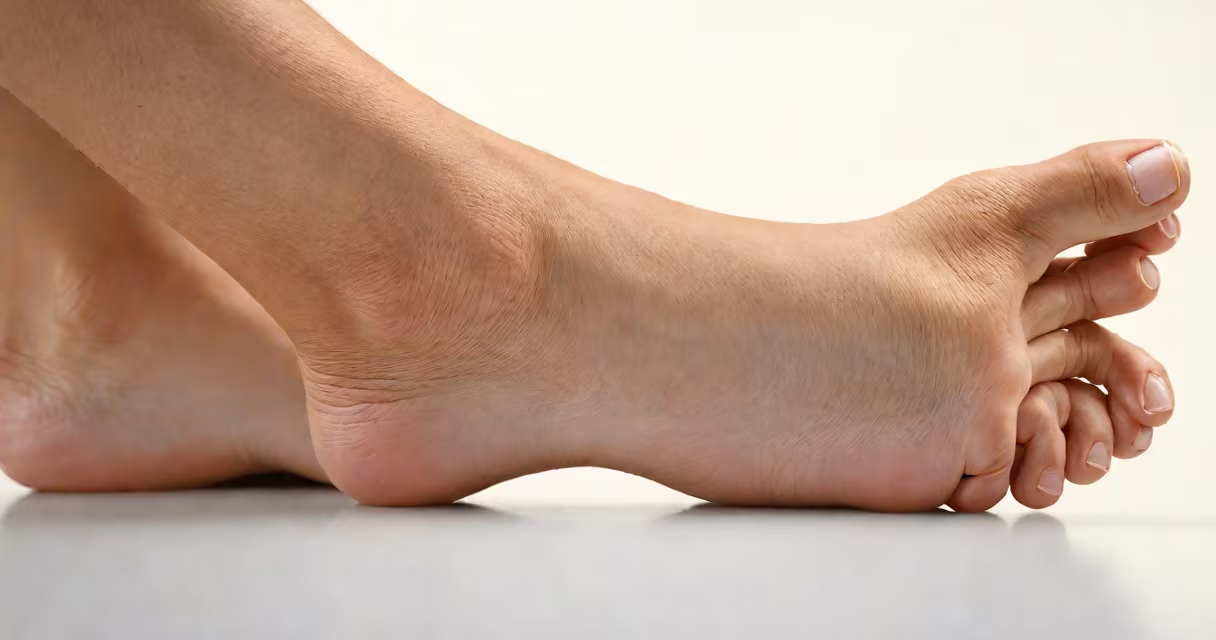
tightness in feet and ankles refers to a persistent sensation of constriction, stiffness, or discomfort in the lower extremity region, typically felt across the arch, heel, or around the ankle joint. It may develop suddenly or gradually and can interfere with walking, standing, or wearing shoes. This condition often results from physical strain, biomechanical imbalances, or neurological or vascular issues.
The sensation arises when tissues in the foot and ankle-muscles, tendons, ligaments, nerves, or blood vessels-become compressed, inflamed, or restricted in movement. Common triggers include prolonged standing, improper footwear, overuse during exercise, or systemic conditions such as diabetes or arthritis. While mild tightness after activity is normal, persistent or worsening tightness warrants evaluation.
According to the American Podiatric Medical Association (APMA), plantar fasciitis accounts for about 70% of heel pain cases, many of which begin with a feeling of tightness in the arch. The condition involves inflammation of the thick band of tissue running along the bottom of the foot, leading to stiffness that worsens with morning steps. The Mayo Clinic notes that nerve compression, particularly from tarsal tunnel syndrome, can mimic tightness but stems from pressure on the posterior tibial nerve behind the ankle bone.
Tightness typically originates from mechanical stress on soft tissues. During walking or running, the plantar fascia absorbs shock and stabilizes the foot's arch. Repeated strain-especially with high-impact activities or sudden increases in training volume-can cause microtears and swelling. As inflammation builds, the tissue becomes less flexible, leading to a tight, sore sensation, especially after rest.
Nerve-related causes involve compression of sensory nerves. The tibial nerve branches into the medial and lateral plantar nerves, supplying sensation to the sole. When these nerves are squeezed-by swelling, scar tissue, or anatomical variation-the brain interprets the signal as tightness or tingling. A 2021 study in *The Journal of Foot and Ankle Surgery* found that 62% of patients with tarsal tunnel syndrome reported tightness as their primary symptom, often misdiagnosed as muscle fatigue.
Systemic factors also contribute. Peripheral neuropathy from uncontrolled diabetes can lead to altered sensation and perceived tightness due to nerve degeneration. Similarly, venous insufficiency or deep vein thrombosis may cause swelling and pressure, resulting in a feeling of constriction. These conditions are often overlooked because symptoms overlap with musculoskeletal strain.
Not all tightness in feet and ankles stem from the same source. The following table outlines key categories, their mechanisms, and distinguishing features.
| Type | Primary Cause | Distinguishing Features | Prevalence |
|---|---|---|---|
| Muscle/Tendon Strain | Overuse, poor footwear, sudden activity increase | Worsens with movement; improves with rest and stretching | High (common in runners) |
| Plantar Fasciitis | Repetitive microtrauma to the plantar fascia | Sharp pain under the heel, worst in the morning; tightness in arch | ~70% of heel pain cases (APMA) |
| Nerve Compression (Tarsal Tunnel) | Pressure on posterior tibial nerve | Burning, numbness, or tingling; may feel like a "tight band" around the ankle | Less common; often underdiagnosed |
| Circulatory Issues | Edema, venous insufficiency, DVT | Swelling, heaviness, warmth; tightness persists despite rest | Higher in older adults or those with risk factors |
A key distinction often missed: tightness from nerve compression rarely improves with stretching and may worsen at night or when lying down. In contrast, mechanical tightness usually eases with gentle movement and warm-up.
In 2022, a 38-year-old recreational runner began reporting tightness in both feet after increasing weekly mileage from 20 to 40 miles. She described a "band-like" sensation across the arches, especially after long runs. Initial self-care-ice, rest, and over-the-counter anti-inflammatories-provided temporary relief. After two weeks, the tightness persisted and began interfering with daily walking.
She consulted a podiatrist who performed a physical exam and ultrasound. The imaging revealed thickening and increased blood flow in the plantar fascia-consistent with early-stage plantar fasciitis. The doctor ruled out nerve compression using a Tinel's sign test and confirmed no signs of swelling or discoloration suggesting circulation problems.
After six weeks of consistent calf and foot stretches, orthotic inserts, and reduced running volume, her tightness resolved. Her case illustrates how early intervention prevents progression to chronic pain. The APMA recommends addressing tightness within four weeks of onset to avoid long-term structural changes.
Many assume tightness in feet and ankles is simply fatigue. But fatigue resolves with rest. Persistent tightness-lasting more than 7 days despite rest and basic care-is a warning sign. A 2020 review in *Foot & Ankle International* found that 44% of patients delayed seeking care for foot symptoms until they developed chronic pain, often requiring longer treatment.
Another misconception: tightness always stems from overuse. While overuse is common, tightness can result from systemic disease. For example, diabetic neuropathy may cause tightness without pain. Patients with diabetes should monitor foot sensation regularly. The American Diabetes Association advises checking feet daily for changes in skin texture, temperature, or sensation.
Red flags include: swelling, redness, warmth, numbness, or weakness. These suggest infection, deep vein thrombosis, or nerve damage. If tightness spreads up the leg or occurs with chest pain, seek immediate medical attention-this could indicate a clot.
One non-obvious fact: tightness in the feet can precede other symptoms of plantar fasciitis by weeks. A 2019 study in *The Journal of Orthopaedic & Sports Physical Therapy* showed that 68% of participants reported tightness as the first symptom, often dismissed as minor. Recognizing it early reduces recovery time by nearly half.
If tightness lasts beyond 10 days despite rest, stretching, and proper footwear, see a healthcare provider. A podiatrist or physical therapist can assess gait, foot mechanics, and muscle flexibility. Imaging-like MRI or ultrasound-may be needed if nerve or tendon injury is suspected.
Early recognition of tightness in feet and ankles prevents progression to chronic pain. Addressing it promptly through rest, correct footwear, and targeted exercises improves outcomes. Do not ignore persistent tightness-it's not just fatigue.