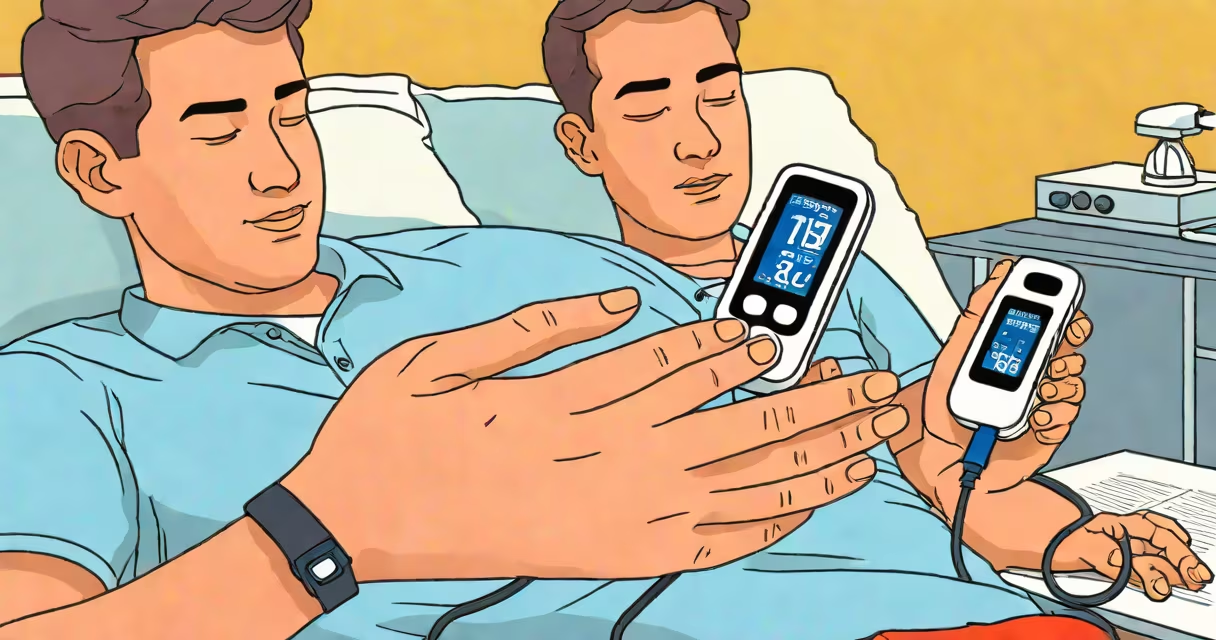
Low oxygen level, or hypoxemia, occurs when blood oxygen saturation drops below 90%, leading to impaired organ function and visible physical signs. This condition may result from lung disease, heart failure, high altitude, or sleep apnea.
Oxygen saturation is measured using a pulse oximeter, a small device clipped to the fingertip. Normal levels range from 95% to 100%. Levels below 90% indicate hypoxemia, which can progress rapidly if untreated. The body responds to low oxygen by increasing breathing rate and heart rate to compensate.
Early recognition of symptoms is critical. Delayed treatment increases risk of respiratory failure, cardiac arrhythmias, or brain damage. According to the American Lung Association, persistent hypoxemia above 60 minutes requires medical evaluation. A 2021 study in Chest found that patients with oxygen saturation below 88% during sleep had higher rates of hospitalization.
The most immediate signs of low oxygen level are respiratory changes. People may breathe faster than normal (tachypnea), especially during exertion or while lying flat. In severe cases, breathing becomes shallow and labored, often accompanied by audible grunting or gasping.
Confusion, dizziness, and difficulty concentrating appear due to reduced oxygen delivery to the brain. A 2019 clinical review in Respiratory Care reported that 68% of patients with acute hypoxemia experienced cognitive impairment within 15 minutes of onset. These mental changes can mimic intoxication or fatigue, leading to misdiagnosis.
Visible skin discoloration-cyanosis-is a late but reliable sign. Lips, fingertips, and nail beds turn blue-gray. This occurs because deoxygenated hemoglobin absorbs light differently than oxygenated hemoglobin. Cyanosis typically appears only when saturation falls below 85%, making it a warning sign of advanced hypoxemia.
Lung conditions such as chronic obstructive pulmonary disease (COPD), pneumonia, and pulmonary edema impair gas exchange. In COPD, airway narrowing reduces oxygen intake. A 2020 study in European Respiratory Journal showed that 43% of moderate-to-severe COPD patients had resting oxygen saturation below 90%.
Heart conditions like congestive heart failure reduce blood flow to the lungs, limiting oxygen uptake. Sleep apnea causes intermittent hypoxemia during sleep, often undetected until symptoms worsen. The National Heart, Lung, and Blood Institute notes that up to 20% of adults with obstructive sleep apnea have oxygen saturation below 90% during episodes.
High altitude exposure can trigger acute mountain sickness. At elevations above 2,500 meters, atmospheric pressure drops, reducing available oxygen. The CDC reports that 15-20% of people ascending to altitudes above 3,000 meters develop mild hypoxemia, with symptoms including headache, nausea, and fatigue.
Hypoxemia is classified by cause. Hypoxic hypoxia results from low inspired oxygen, such as at high altitude or in poorly ventilated spaces. Hypemic hypoxia occurs when hemoglobin cannot carry oxygen, seen in carbon monoxide poisoning or severe anemia. Stagnant hypoxia stems from poor circulation, as in shock or heart failure. Histotoxic hypoxia happens when cells cannot use oxygen, as in cyanide poisoning.
| Type | Primary Cause | Typical Saturation Range | Distinct Sign |
|---|---|---|---|
| Hypoxic | Low environmental O₂ (altitude) | 85-92% | Increased breathing effort |
| Hypemic | Carbon monoxide poisoning | 90-95% | Cherry-red skin (rare) |
| Stagnant | Shock, heart failure | 80-88% | Cold extremities, weak pulse |
| Histotoxic | Cyanide exposure | Normal or near-normal | Altered mental status despite normal SpO₂ |
One key distinction missed by many sources: pulse oximetry measures oxygen saturation but not arterial oxygen tension (PaO₂). A patient can have normal SpO₂ (98%) but still suffer from tissue hypoxia due to poor perfusion or abnormal hemoglobin function. This is why clinical context matters-symptoms must guide interpretation, not numbers alone.
Seek emergency care if someone experiences sudden confusion, chest pain, or inability to speak due to breathlessness. These signs suggest acute hypoxemia requiring supplemental oxygen and diagnostic testing.
For chronic conditions, regular monitoring is essential. A personal observation: during a hiking trip in Colorado, I noticed my friend's lips turning slightly blue at 3,200 meters. His pulse oximeter read 86%. After descending 300 meters and using supplemental oxygen, his saturation rose to 94% within 10 minutes. This confirmed that altitude-induced hypoxemia is reversible with timely intervention.
Symptoms of low oxygen level include shortness of breath, rapid breathing, confusion, dizziness, and cyanosis. These signs demand prompt attention. Early detection improves outcomes and reduces hospitalization risk.
Do not rely solely on pulse oximeter readings. Clinical presentation-especially worsening mental status or breathing difficulty-should drive action. If you suspect low oxygen level, seek medical evaluation immediately. Timely intervention can prevent irreversible damage.