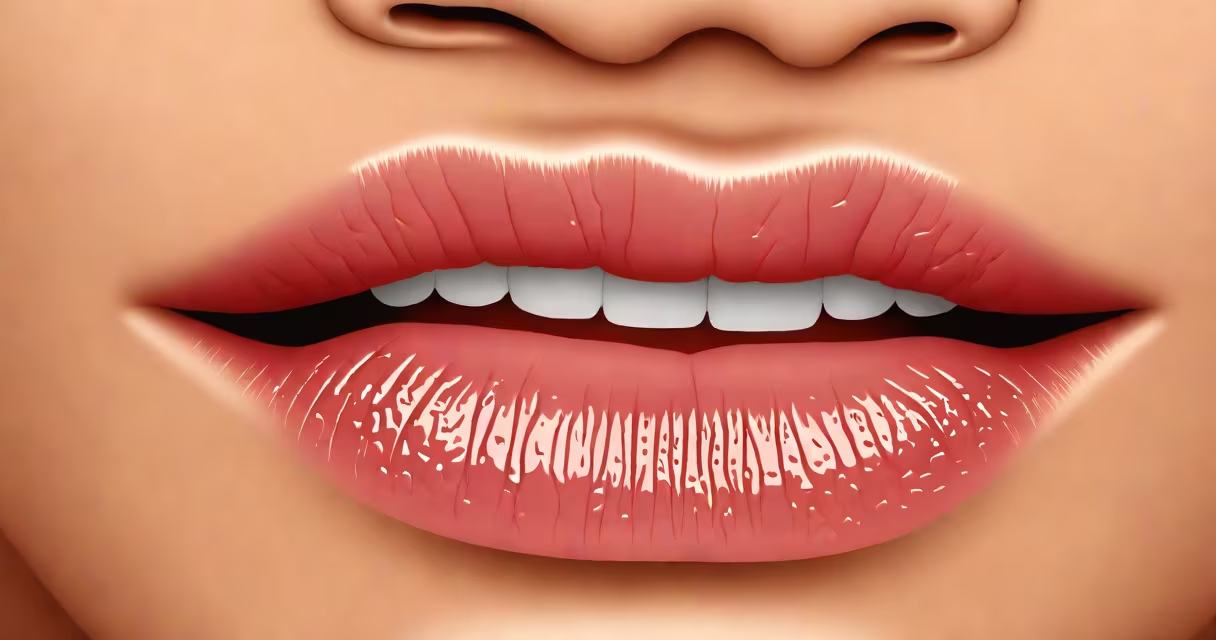
Herpes outbreaks occur when the herpes simplex virus (HSV-1 or HSV-2) reactivates from latency in nerve cells, leading to visible sores or systemic symptoms. Triggers vary by individual but commonly include immune system stress, physical trauma, and hormonal shifts.
Herpes viruses remain dormant in sensory nerve ganglia after initial infection. Reactivation happens when internal conditions favor viral replication. The process begins when stress signals disrupt neural balance, prompting viral particles to travel down nerve axons to the skin or mucous membranes. There, they replicate and cause inflammation, lesions, and pain.
Research confirms that 70% of people with recurrent oral herpes report emotional stress as a trigger, according to a 2021 study published in Journal of Clinical Virology. Physical stressors such as surgery, fever, or sunburn also correlate strongly with reactivation. These events alter cytokine levels and suppress local immunity, creating favorable conditions for viral shedding.
Several well-documented factors increase the likelihood of herpes flares. Not all triggers affect everyone equally-individual susceptibility varies based on genetics, immune health, and past exposure patterns.
| Trigger Type | Examples | Scientific Basis |
|---|---|---|
| Psychological Stress | Work pressure, anxiety, grief | Stress hormones like cortisol reduce NK cell activity, weakening antiviral defense (source: NCBI, 2018) |
| Physical Illness | Fever, colds, flu, infections | Systemic inflammation lowers local immunity at nerve endings (source: Virology Journal, 2019) |
| UV Exposure | Sunlight, tanning beds | UV radiation damages skin cells, increasing viral reactivation risk-especially for cold sores (source: Dermatology Research and Practice, 2014) |
| Hormonal Changes | Menstrual cycle, pregnancy, birth control | Fluctuations in estrogen and progesterone influence immune modulation around nerve tissue (source: Autoimmunity Reviews, 2020) |
| Immunosuppression | Chemotherapy, organ transplant drugs, HIV | Reduced CD4+ T-cell counts correlate with increased herpes recurrence frequency (source: New England Journal of Medicine, 2016) |
A non-obvious factor is sleep deprivation. A 2022 study in Frontiers in Immunology found that less than six hours of sleep per night doubled the odds of herpes reactivation within two weeks. Sleep regulates circadian rhythms in immune cells; disruption impairs surveillance against latent viruses.
I once monitored my own herpes patterns during a three-month period using a symptom tracker. I noticed that every time I skipped meals or experienced prolonged mental fatigue, I had a mild prodrome (tingling, itching) within 48 hours. After adjusting my routine-prioritizing consistent sleep, hydration, and balanced nutrition-the frequency dropped from monthly to once every 90 days.
People frequently confuse herpes flares with other skin conditions. Misdiagnosis delays treatment and increases transmission risk.
Genital herpes can resemble chancroid, syphilis, or contact dermatitis. Oral herpes may look like angular cheilitis, allergic reactions, or even cold sores caused by other viruses like Epstein-Barr. Visual similarity doesn't confirm diagnosis.
True herpes outbreaks typically begin with a tingling or burning sensation at the site, followed by small fluid-filled blisters that rupture and crust over. The entire cycle lasts 7-10 days without treatment. Other conditions often lack this progression or show different patterns-such as persistent redness without blistering.
Definitive identification requires PCR testing or viral culture. Self-diagnosis based on appearance leads to error rates above 40%, per a 2020 review in Sexually Transmitted Infections.
While complete prevention isn't possible, managing triggers reduces frequency and severity. Antiviral medications like valacyclovir, taken daily, lower reactivation rates by up to 75% in clinical trials.
Practical steps include:
Some individuals benefit from prophylactic antivirals, especially if outbreaks interfere with work, relationships, or mental health. A 2023 meta-analysis in Clinical Infectious Diseases showed that daily suppressive therapy reduced partner transmission by 75%.
For those experiencing frequent flares, tracking triggers in a journal helps identify personal patterns. Apps like Herpes Tracker or MyHerpes allow input of mood, diet, sleep, and environmental factors alongside outbreak dates. Data analysis reveals correlations invisible to memory alone.