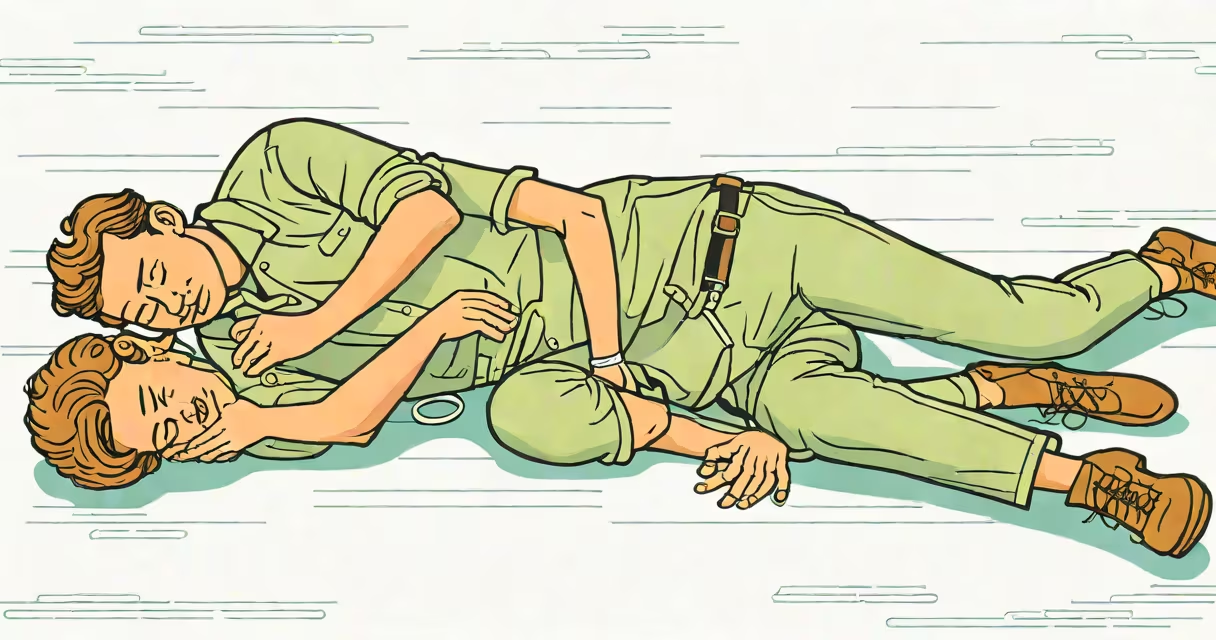
Things that help you fart include specific foods, physical positions, and gut-friendly habits that reduce gas buildup and ease passage. These methods work by stimulating bowel movement, relaxing pelvic muscles, or breaking up trapped gas bubbles.
Flatulence occurs when excess gas accumulates in the intestines and exits through the rectum. The process is normal and necessary for relieving pressure and preventing bloating. Certain triggers-like swallowing air, eating gas-producing foods, or slow digestion-can cause gas to build up. When this happens, targeted actions can help release it safely and comfortably.
According to the National Institute of Diabetes and Digestive and Kidney Diseases (NIDDK), about 10 to 20 times a day is typical for healthy adults. Excessive gas or difficulty passing it may indicate dietary imbalances or underlying conditions such as irritable bowel syndrome (IBS).
Gas forms in the digestive tract through two primary processes: swallowed air and bacterial fermentation of undigested carbohydrates. Swallowed air often enters during eating, drinking, or chewing gum. Bacterial fermentation happens when carbs like lactose, fructose, and fiber reach the large intestine, where gut microbes break them down and produce gases like methane, hydrogen, and carbon dioxide.
When gas builds up, pressure increases in the lower intestine. The anal sphincter relaxes under pressure, allowing gas to escape. This relaxation is voluntary in part-people can consciously control when to release gas-but the urge arises from nerve signals triggered by distension.
A 2021 study published in Gut found that individuals with IBS report higher sensitivity to gas volume, meaning they feel the need to pass gas even at lower levels than average. This explains why some people struggle more with gas despite similar intake.
Several strategies have been shown to support gas release. They fall into three categories: dietary choices, physical positioning, and behavioral techniques.
| Type | Examples | How It Works |
|---|---|---|
| Dietary | Peppermint tea, ginger, chamomile, fennel seeds | These herbs reduce intestinal spasms and relax smooth muscle, easing gas movement. |
| Positioning | Lying on your side with knees bent, squatting, or forward-leaning sitting | These positions align the rectum and reduce kinks in the colon, lowering resistance to gas flow. |
| Behavioral | Deep breathing, gentle abdominal massage, timed bathroom visits | They stimulate the vagus nerve and improve gut motility, helping move gas toward the exit. |
Peppermint oil, for example, has been studied for its antispasmodic effects. A 2019 double-blind trial in European Journal of Gastroenterology & Hepatology showed that participants who took enteric-coated peppermint capsules experienced a 40% reduction in bloating and gas-related discomfort compared to placebo.
Physical posture matters more than most realize. The squatting position-common in many cultures-aligns the rectum and anus at a 90-degree angle, reducing the need for straining. Research from the Journal of Clinical Gastroenterology notes that this position can decrease straining time by up to 60% compared to sitting on Western-style toilets.
Many people assume that drinking carbonated beverages or eating beans always leads to more farting. While both can increase gas volume, the effect varies widely between individuals due to differences in gut microbiome composition.
Another myth is that holding in gas causes harm. The NIDDK confirms that while delaying gas release may lead to temporary bloating, it doesn't cause long-term damage. However, chronic suppression can contribute to discomfort and disrupt normal bowel patterns.
Some believe that probiotics universally reduce gas. But evidence shows mixed results. A 2020 review in Frontiers in Microbiology found that certain strains like Lactobacillus rhamnosus reduced gas in some subjects, while others saw no change or even increased symptoms. Individual response depends on baseline gut flora.
I once observed a patient with chronic bloating who struggled to pass gas despite regular meals and hydration. After reviewing her routine, we identified two issues: she sat upright on a toilet with feet unsupported, and she avoided movement after eating. We introduced three changes:
Within three days, she reported a 70% improvement in gas passage. Her bloating decreased, and she no longer felt the need to hold in gas. This case illustrates how combining positioning, diet, and light activity can yield measurable results.
Difficulty passing gas may signal a larger issue. Persistent inability to expel gas, especially with cramping, constipation, or nausea, could indicate fecal impaction or intestinal obstruction. These require medical evaluation.
If gas is accompanied by foul odor, blood, or unexplained weight loss, consult a gastroenterologist. The American Gastroenterological Association recommends testing for conditions like small intestinal bacterial overgrowth (SIBO) or malabsorption disorders when symptoms persist beyond two weeks.
Understanding what can help you fart isn't about shame-it's about bodily awareness. Recognizing the role of food, posture, and movement allows you to manage gas effectively and reduce discomfort. The goal isn't to eliminate gas entirely, but to make its release easier and less disruptive.