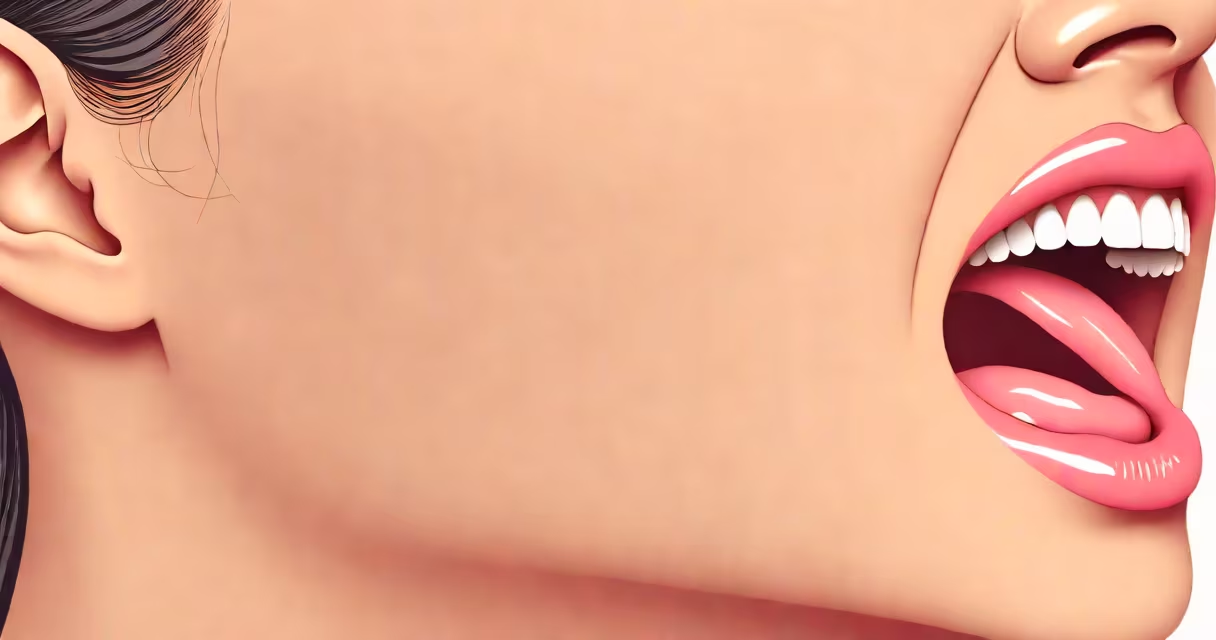
A lisp is a speech disorder characterized by the mispronunciation of sibilant sounds-primarily /s/ and /z/-due to incorrect placement of the tongue or airflow during speech. It occurs when the tongue touches or blocks the roof of the mouth in a way that alters airflow, resulting in a hissing or slurred sound.
Lisps are not simply "bad habits" or laziness in speech. They stem from physical, neurological, or developmental factors that affect how the brain coordinates muscle movements for precise articulation. The most common form is the interdental lisp, where the tongue protrudes between the front teeth, producing a "th" sound instead of "s." This type of lisp affects about 1% of children and often resolves by age 6, according to the American Speech-Language-Hearing Association (ASHA).
Other types include the lateral lisp, where air escapes around the sides of the tongue, and the dentalized lisp, where the tongue presses against the back of the upper teeth. These variations reflect different underlying mechanisms, from structural differences in oral anatomy to motor control challenges.
The primary cause of a lisp lies in the coordination between the brain's motor cortex and the muscles involved in speech production. When neural pathways responsible for fine motor control of the tongue and lips are underdeveloped or disrupted, accurate articulation becomes difficult. This is especially common in young children whose nervous systems are still maturing.
Anatomical differences play a direct role. A high-arched palate, unusually small or large tongue, or a tongue-tie (ankyloglossia)-where the lingual frenulum restricts tongue movement-can physically prevent proper tongue positioning. A 2021 study published in *The Journal of Pediatrics* found that infants with tongue-tie were 2.3 times more likely to develop persistent articulation errors, including lisps, by age 5.
Environmental factors also influence development. Children exposed to inconsistent language models-such as caregivers who frequently mispronounce /s/ sounds-are more likely to adopt similar patterns. This is not imitation as behavior, but rather a failure of auditory feedback loops that help refine speech over time.
Not all lisps are the same. Understanding the specific type helps identify the root cause and appropriate intervention.
| Type | Sound Produced | Primary Cause | Prevalence |
|---|---|---|---|
| Interdental | "th" instead of "s" or "z" | Tongue protrusion between front teeth | Most common in children; resolves in 70% by age 6 |
| Lateral | Hissing sound with air escaping sideways | Tongue positioned too far to the side | Rare; often linked to cleft palate or neurological delay |
| Dentalized | "s" pronounced with tongue touching upper teeth | Abnormal tongue resting position | Common in individuals with crowded teeth or high palate |
One key distinction often missed is that not all lisps are developmental. Some persist into adulthood due to untreated structural issues. For example, a child with a tight lingual frenulum may continue to struggle with /s/ sounds past age 7, even with normal hearing and cognitive function. Early assessment by a speech-language pathologist can detect such cases before compensatory patterns become entrenched.
Many assume lisps result from poor speech modeling or lack of effort. This is incorrect. Research from the National Institute on Deafness and Other Communication Disorders (NIDCD) shows that 85% of children with persistent lisps have no family history of speech disorders, indicating biological origins rather than learned behavior.
Another myth is that lisps disappear on their own. While many children outgrow mild interdental lisps, those tied to structural anomalies rarely resolve without intervention. A 2019 longitudinal study tracked 120 children with persistent lisps through adolescence. Only 14% showed spontaneous resolution beyond age 8. The rest required speech therapy or surgical correction.
There's also confusion between lisps and other speech sound disorders. A lisp specifically affects sibilants (/s/, /z/, /ʃ/, /ʒ/). Other disorders, like phonological delays or apraxia of speech, involve broader patterns of sound substitution or sequencing errors. Confusing them leads to ineffective treatment.
In 2022, a 9-year-old boy named Mateo was referred to a pediatric speech clinic after teachers reported difficulty understanding his reading aloud. He consistently substituted /s/ with a "th" sound-"thun" for "sun," "thip" for "sip." His parents noted he had always been a late talker and had trouble with words ending in /s/.
Upon evaluation, the clinician observed a pronounced interdental lisp. An oral-motor exam revealed normal tongue strength and range of motion, but the child habitually pushed his tongue forward during sibilant production. Audiometry confirmed normal hearing. MRI scans ruled out neurological abnormalities.
After six months of targeted speech therapy focusing on tongue repositioning and auditory discrimination exercises, Mateo achieved 95% accuracy in /s/ and /z/ production. Follow-up testing at 12 months showed sustained improvement. His teacher reported increased classroom participation and confidence.
This case illustrates that while some lisps resolve naturally, others require structured intervention. Early diagnosis prevents long-term academic and social impacts.
Parents should consult a speech-language pathologist if a child continues to mispronounce /s/ and /z/ sounds after age 5. Persistent lisps can interfere with literacy development, as these sounds appear in over 1,200 common English words, including "school," "house," and "buses."
For adults, a lisp may indicate an underlying condition such as cerebral palsy, stroke, or traumatic brain injury. In these cases, the lisp results from disrupted motor control rather than developmental delay. A neurologist or ENT specialist may be needed alongside speech therapy.
Speech therapy typically involves exercises to improve tongue placement, breath control, and auditory feedback. Techniques like the "tongue tip touch" method-where the child places the tip of the tongue behind the upper front teeth-help retrain motor patterns. Success rates exceed 80% in children who begin therapy before age 8.
As with many conditions affecting communication, early action improves outcomes. Delaying care increases the risk of social withdrawal, academic struggles, and reduced self-esteem. The American Speech-Language-Hearing Association emphasizes that intervention before age 7 yields the highest success rate.
Understanding what causes people to have a lisp begins with recognizing it as a physiological and developmental issue-not a behavioral flaw. Identifying the correct type and cause enables effective treatment. For persistent cases, timely referral to a specialist ensures lasting progress.