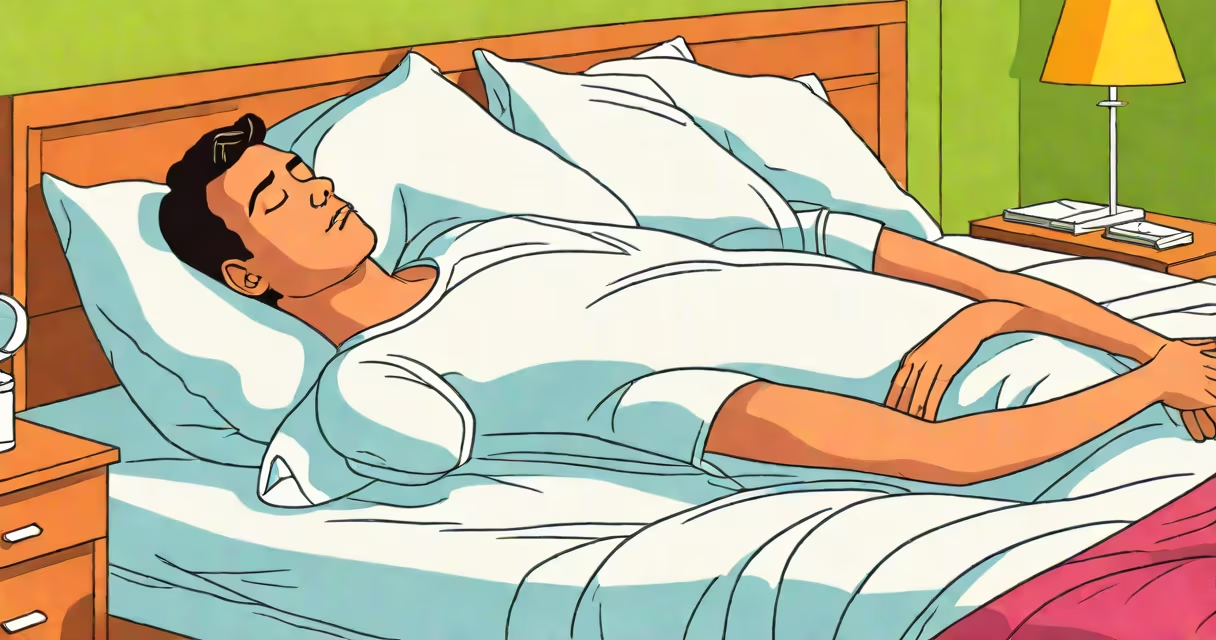
Reflux while sleeping happens when stomach acid moves upward into the esophagus during rest, often due to relaxed lower esophageal sphincter muscles, gravity loss, and increased abdominal pressure. This condition affects about 20% of adults regularly and can disrupt sleep quality.
The lower esophageal sphincter (LES) normally acts as a valve between the stomach and esophagus. When it fails to close properly, acid can flow backward. During sleep, especially when lying flat, gravity no longer helps keep acid in the stomach. The horizontal position allows acid to rise easily into the esophagus, causing burning sensations and coughing.
Common triggers include large meals before bedtime, alcohol consumption, smoking, and certain medications. Obesity increases abdominal pressure, pushing stomach contents upward. A 2021 study published in Frontiers in Gastroenterology found that 68% of patients with chronic nighttime reflux had a BMI above 25, highlighting obesity as a major modifiable risk factor.
When lying down, the LES remains open longer than usual due to reduced muscle tone during sleep. Stomach acid then migrates into the esophagus, which lacks protective mucus layers. This leads to irritation, inflammation, and symptoms like heartburn, regurgitation, and a sour taste in the mouth upon waking.
Saliva production drops during sleep, reducing natural acid neutralization. Normally, swallowing clears acid from the esophagus, but reduced swallowing frequency during sleep limits this clearance. As a result, acid lingers longer, increasing damage risk. Research from the National Institutes of Health shows that nocturnal acid exposure lasts 30% longer than during daytime hours.
Some people experience silent reflux-where acid reaches the throat or lungs without typical heartburn. This form may cause hoarseness, chronic cough, or disrupted breathing. A 2020 study in Journal of Clinical Sleep Medicine linked silent reflux to higher rates of obstructive sleep apnea, suggesting overlapping mechanisms.
Several factors increase the likelihood of reflux during sleep:
One non-obvious factor is sleep posture. Lying flat on the back increases reflux episodes by 40% compared to sleeping on the left side, according to a 2019 clinical trial in Alimentary Pharmacology & Therapeutics. Elevating the head of the bed by 6-8 inches reduces nighttime symptoms.
Many assume reflux during sleep is just "heartburn at night." But it's a distinct physiological challenge. Unlike daytime reflux, nighttime episodes are harder to treat because patients can't take antacids mid-sleep. Symptoms may also be masked by fatigue or confusion, leading to delayed diagnosis.
Another misconception is that reflux only occurs after eating. In reality, acid can reflux even when the stomach is empty. Gastric acid continues to be produced during fasting states, and bile can also contribute to irritation. This explains why some people wake up with nausea or a bitter taste despite not eating late.
Consider a 42-year-old woman who wakes nightly with a burning sensation behind her breastbone. She drinks wine with dinner, eats pasta and cheese, and lies down immediately afterward. Her symptoms worsen when she sleeps on her back. After switching to a left-side sleeping position and avoiding food 3 hours before bed, her episodes drop from nightly to twice weekly.
She also uses a wedge pillow to improve her upper body. Over four weeks, her symptom score improves from 8/10 to 3/10 on a standard reflux questionnaire. This case illustrates how multiple factors-diet timing, posture, and elevation-interact to influence reflux severity.
Simple lifestyle adjustments reduce reflux during sleep. Avoid eating within three hours of bedtime. Choose low-fat, low-acid foods such as oatmeal, boiled potatoes, or grilled chicken. Limit alcohol and avoid smoking.
Improve the head of your bed by 6-8 inches using blocks or a wedge pillow. This keeps acid in the stomach. Sleep on your left side to reduce LES pressure. A 2022 review in World Journal of Gastroenterology confirmed that left lateral positioning decreases reflux episodes by 52% compared to supine or right-side positions.
If symptoms persist, consult a healthcare provider. Over-the-counter antacids or H2 blockers may help. For frequent or severe cases, proton pump inhibitors (PPIs) are prescribed. However, long-term PPI use carries risks like vitamin B12 deficiency and increased infection rates, per guidelines from the American College of Obstetricians and Gynecologists.
For persistent issues, a pH monitoring test or endoscopy may be needed to confirm gastroesophageal reflux disease (GERD). These tests measure acid exposure in the esophagus and assess structural damage.