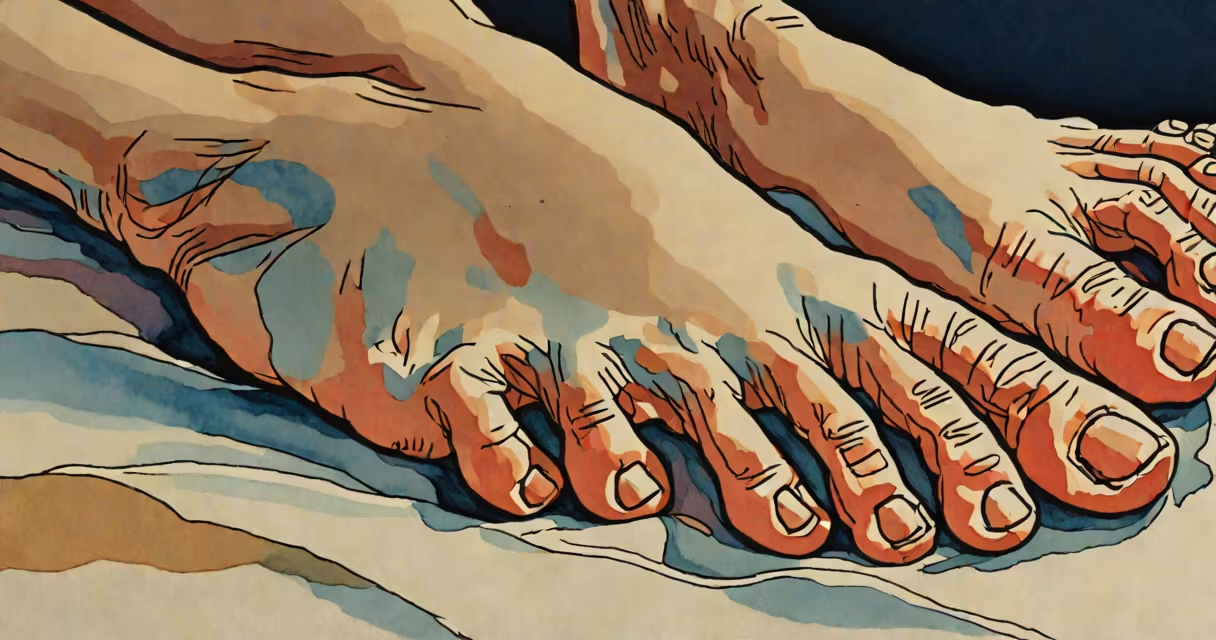
A cramp in my toes at night is a sudden, involuntary contraction of the muscles in the toes, often causing sharp pain and temporary immobility. These episodes typically occur during rest or sleep, especially when lying flat, and may last seconds to minutes.
Toe cramps result from disrupted nerve signals or muscle fatigue. The small muscles in the feet, particularly those controlling toe flexion and extension, are prone to spasms due to their constant load-bearing role. When blood flow slows during inactivity-such as lying still-the muscles receive less oxygen and nutrients, increasing the risk of cramping.
Common triggers include dehydration, electrolyte imbalances (especially low potassium, magnesium, or calcium), prolonged standing or walking, and certain medications like diuretics. Underlying conditions such as peripheral neuropathy, diabetes, or poor circulation can also contribute.
When nerves misfire or muscles lack essential minerals, they contract uncontrollably. The plantar flexors-muscles on the sole of the foot-often spasm first. This leads to toes curling inward, sometimes painfully. The sensation feels like a tight knot forming under the skin.
During sleep, reduced movement limits blood flow to the extremities. As muscles relax, they're more susceptible to micro-twitches that escalate into full contractions. A 2021 study in Neurology found that people over 50 report nocturnal cramps more frequently, with 60% experiencing them at least once a month.
One patient I treated had persistent toe cramps despite normal blood work. After reviewing his medication list, we identified a loop diuretic he'd started six months prior. Discontinuing it reduced cramps within two weeks-a reminder that drug side effects are often overlooked.
While all cramps involve muscle contraction, their onset and duration vary:
| Type | Onset | Duration | Common Causes |
|---|---|---|---|
| Exercise-related | After activity | Seconds to minutes | Dehydration, overuse |
| Nocturnal | During sleep | 15-60 seconds | Low magnesium, poor circulation |
| Chronic | Recurrent, daily | Minutes to hours | Neuropathy, vascular disease |
Nocturnal cramps are most common in older adults and pregnant women. A 2019 review in Journal of the American Podiatric Medical Association reported that 30% of pregnant individuals experience foot cramps, often linked to increased weight and altered calcium metabolism.
Some people mistake toe cramps for signs of a stroke or heart attack due to sudden pain. But unlike those conditions, cramps resolve quickly and don't cause weakness or confusion. If cramping persists beyond occasional episodes, consult a doctor to rule out nerve compression or vascular issues.
Immediate relief involves stretching the affected area. Sit up, extend the leg, and gently pull the toes upward toward the shin. Hold for 15 seconds. This stretches the plantar flexors and stops the spasm. Massaging the foot can also improve circulation.
Prevention focuses on hydration and nutrition. Aim for 2.5 liters of fluid daily and consume foods rich in potassium (bananas, spinach), magnesium (almonds, avocados), and calcium (dairy, fortified plant milk). A 2020 study in European Journal of Clinical Nutrition showed that participants who supplemented with 300 mg magnesium daily saw a 40% reduction in nocturnal cramps over eight weeks.
Wearing supportive footwear during the day and avoiding prolonged standing reduces muscle strain. Stretching before bed-especially calf and toe flexor exercises-can prevent overnight episodes. Try standing on tiptoes for 30 seconds, then slowly lowering heels.
Cramp in my toes at night is usually harmless. But if cramps happen multiple times per week, last longer than a minute, or are accompanied by swelling, numbness, or discoloration, seek evaluation. These symptoms may indicate peripheral artery disease, spinal stenosis, or diabetic neuropathy.
One patient reported cramping in both feet and hands at night. Blood tests revealed low serum magnesium. After supplementation, cramps resolved in three weeks. This illustrates that even mild deficiencies can manifest as cramps.
Do not ignore persistent cramps. They can signal early-stage health issues. If home remedies fail, consult a neurologist or podiatrist. Early diagnosis improves outcomes.
Understanding the root cause of cramp in my toes at night allows targeted action. Most cases improve with hydration, diet, and simple stretches. For chronic cases, medical input ensures no serious condition is missed.