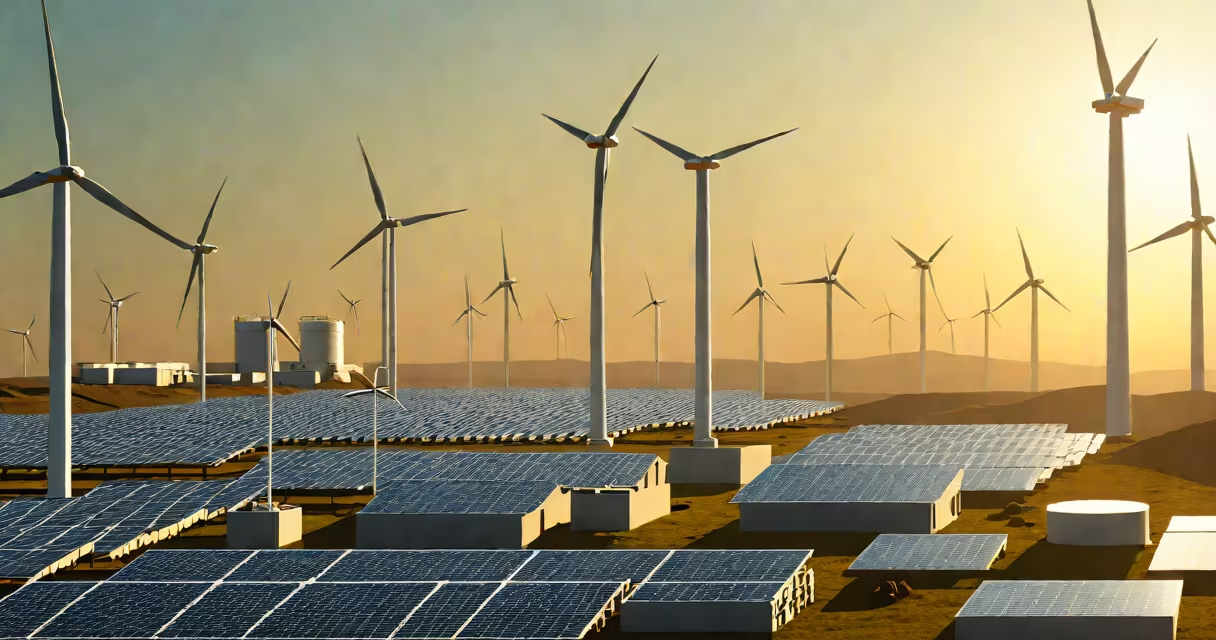
Renewable energy comes from sources that naturally replenish within a human lifetime, such as sunlight, wind, and flowing water. Nonrenewable energy comes from finite resources that take millions of years to form and cannot be replaced once used, like coal, oil, and natural gas.
Renewable sources regenerate continuously. Sunlight hits Earth every day. Wind forms from temperature differences in the atmosphere. Rivers flow due to rainfall and snowmelt. These processes occur regardless of human activity. The sun will shine for another 5 billion years. Wind will blow as long as the planet rotates and heats unevenly. Water cycles through evaporation, condensation, and precipitation.
Nonrenewable sources are limited by geological timescales. Coal forms from ancient plant matter buried under sediment over 300 million years. Oil develops from marine microorganisms trapped in layers of rock, compressed and heated over tens of millions of years. Natural gas accumulates alongside oil deposits. Once extracted and burned, these materials do not return during a human lifespan. The U.S. Energy Information Administration reports global oil reserves at about 1.7 trillion barrels, which at current consumption rates would last roughly 50 years.
Renewable energy systems convert natural flows into usable electricity or heat. Solar panels use photovoltaic cells to turn sunlight into direct current. Wind turbines spin blades with moving air, driving generators. Hydropower plants channel river flow through turbines. Geothermal plants tap underground steam or hot water to drive turbines. These systems operate with minimal ongoing fuel input beyond maintenance.
Nonrenewable energy relies on combustion. Coal is crushed and burned in power plants to produce steam that turns turbines. Oil is refined into gasoline, diesel, and jet fuel, then combusted in engines. Natural gas is burned in power plants or home heaters. Each process releases carbon dioxide and other pollutants. The Intergovernmental Panel on Climate Change (IPCC) states that burning fossil fuels accounts for over 75% of global CO₂ emissions since 1750.
A key distinction lies in scalability and consistency. Solar and wind depend on weather and time of day. A solar farm produces no electricity at night. A wind turbine generates nothing during calm periods. Storage systems like batteries or pumped hydro help bridge gaps. Fossil fuel plants run continuously, providing baseload power. This reliability makes them central to grids even as renewables grow.
The table below outlines major categories and their characteristics.
| Type | Source | Replenishment Time | Common Uses |
|---|---|---|---|
| Solar | Sunlight | Continuous (daily) | Electricity, heating, water purification |
| Wind | Atmospheric movement | Constant (weather-dependent) | Grid electricity, offshore farms |
| Hydroelectric | Flowing water | Annual cycle (rainfall dependent) | Power generation, flood control |
| Geothermal | Earth's internal heat | Millions of years (but constant) | Heating, electricity in volcanic zones |
| Coal | Carbon-rich sediment | Millions of years | Electricity, steel production |
| Oil | Organic remains in rock | Millions of years | Fuel, plastics, lubricants |
| Natural Gas | Subsurface deposits | Millions of years | Heating, electricity, industrial feedstock |
Some sources blur the lines. Biofuels like ethanol from corn or biodiesel from soybeans are technically renewable because crops regrow yearly. But they compete with food production and require land, water, and fertilizers. The U.S. Department of Agriculture notes that growing corn for ethanol uses 1.5 gallons of water per gallon of fuel. This trade-off raises sustainability concerns despite renewability.
People often assume all green energy is renewable. That's incorrect. Biomass burning-wood, crop waste, or animal manure-is classified as renewable by many agencies, including the International Energy Agency. However, burning biomass still releases CO₂. If forests are cleared to grow biofuel crops, net emissions may rise. The IPCC warns that large-scale biomass use without strict carbon accounting risks worsening climate change.
Another myth is that renewable energy is always cheaper. While solar and wind have dropped in cost-down 89% and 70% respectively since 2010, according to Lazard's Levelized Cost of Energy Analysis-the infrastructure needed to support them adds expense. Grid upgrades, battery storage, and transmission lines increase upfront investment. A 2022 study in Nature Energy found that integrating high levels of variable renewables into grids can raise system costs by 20-30% without proper planning.
I once observed a rural community in Oregon install solar panels on school rooftops. The project reduced local electricity bills by 40%. But during winter months with short days and frequent cloud cover, the system produced less than half its average output. Backup generators ran on diesel during prolonged low-output periods. This showed that even renewable systems need complementary technologies to ensure reliability.
Energy choices affect climate, health, and economies. Burning fossil fuels emits greenhouse gases that trap heat. The World Health Organization estimates 7 million premature deaths annually from air pollution linked to fossil fuel combustion. Renewable sources emit little to no CO₂ during operation. Switching to renewables reduces these impacts over time.
Resource depletion is another factor. The U.S. Geological Survey tracks mineral use for clean tech. Lithium, cobalt, and nickel-all essential for batteries-face rising demand. Mining these materials can cause environmental damage and human rights issues in producing regions. This shows that renewability doesn't guarantee sustainability. Responsible sourcing and recycling are critical.
Understanding what renewable and nonrenewable mean guides better decisions. It informs policy, personal choices, and business strategies. For example, choosing solar panels over a new gas furnace reduces long-term emissions. Supporting grid investments in storage and smart controls improves renewable integration. Knowing the full picture prevents oversimplification.