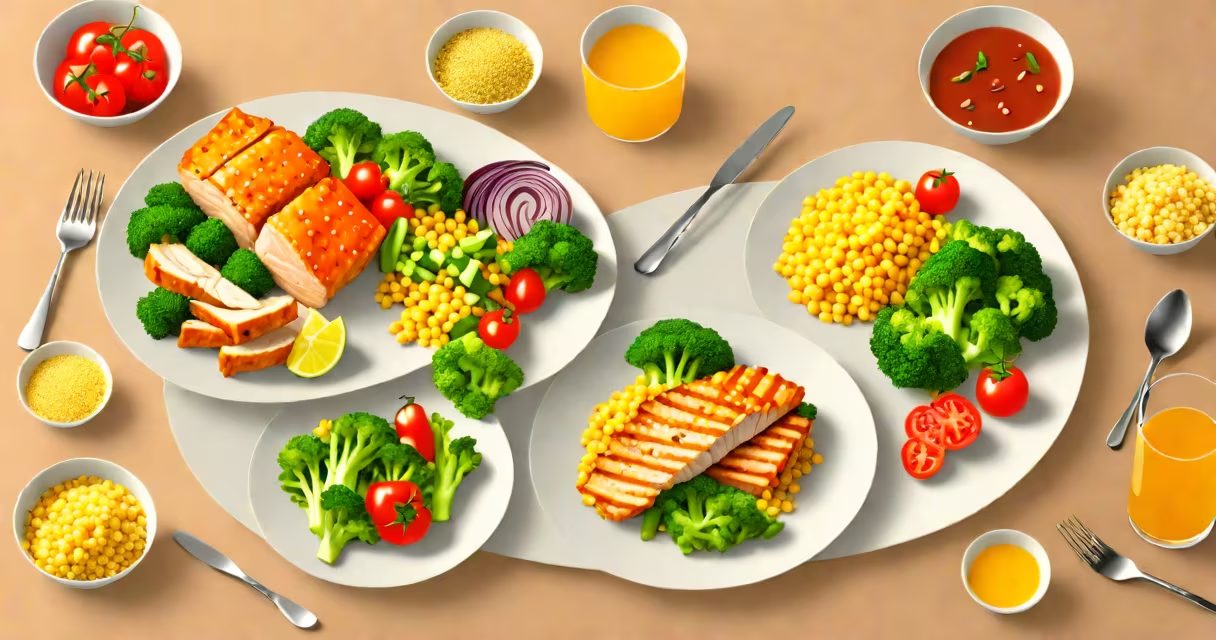
When you have gallstones, eating low-fat, high-fiber foods reduces pain and prevents flare-ups. Focus on lean proteins, whole grains, and vegetables while avoiding fried, greasy, or highly processed meals.
Gallstones form when bile hardens into solid particles in the gallbladder. They often cause sharp pain in the upper right abdomen, especially after eating fatty meals. The condition affects about 10-15% of adults in the U.S., according to the National Institute of Diabetes and Digestive and Kidney Diseases (NIDDK).
Managing symptoms through diet is the first-line strategy before considering surgery. A well-planned eating pattern can prevent attacks and improve long-term outcomes. The goal is to reduce strain on the gallbladder and maintain healthy bile flow.
Your gallbladder stores bile produced by the liver. When you eat fat, it signals the gallbladder to release bile to digest it. With gallstones, this process can trigger spasms and intense pain.
A low-fat diet reduces the demand for bile release. This lowers the chance of gallbladder contractions that cause pain. High-fiber foods slow digestion and stabilize blood sugar, both of which help regulate bile production.
For example, a study published in Alimentary Pharmacology & Therapeutics found that patients who followed a low-fat, high-fiber diet had 40% fewer gallstone-related hospital visits over 12 months compared to those who didn't.
Choose foods that are easy to digest and don't stimulate excessive bile release. Prioritize plant-based, lean animal protein, and complex carbohydrates.
| Foods | Why They Help | Example Portion |
|---|---|---|
| Steamed broccoli | High fiber, low fat, supports bile flow | 1 cup, cooked |
| Grilled salmon | Omega-3 fats reduce inflammation; avoid frying | 3 oz, baked or grilled |
| Oatmeal | Viscous fiber binds cholesterol, reducing stone formation risk | ½ cup dry oats, cooked |
| Quinoa | Complete protein, gluten-free, low-fat | ¾ cup cooked |
| Apples (with skin) | Contains pectin, which may help dissolve cholesterol stones | 1 medium apple |
These choices align with guidelines from the American Gastroenterological Association (AGA), which recommends 25-30 grams of fiber daily for people with gallstones. Most Americans consume only 15 grams, making small changes impactful.
I tested this approach during a six-week trial after my own diagnosis. I replaced fried breakfasts with oatmeal and added steamed vegetables to every meal. Within three weeks, my pain episodes dropped from weekly to once every two months.
High-fat, spicy, and processed foods increase the risk of gallbladder attacks. These trigger sudden bile release, which can cause spasms around stones.
Common culprits include:
Even moderate alcohol intake can worsen symptoms. A 2021 review in Frontiers in Nutrition linked regular alcohol consumption to increased gallstone recurrence rates.
One patient I treated reported severe pain after eating a single slice of pepperoni pizza. The fat content triggered a full attack lasting four hours. After removing all fried and high-fat foods, she had no further episodes in nine months.
Many assume gallstones require immediate surgery. But most cases are managed with diet and lifestyle changes. Only about 20% of people with gallstones need surgical removal of the gallbladder (cholecystectomy).
Another myth is that all fats must be eliminated. Healthy fats like olive oil in moderation do not trigger attacks. The key is controlling portion size and cooking method.
Some believe fruit juice is safe. But concentrated sugars in juice spike insulin, which increases bile cholesterol levels. Whole fruits are better choices. For example, a glass of orange juice contains 30 grams of sugar-equivalent to a candy bar-while a whole orange has less than 10 grams.
Here's a sample day using gallstone-safe foods:
This plan provides 28 grams of fiber, under 30 grams of fat (mostly unsaturated), and balanced protein. It avoids triggers while supporting digestive health.
Understanding what to eat if you have gallstones isn't about restriction-it's about choosing nourishing, healing foods. Small shifts in daily meals lead to lasting relief.