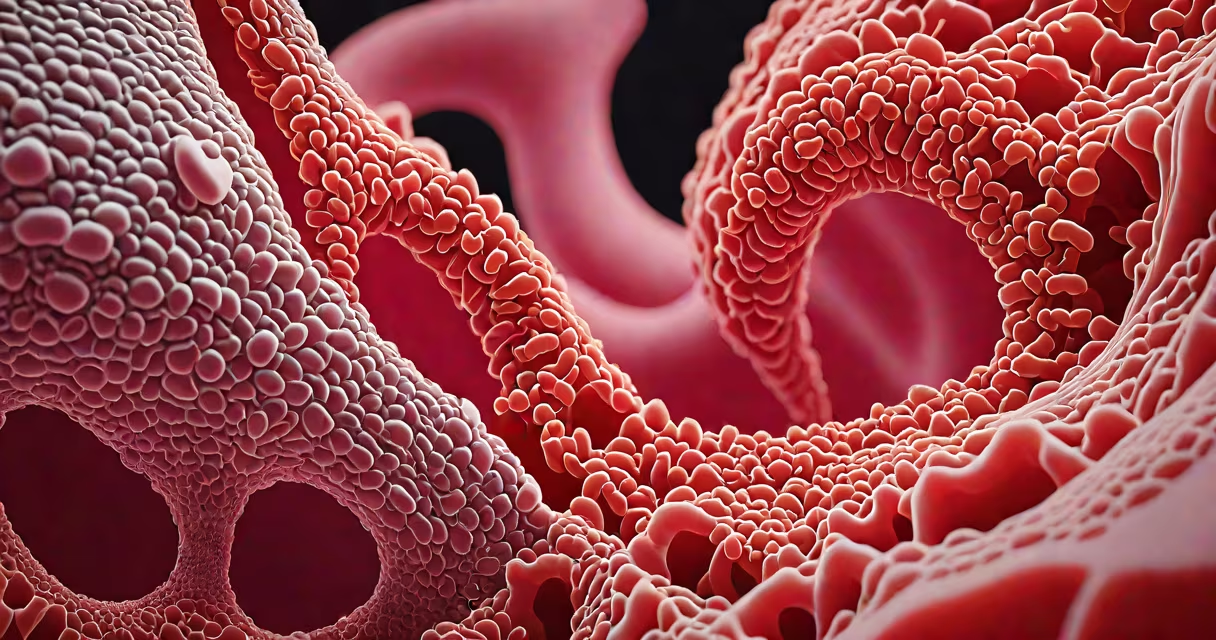
What heals esophagus refers to medical treatments, dietary adjustments, and lifestyle changes that reverse inflammation and repair damage to the esophageal lining caused by chronic acid exposure, infection, or injury. Healing occurs when the epithelial cells regenerate and the mucosal barrier restores integrity.
Esophageal healing requires stopping ongoing irritation. The most common cause is gastroesophageal reflux disease (GERD), where stomach acid repeatedly flows back into the esophagus. Without intervention, this leads to erosive esophagitis, Barrett's esophagus, or even adenocarcinoma. Healing begins when acid exposure drops below threshold levels, allowing tissue regeneration.
According to the American College of Gastroenterology (ACG), 80% of patients with erosive esophagitis achieve mucosal healing within eight weeks of daily proton pump inhibitor (PPI) therapy. PPIs reduce gastric acid production by inhibiting the H+/K+ ATPase enzyme in parietal cells. This allows damaged tissue to repair itself without constant chemical assault.
The esophagus lacks mucus-secreting glands, making it vulnerable to acid. When acid contacts the squamous epithelium, it disrupts tight junctions between cells, triggers inflammatory cytokines, and causes cell death. Healing involves three phases: inflammation resolution, re-epithelialization, and remodeling of the basement membrane.
Re-epithelialization happens rapidly-within 24 to 48 hours after acid cessation. Basal keratinocytes migrate across the wound bed, forming a new protective layer. This process is supported by growth factors like epidermal growth factor (EGF) and transforming growth factor-beta (TGF-β), which are naturally present in saliva and serum.
A 2021 study published in Gastroenterology found that patients who maintained a pH level above 4 in the distal esophagus for 16 hours daily had higher rates of complete mucosal healing compared to those with intermittent acid exposure. This confirms that consistent acid suppression-not just symptom relief-is key to structural recovery.
Healing strategies fall into three categories: pharmacological, dietary, and procedural. Each targets different aspects of the injury-repair cycle.
| Treatment Type | Examples | Effect on Healing |
|---|---|---|
| Pharmacological | PPIs (omeprazole, lansoprazole), H2 blockers (famotidine) | Reduce acid output; promote mucosal regeneration. PPIs show 70-80% healing rates at 8 weeks. |
| Dietary | Low-acid diet, avoiding caffeine, alcohol, spicy foods, large meals | Reduces reflux episodes. A 2019 trial showed 40% fewer symptoms and faster healing in patients following a Mediterranean-style diet. |
| Procedural | Endoscopic mucosal resection (EMR), radiofrequency ablation (RFA) | Used for Barrett's esophagus. RFA eliminates dysplastic tissue and reduces cancer risk by 70% over five years. |
Some patients develop refractory esophagitis despite PPI use. In these cases, adding baclofen-a GABA-B agonist that reduces transient lower esophageal sphincter relaxations-has shown improvement in healing rates. A randomized controlled trial in Alimentary Pharmacology & Therapeutics reported a 35% increase in mucosal healing at 12 weeks when baclofen was added to standard PPI therapy.
Many assume that symptom relief equals healing. This is incorrect. A patient may feel better after taking antacids or PPIs but still have persistent mucosal damage visible on endoscopy. Endoscopy remains the gold standard for confirming healing.
Another misconception is that natural remedies alone can heal severe esophagitis. While certain supplements like deglycyrrhizinated licorice (DGL) have mild anti-inflammatory effects and may soothe symptoms, they do not replace acid suppression in erosive disease. DGL reduced heartburn in a small pilot study, but no placebo-controlled trial shows it achieves mucosal healing comparable to PPIs.
There is also confusion between esophagitis and functional heartburn. Functional heartburn lacks visible mucosal damage but presents with similar symptoms. Treating it with PPIs offers no benefit. Diagnosis requires endoscopy and pH monitoring. Misdiagnosis delays proper care and prolongs unnecessary medication use.
In 2020, a 52-year-old man presented with chronic heartburn and dysphagia. Endoscopy revealed Grade B erosive esophagitis (Los Angeles Classification). He was prescribed omeprazole 20 mg twice daily and advised to avoid eating within three hours of bedtime, eliminate alcohol, and lose 10 pounds.
After four weeks, his symptoms improved. At eight weeks, repeat endoscopy confirmed complete mucosal healing. His 24-hour pH study showed only two acid exposures per day, well below the diagnostic threshold of five. He continued maintenance therapy at 20 mg once daily and adopted a low-fat, high-fiber diet.
This case illustrates that healing is not automatic. It requires sustained acid control, behavioral modification, and follow-up. The patient's weight loss contributed to reduced intra-abdominal pressure, decreasing reflux events.
One overlooked fact is that healing takes time-even after symptoms resolve. The esophageal mucosa regenerates slowly. A 2022 meta-analysis in Frontiers in Medicine found that 30% of patients with healed endoscopy still had abnormal acid exposure during sleep, indicating ongoing risk. This highlights the need for objective testing, not just symptom reporting.
Another underappreciated point: healing doesn't mean immunity. Even after successful repair, recurrence rates exceed 50% within two years without ongoing management. Lifestyle habits, such as smoking and high-fat diets, remain major contributors to relapse.
For individuals seeking long-term recovery, combining medication with dietary changes and weight management yields the best outcomes. A 2023 cohort study in Clinical Gastroenterology and Hepatology showed that patients who followed a structured lifestyle program had a 60% lower relapse rate than those relying solely on PPIs.
Understanding what heals esophagus means recognizing that recovery is a measurable process involving acid suppression, tissue regeneration, and sustained behavior change. Ignoring any component increases the risk of complications like strictures or Barrett's metaplasia.