Twelve fluid ounces equal 354.88 milliliters. This conversion applies to liquid volume in the U.S. customary system and is used globally in nutrition facts, recipes, and scientific measurements.
The U.S. fluid ounce is defined as 1/128 of a U.S. gallon, which equates to exactly 29.5735 milliliters. Multiplying 12 by 29.5735 gives 354.882 ml, rounded to 354.88 ml for practical use.
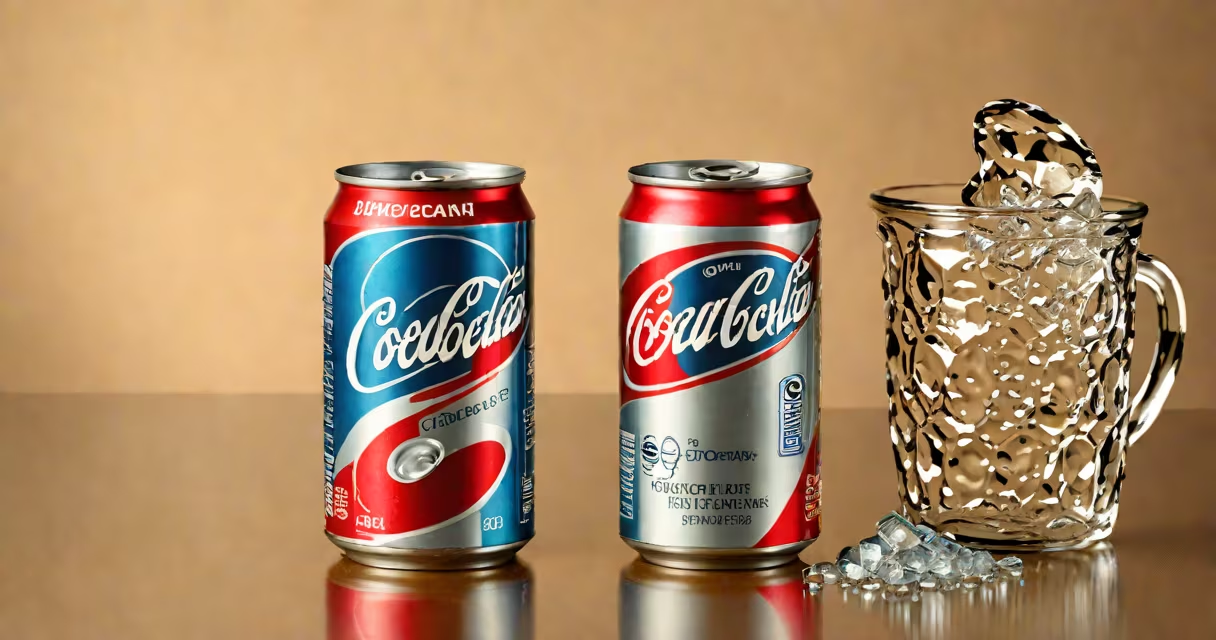
This conversion is essential in contexts requiring precision. For example, a standard soda can in the U.S. holds 12 fluid ounces, or 355 ml, as labeled on packaging. The slight rounding from 354.882 to 355 ml reflects common practice in consumer goods.
Conversion between U.S. fluid ounces and milliliters relies on a fixed ratio: 1 U.S. fluid ounce = 29.5735 mL. This value is standardized by the National Institute of Standards and Technology (NIST).
To convert any amount in fluid ounces to milliliters, multiply by 29.5735. For 12 oz: 12 × 29.5735 = 354.882 mL. Rounding to two decimal places yields 354.88 mL. In most real-world applications, such as food labeling, this is rounded to 355 mL.
Confusion often arises from mixing U.S. fluid ounces with imperial fluid ounces used in the UK. One imperial fluid ounce equals 28.4131 mL, so 12 imperial fluid ounces would be 340.957 mL - less than the U.S. version.
Cooking and baking require accurate volume measurements. A recipe calling for 12 oz of milk or broth uses 354.88 mL. Using a kitchen scale, 12 oz of water weighs approximately 340 grams, but volume differs slightly due to temperature and density.
Beverage manufacturers label containers using both units. A 12 oz beer bottle lists "355 mL" on the side. This standardization ensures clarity across markets and complies with FDA labeling requirements under 21 CFR § 101.9.
In medical settings, dosages may be prescribed in fluid ounces. A patient prescribed 12 oz of oral rehydration solution receives 355 mL. Pharmacists verify this via metric conversion to prevent dosing errors.
There are two primary fluid ounce systems: U.S. customary and imperial. The U.S. fluid ounce is larger than the imperial variant.
| System | Fluid Ounce Size (mL) | 12 oz Equivalent (mL) |
|---|---|---|
| U.S. customary | 29.5735 | 354.88 |
| Imperial (UK) | 28.4131 | 340.96 |
Using the wrong system leads to measurable error. A 12 oz recipe written for U.S. standards but prepared with imperial measures results in a 4% volume difference - enough to affect texture in baked goods.
For example, a cake batter requiring 12 oz of buttermilk will be too thick if measured in imperial fluid ounces. The correct volume is 354.88 mL, not 340.96 mL.
Many assume "12 oz" always means 355 mL. While this is true in U.S. consumer products, it's not universal. International packaging may use different standards based on regional regulations.
Another misconception is that fluid ounces and weight ounces are interchangeable. They are not. Twelve fluid ounces of water weighs about 340 grams, but 12 fluid ounces of honey weighs nearly 450 grams due to higher density. Always use volume-to-volume conversions for liquids.
As someone who once misread a cocktail recipe using imperial fluid ounces, I ended up with a drink twice as strong as intended. That experience taught me to verify the measurement system before converting.
Regulatory bodies enforce strict labeling rules. The U.S. Food and Drug Administration (FDA) requires that volume labels on packaged foods reflect actual contents within a tolerance of ±5%. A 12 oz can must contain between 11.4 and 12.6 fluid ounces, or 337.8 to 373.6 mL.
Manufacturers use the 1 U.S. fl oz = 29.5735 mL standard to ensure compliance. The metric equivalent of 12 oz is therefore fixed at 354.88 mL, with rounding to 355 mL for marketing purposes.
When scaling recipes, especially in commercial kitchens, even small deviations compound. A batch of soup scaled from 12 oz to 100 gallons must maintain consistent ratios. Using 355 mL per 12 oz ensures consistency across production runs.
For reference, a standard 12 oz aluminum can holds exactly 355 mL of liquid. This is confirmed by NIST's calibration standards for beverage containers. The volume is verified during quality control checks at bottling plants.
Twelve fluid ounces equal 354.88 milliliters. This value is derived from the U.S. customary system, where 1 fluid ounce is precisely 29.5735 mL. In everyday use, this rounds to 355 mL. Always confirm whether the context uses U.S. or imperial fluid ounces to avoid errors.
Understanding what is 12 oz in ml ensures accuracy in cooking, science, medicine, and product labeling. The conversion is not approximate - it is mathematically exact and legally binding in regulated industries.