The stomach flu-commonly caused by norovirus-is most contagious during the first 48 hours after symptom onset, particularly while vomiting or diarrhea occur. This period carries the highest viral shedding, making transmission likely through direct contact or contaminated surfaces.
Norovirus spreads rapidly in close-contact environments like schools, nursing homes, and cruise ships. The virus survives on surfaces for days and can be transmitted via aerosolized particles from vomit. Symptoms typically appear within 12 to 48 hours after exposure, peaking around day 1 of illness.
According to the Centers for Disease Control and Prevention (CDC), norovirus accounts for 19-21 million cases annually in the U.S., with outbreaks often concentrated between November and April. This seasonal pattern reflects increased indoor gatherings and reduced ventilation during colder months.
Norovirus spreads primarily through fecal-oral transmission. Infected individuals shed billions of virus particles in stool and vomit. Even a few particles can cause infection. Touching a contaminated surface-like a doorknob or bathroom sink-and then touching your mouth transfers the virus.
Aerosolization occurs when someone vomits. Tiny droplets containing virus can travel up to 6 feet and settle on nearby surfaces. These particles remain infectious for days, even after cleaning with standard household cleaners.
One study published in Emerging Infectious Diseases found that norovirus can persist on stainless steel for up to 14 days and on plastic for 12 days. The virus resists common disinfectants unless treated with bleach-based solutions (at least 1,000 ppm sodium hypochlorite).
While "stomach flu" is a misnomer-flu refers to influenza virus-the term broadly describes acute viral gastroenteritis. The most common causes are norovirus, rotavirus, and adenovirus. Each has distinct transmission dynamics.
| Virus Type | Incubation Period | Peak Contagiousness | Duration of Shedding |
|---|---|---|---|
| Norovirus | 12-48 hours | First 48 hours of symptoms | Up to 2 weeks after recovery |
| Rotavirus | 1-3 days | During diarrhea and vomiting | Up to 10 days in children |
| Adenovirus (types 40/41) | 3-8 days | Throughout illness, including asymptomatic phase | Up to 3 weeks |
Rotavirus is most dangerous in infants under 5 years old. It spreads easily in daycare centers due to poor hand hygiene and shared toys. Adenovirus can be shed before symptoms appear, making containment difficult.
Contrary to popular belief, you're not immune after one bout. Norovirus has over 30 strains. Immunity to one strain doesn't protect against others. This is why outbreaks recur in the same communities.
Many assume the illness is only contagious while symptomatic. But research shows norovirus shedding continues for days after symptoms resolve. A 2018 study in Journal of Infectious Diseases detected viable virus in stool samples up to 14 days post-recovery in 22% of patients.
In 2019, a school outbreak in Ohio involved 47 students and staff. The initial case was a student who returned to class two days after vomiting. Within 48 hours, 32 additional cases were reported. The school's cleaning protocol used quaternary ammonium compounds-ineffective against norovirus. Only switching to bleach-based disinfectant halted further spread.
Another misconception: that handwashing with soap stops transmission. While soap reduces viral load, it doesn't eliminate norovirus. The CDC recommends washing hands for at least 20 seconds with warm water and soap, but this method removes only ~60% of viral particles. Alcohol-based sanitizers are ineffective against norovirus because it lacks a lipid envelope.
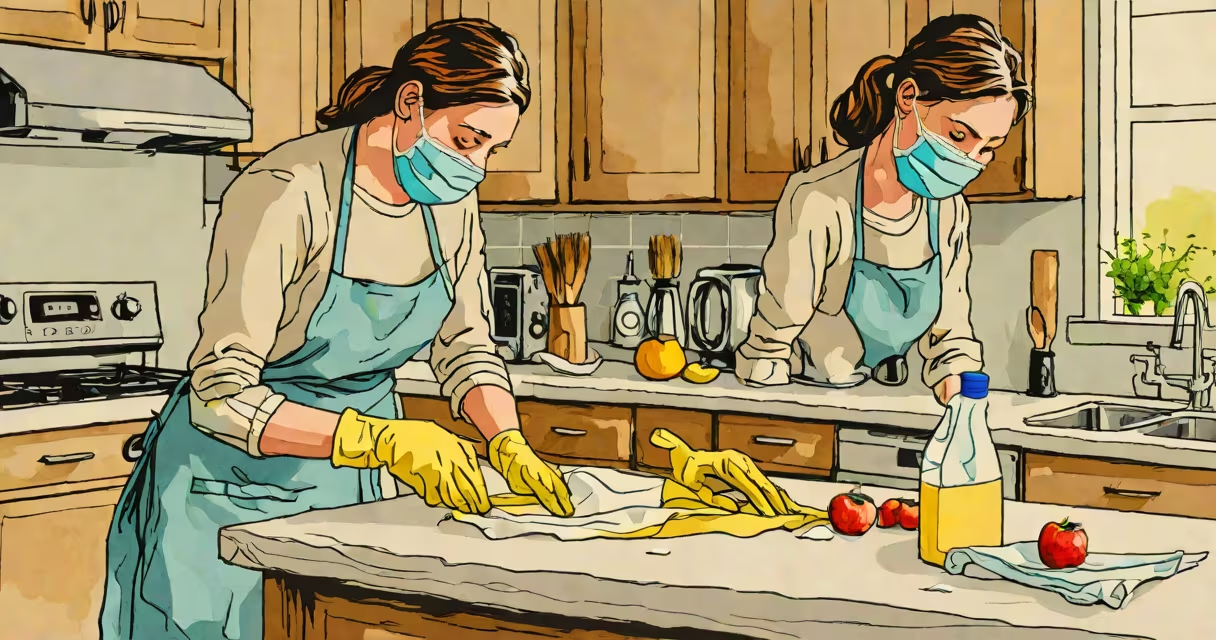
Isolate sick individuals for at least 48 hours after last symptom. Use disposable gloves and masks when cleaning vomit or feces. Disinfect surfaces with a solution of 1 part bleach to 10 parts water. Allow contact time of at least 10 minutes.
Wash clothes and linens in hot water (60°C or higher) and dry on high heat. Avoid sharing towels or utensils. The CDC advises staying home until 48 hours after symptoms cease to reduce community transmission.
I once managed a food service team during a norovirus outbreak at a summer camp. After a camper vomited in the dining hall, we closed the area, evacuated attendees, and disinfected all surfaces with bleach. We also quarantined the affected cabin. No new cases emerged after Day 3. The key was acting within the first hour-viral load drops after 1-2 hours of drying.