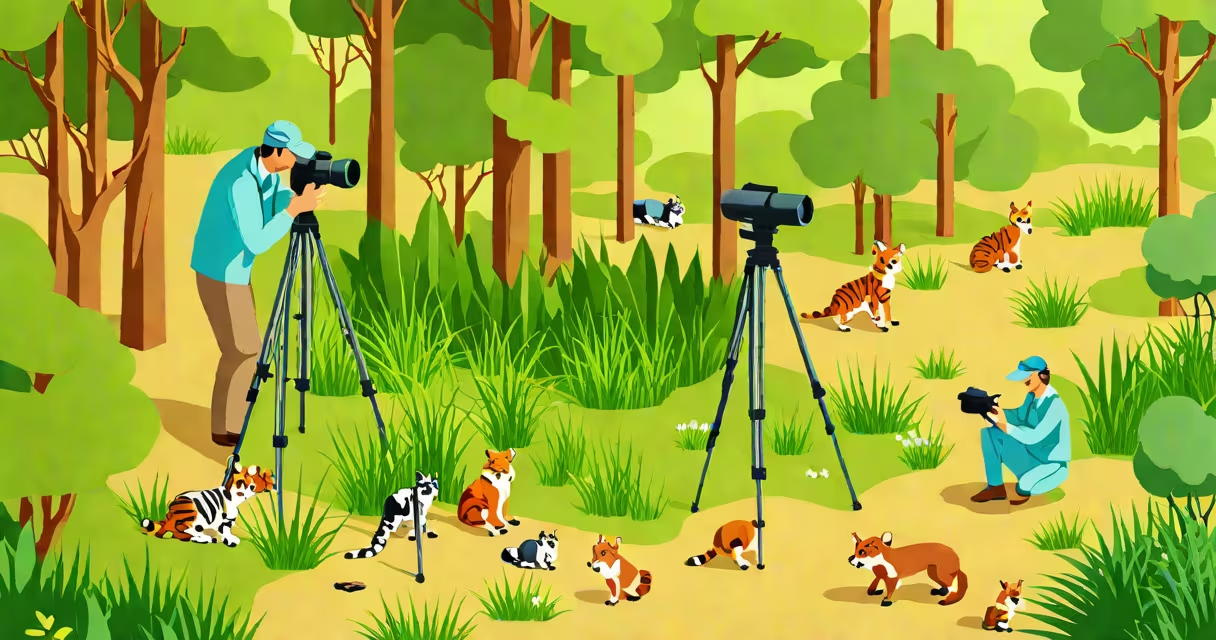
Conservation work involves deliberate, science-driven actions to protect ecosystems, preserve biodiversity, and maintain natural resources for future generations. It combines field research, policy advocacy, and hands-on restoration to reverse environmental degradation.
At its core, conservation work addresses threats like deforestation, pollution, invasive species, and climate change. It's not about preserving nature untouched-it's about managing human impacts to ensure long-term ecological health. For example, reintroducing gray wolves to Yellowstone National Park in 1995 led to measurable recovery of vegetation and river systems, demonstrating how targeted conservation restores entire food webs.
According to the International Union for Conservation of Nature (IUCN), over 38,000 species are currently threatened with extinction. Conservation work directly combats this trend through monitoring, habitat protection, and community engagement. The U.S. Fish and Wildlife Service reports that 99% of species listed under the Endangered Species Act have avoided extinction due to conservation interventions.
Conservation work operates through four key phases: assessment, planning, implementation, and evaluation. Scientists first assess system health using data on species abundance, water quality, soil composition, and land use patterns. This baseline informs a tailored action plan.
For instance, in the Florida Everglades, biologists mapped wetland degradation caused by drainage projects. They then designed a restoration strategy involving controlled water releases to mimic natural flow cycles. Implementation included building water control structures and removing invasive plants like melaleuca trees. Monitoring over 15 years showed a 60% increase in wading bird populations, proving the effectiveness of the intervention.
Evaluation ensures accountability. Data collected during and after projects determine whether goals were met. If a coral reef restoration project fails to see new growth, researchers adjust methods-perhaps changing the type of coral fragments used or adjusting placement depth. This iterative process distinguishes conservation work from static preservation efforts.
Conservation work falls into several categories based on focus area and methodology. The table below outlines major types, their primary tools, and real-world applications.
| Type | Primary Tools & Methods | Example Application |
|---|---|---|
| Habitat Restoration | Replanting native vegetation, removing dams, controlling erosion | Restoring 1,200 acres of degraded prairie in Kansas using seed mixes from local ecotypes |
| Species Protection | Captive breeding, anti-poaching patrols, genetic monitoring | Using drones and AI to track snow leopards in the Himalayas, reducing poaching incidents by 40% |
| Land Use Planning | GIS mapping, zoning regulations, stakeholder workshops | Designating marine protected areas around Palau to safeguard coral reefs and fish stocks |
| Sustainable Resource Management | Rotational harvesting, water-use efficiency, certification programs | Implementing certified sustainable forestry in Sweden, maintaining timber yields while protecting old-growth habitats |
Each type requires specialized training and often interdisciplinary collaboration. Habitat restoration may involve botanists, hydrologists, and local Indigenous leaders. Species protection demands expertise in genetics, animal behavior, and law enforcement. The success of these efforts hinges on integrating scientific rigor with cultural context and policy frameworks.
Conservation work is frequently misunderstood as simply "protecting animals" or "saving forests." While those are outcomes, the process is systematic and evidence-based. A common error is equating passive protection with active conservation. Leaving a forest untouched doesn't qualify as conservation work unless it's monitored and managed to prevent illegal logging or wildfires.
Another misconception is that conservation work only happens in remote wilderness areas. In reality, urban conservation is growing rapidly. Cities like Portland, Oregon, have implemented green infrastructure projects-rain gardens, bioswales, and tree canopy expansion-to reduce stormwater runoff and improve air quality. These efforts count as conservation work because they restore system functions within human-dominated landscapes.
A lesser-known fact: many conservation projects fail not due to poor science, but due to lack of community buy-in. Research published in Nature Sustainability (2021) found that 68% of conservation initiatives in sub-Saharan Africa failed within five years when local communities weren't involved in decision-making. Successful projects integrate traditional ecological knowledge with modern science. For example, the Maasai Wilderness Conservation Trust in Kenya partners with Maasai elders to co-manage wildlife corridors, resulting in increased lion and elephant populations.
I once joined a team restoring tidal marshes along the Delaware River. Our goal was to rebuild sediment-rich zones lost to industrial development. We planted Spartina alterniflora grasses, which stabilize mudflats and provide shelter for juvenile fish. Over 18 months, we tracked changes in water salinity, bird nesting rates, and sediment accretion. By year two, we documented a 35% rise in red-winged blackbird nests and a 22% increase in crab abundance-measurable indicators of system recovery.
This project illustrates how conservation work uses quantifiable metrics to validate impact. Without data, claims of success remain anecdotal. The U.S. Environmental Protection Agency mandates such tracking in all federally funded restoration projects. Every action-from planting a single seedling to installing a water sensor-is logged and analyzed.
Conservation work differs from environmental activism, though both aim to protect nature. Activism often focuses on raising awareness or pressuring governments. Conservation work delivers measurable results through technical execution. One can advocate for a ban on plastic bags; conservation work designs reusable alternatives, tests them in coastal communities, and measures waste reduction over time.
It also differs from eco-tourism. While tourism can fund conservation, the primary goal of conservation work is ecological integrity-not visitor satisfaction. A national park that prioritizes visitor numbers over species protection undermines its conservation mandate. True conservation work balances access with stewardship, ensuring that human presence supports rather than disrupts ecological processes.
Finally, conservation work is not synonymous with sustainability. Sustainability is a broader concept encompassing economic, social, and environmental dimensions. Conservation work is a subset focused specifically on biodiversity and system function. For example, a farm using crop rotation and composting practices may be sustainable-but if it clears native grasslands to expand, it fails conservation standards.
Understanding what is conservation work clarifies its role in addressing global challenges. It's not idealistic-it's practical, data-driven, and rooted in observable outcomes. Whether restoring a wetland in Louisiana or establishing a protected zone in the Amazon, conservation work relies on science, persistence, and collaboration.
As climate change accelerates, the need for effective conservation work grows. The Intergovernmental Panel on Climate Change (IPCC) notes that conserving and restoring natural ecosystems could deliver 37% of the emissions reductions needed by 2030. That's not just environmental protection-it's climate mitigation. What is conservation work? It's the foundation of planetary resilience.