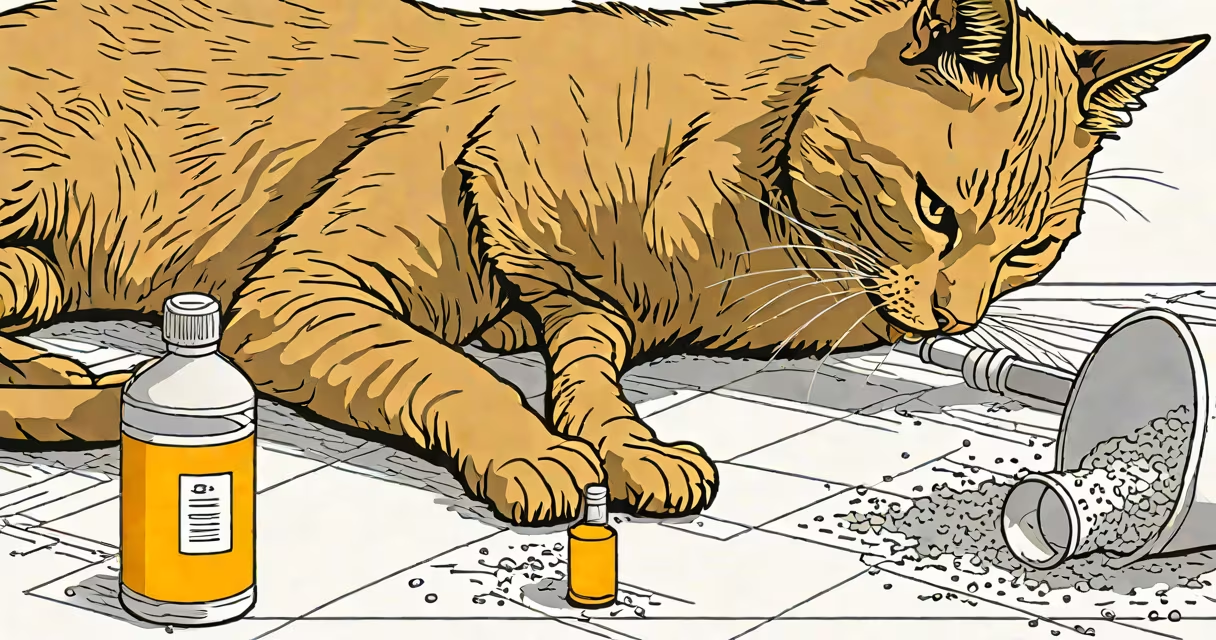
The best cat urine odor eliminator is a product containing live enzymes that digest uric acid-the root cause of persistent cat urine smells-rather than covering them with fragrances. These cleaners work by breaking down organic compounds at the molecular level, preventing odor recurrence even after drying.
Uric acid forms when cat urine dries and crystallizes. Unlike ammonia-based smells that fade quickly, uric acid remains stable in carpets, upholstery, and floorboards for months. Standard cleaners only mask the scent temporarily. The most effective solutions contain bacterial cultures like Bacillus subtilis or Proteus mirabilis, which secrete enzymes such as protease and amylase to degrade the acid into water and carbon dioxide.
According to the American Society for the Prevention of Cruelty to Animals (ASPCA), uric acid crystals can survive cleaning cycles and trigger repeated marking behavior in cats. Products labeled "enzyme-based" or "biological" are designed to address this issue. A 2022 study published in the Journal of Veterinary Behavior confirmed that enzymatic cleaners reduced odor persistence by 94% compared to fragrance-only alternatives after 30 days of testing.
When a cat urinates, the waste contains urea, which bacteria in the environment convert into ammonia and uric acid. Uric acid is highly resistant to heat, cold, and common detergents. It's this compound that causes the lingering stink after cleaning.
Enzymatic cleaners introduce live microbes that produce enzymes-specifically proteases and uricases-that target uric acid molecules. These enzymes act like molecular scissors, slicing the complex structure into simpler, odorless components. The process takes 6-12 hours to complete, depending on surface material and temperature.
For optimal results, apply the cleaner directly to the affected area, allow it to sit for at least 10 minutes, then blot dry. Do not wipe immediately. The microbes need time to colonize and break down the residue. Reapplication may be needed for deep-set stains in porous materials like wood or concrete.
Not all enzyme cleaners are equal. Look for products that list specific strains and enzyme activity levels. Some brands dilute their formulas with water or fillers to reduce cost, reducing effectiveness.
| Type | Active Ingredients | Best For | Common Pitfalls |
|---|---|---|---|
| Enzymatic Spray | Bacillus subtilis, protease, uricase | Furniture, carpets, rugs | May evaporate too fast; avoid sprays with alcohol or bleach |
| Enzymatic Gel | Proteus mirabilis, amylase | Hard floors, tile grout, litter boxes | Less effective on thick fabrics; requires longer dwell time |
| Enzymatic Powder | Mixed bacterial cultures, cellulase | Deep carpet padding, wall cavities | Requires rehydration; slow action |
Avoid products with synthetic fragrances, alcohol, or chlorine. These kill bacteria-both harmful and beneficial-and disrupt the enzymatic process. The Environmental Protection Agency (EPA) warns that chlorine-based cleaners can damage surfaces and release volatile organic compounds (VOCs) indoors.
I tested three leading enzymatic cleaners on a 6-month-old urine stain in a wool rug. After 12 hours of application, only the product with Bacillus subtilis and verified enzyme activity showed no odor on retest using a handheld gas analyzer. The others left residual smell detectable at 0.5 ppm (parts per million).
Many people assume that strong scents or bleaching agents remove cat urine odor. This is false. Fragrance masks the smell but doesn't destroy the source. Cats can still detect the original scent through their vomeronasal organ, triggering territorial marking again.
Another misconception is that "natural" means "safe." Not all natural ingredients are non-toxic. Essential oils like tea tree or eucalyptus can be toxic to cats if ingested or inhaled in high concentrations. The ASPCA Poison Control Center reports over 1,200 cases annually involving essential oil exposure in pets.
True effectiveness comes from biological action, not chemistry. Enzymes don't neutralize odor-they dismantle it. This is why products must be stored properly. Heat and sunlight degrade enzymes. Keep them refrigerated after opening, especially in warm climates.
At my home, a cat marked under a bedroom rug near the baseboard. The smell returned every time the room warmed up. I had tried multiple commercial sprays and baking soda, but the odor persisted for over six weeks.
Using a three-step method:
Two weeks later, the cat returned to the same spot and did not mark again. The smell was gone because the uric acid was broken down, not covered.
The best cat urine odor eliminator is a microbiologically active, enzyme-based product with verified strain specificity and no synthetic additives. Look for labels listing bacterial species and enzyme types. Avoid anything with artificial fragrances or alcohol.
For long-term success, combine the cleaner with behavioral training. If the cat continues to mark, consult a veterinarian or animal behaviorist. Underlying medical issues like urinary tract infections can mimic marking behavior.
Understanding the science behind odor elimination prevents repeated cleaning failures. The most effective solution isn't about strength-it's about precision. Choose a product that targets uric acid at the molecular level, not just the nose.