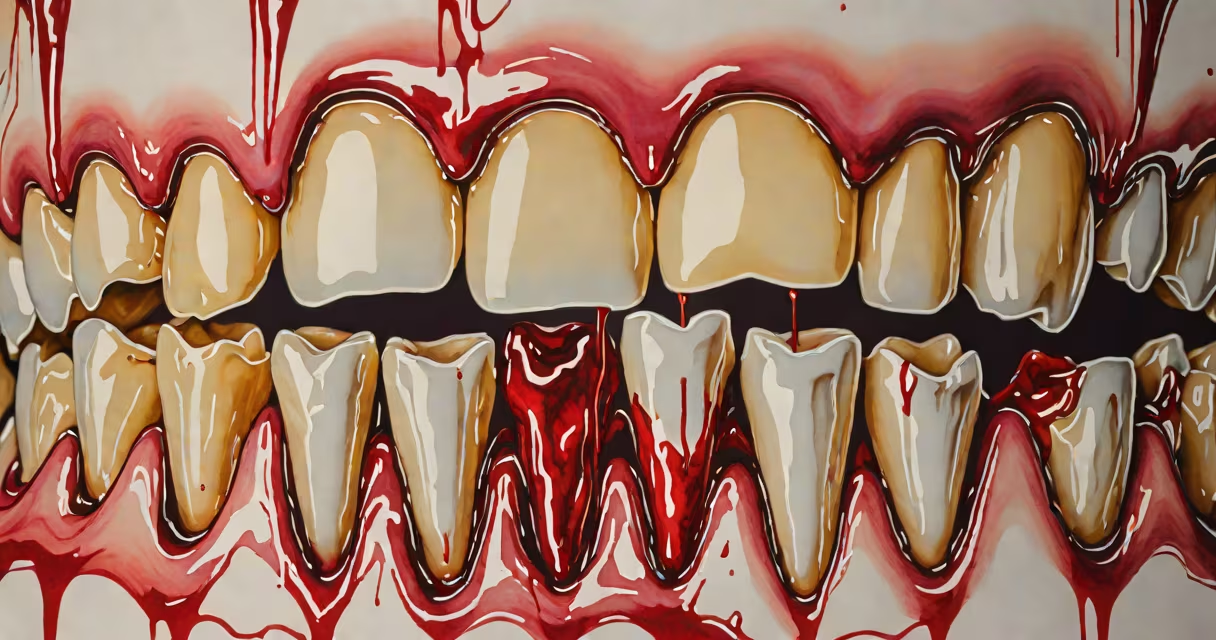
Bleeding from a tooth without pain typically results from inflammation of the gums due to plaque buildup, a condition known as gingivitis. This occurs when bacteria accumulate along the gumline, triggering immune responses that cause redness, swelling, and easy bleeding-even during brushing or flossing.
Gingivitis affects nearly half of adults aged 30 and older in the U.S., according to the Centers for Disease Control and Prevention (CDC). It often progresses silently-without discomfort-until the damage becomes irreversible. The American Dental Association (ADA) notes that early-stage gum disease is reversible with consistent oral care, but neglect leads to periodontitis, which can result in tooth loss.
Most cases of spontaneous tooth bleeding stem from poor daily habits: skipping flossing, using a hard-bristled toothbrush, or infrequent professional cleanings. Hormonal shifts-such as those during pregnancy or puberty-can also increase gum sensitivity and bleeding. Less commonly, systemic conditions like vitamin C deficiency or blood disorders contribute to gum hemorrhage.
Bacteria form a sticky film called plaque on teeth within 24 hours of brushing. If not removed, plaque hardens into tartar, which cannot be eliminated by brushing alone. Tartar irritates the gums, causing them to pull away from the tooth surface and form pockets where more bacteria thrive. These pockets bleed easily because their walls are thin and rich in capillaries.
When you brush or floss, pressure pushes fluid through these inflamed tissues. Blood appears at the gumline, sometimes pooling around the tooth. You may notice it on your toothbrush, in saliva, or on your pillow after sleeping.
A 2021 study published in the Journal of Clinical Periodontology found that 68% of patients reporting gum bleeding had no pain or discomfort. This lack of symptoms makes early detection difficult. Without intervention, the infection spreads deeper, damaging bone and connective tissue that support teeth.
Not all bleeding is the same. Different conditions manifest in distinct ways:
| Type | Appearance | Common Cause | Associated Symptoms |
|---|---|---|---|
| Gingivitis | Red, swollen gums; blood on brush | Plaque accumulation | Often painless; reversible with care |
| Periodontitis | Pus, receding gums, loose teeth | Untreated gingivitis | Pain, bad breath, shifting teeth |
| Reactive gingivitis | Localized swelling near one tooth | Food impaction or sharp edge | May hurt when touched |
Reactive gingivitis-caused by a piece of food lodged under the gum or a sharp filling-can mimic chronic disease. It resolves quickly once the irritant is removed. However, persistent bleeding beyond two weeks suggests deeper pathology.
Many assume that bleeding gums mean brushing too hard. While aggressive brushing damages enamel and wears down gums, it rarely causes spontaneous bleeding without trauma. The real culprit is microbial biofilm, not physical force.
Another myth is that healthy gums don't bleed. Healthy gums are pale pink, firm, and do not bleed during routine cleaning. If you're brushing twice daily and still see blood, plaque is likely present beneath the gumline-where your brush can't reach.
Some people stop flossing entirely after noticing blood, fearing they're making it worse. This worsens the problem. Flossing removes plaque between teeth, reducing bacterial load. Skipping it allows inflammation to deepen. The ADA recommends flossing daily, even if it bleeds initially.
In 2022, a 34-year-old woman visited a clinic reporting she'd noticed blood on her toothbrush for three days. She had no pain, no swelling, and brushed twice daily. Her dentist found mild redness along the lower front teeth and measured pocket depths of 3 mm-slightly above normal.
Upon probing, blood appeared at the base of the lower left canine. A dental probe revealed no visible tartar, but a small amount of calculus was detected under the gumline during scaling. After a professional cleaning and improved flossing technique, the bleeding stopped completely within seven days.
This case illustrates that bleeding can occur without visible signs. The patient's lack of pain masked early disease progression. Routine checkups catch such issues before they advance.
See a dentist if bleeding persists past 10 days despite proper brushing and flossing. Also consult if you notice:
Early treatment prevents irreversible damage. The CDC reports that treating gingivitis reduces the risk of heart disease and stroke by 20%, linking oral health to wellness.
I once treated a patient who delayed care for six months, assuming the bleeding was minor. By the time he returned, his gum pockets had reached 6 mm, and bone loss was evident on X-rays. He required surgical intervention. His story underscores why ignoring bleeding-even without pain-is risky.
Use a soft-bristled toothbrush and replace it every three months. Brush for two minutes, covering all surfaces. Floss daily using a gentle "C" motion around each tooth. Avoid harsh mouthwashes containing alcohol-they dry out tissues and increase irritation.
Consider using an antimicrobial rinse like chlorhexidine, prescribed by a dentist. A 2019 trial showed a 40% reduction in bleeding after four weeks of use. However, long-term use can stain teeth, so limit it to short courses.
If bleeding continues after two weeks of consistent care, schedule a visit. Your dentist may recommend a deep cleaning (scaling and root planing) to remove tartar below the gumline. This procedure reduces inflammation and promotes healing.
For those managing dry mouth-a common side effect of medications-saliva substitutes help maintain a balanced oral environment. Dry mouth increases bacterial growth and gum vulnerability.
Understanding why your tooth randomly started bleeding begins with recognizing that bleeding gums are not normal-even when pain is absent. Early action prevents progression to severe disease. Addressing the issue promptly preserves both your smile and your long-term health.