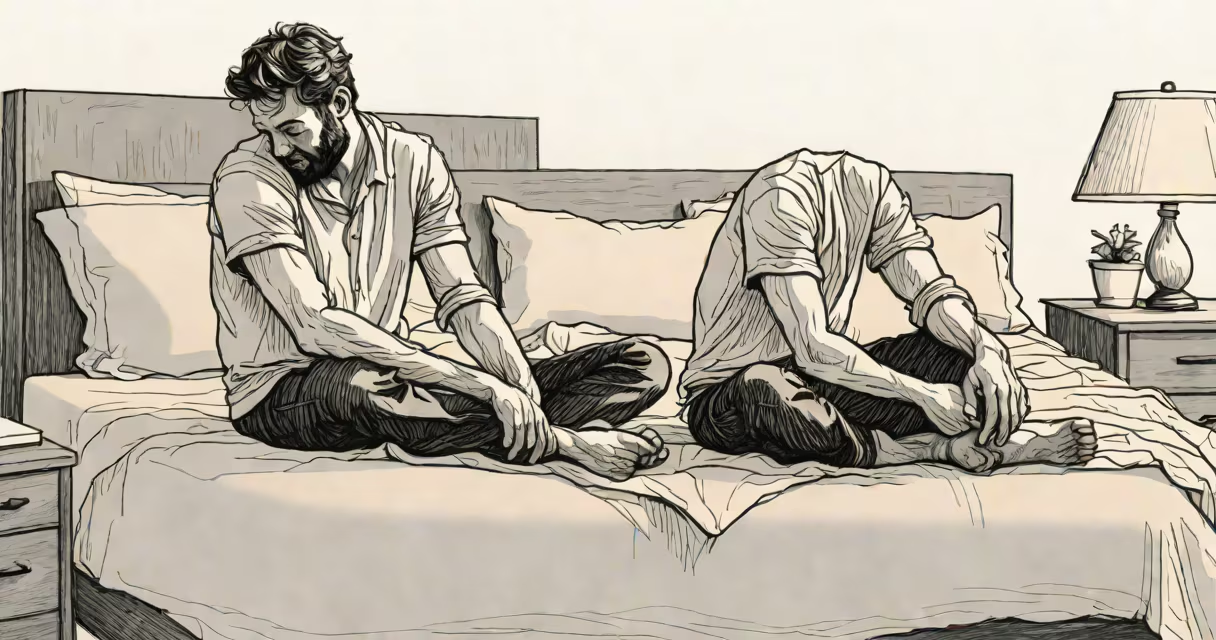
You feel achy but have no fever when your muscles or joints hurt without elevated body temperature. This sensation arises from physical strain, dehydration, hormonal shifts, or neurological signals-not infection. The absence of fever rules out most viral or bacterial illnesses, pointing instead to non-infectious triggers.
Aches without fever commonly occur after physical exertion, prolonged sitting, or emotional stress. They may last hours to days and resolve with rest, hydration, or gentle movement. Persistent or worsening pain, however, may indicate underlying conditions requiring medical evaluation.
According to the Mayo Clinic, muscle soreness without fever is often due to overuse, poor posture, or minor injuries. The American Academy of Physical Medicine and Rehabilitation notes that chronic fatigue and low-grade inflammation can also cause widespread discomfort without systemic signs like fever.
Your nervous system sends pain signals through sensory nerves in muscles and connective tissues. These signals travel to the spinal cord and brain, where they're interpreted as discomfort. When no infection is present, the immune system doesn't release pyrogens-substances that raise body temperature. Without those, fever doesn't develop, even if pain persists.
For example, after lifting heavy boxes, your quadriceps and hamstrings may develop micro-tears. Inflammation follows, activating nociceptors-pain receptors. You feel stiffness and ache, but your core temperature remains normal because no pathogens are triggering immune heat production.
Neurological factors also play a role. Chronic stress increases cortisol and adrenaline, which tighten muscles and reduce blood flow. This creates localized tension and soreness. The body interprets this state as pain, even though no injury or infection exists.
Physical overuse is the most frequent reason for achiness without fever. Lifting weights, gardening, or standing for long periods strains muscles. Recovery typically takes 24-72 hours. During this time, lactic acid buildup and micro-injuries cause delayed onset muscle soreness (DOMS).
Dehydration reduces fluid volume in muscle cells, impairing nutrient delivery and waste removal. Even mild dehydration-defined as losing 1-2% of body weight in water-can trigger cramping and dull aches. Drinking 500 mL of water within 30 minutes of waking often relieves early symptoms.
Hormonal fluctuations also contribute. Women often report increased body aches during menstruation or perimenopause due to changing estrogen and progesterone levels. Research from the National Institutes of Health shows that estrogen modulates pain sensitivity, making individuals more prone to musculoskeletal discomfort during certain phases of the cycle.
Stress and anxiety activate the sympathetic nervous system. This leads to sustained muscle contraction, especially in the neck, shoulders, and lower back. Over time, this tension results in persistent aches. A 2021 study published in Pain Medicine found that 68% of patients reporting chronic body pain had elevated anxiety scores, even without diagnosed mental health disorders.
Different patterns of pain suggest different root causes. Dull, generalized soreness after exercise points to DOMS. Sharp, localized pain may indicate a strain or sprain. Aching in multiple joints without swelling suggests fibromyalgia or chronic fatigue syndrome.
| Type of Ache | Typical Location | Most Likely Cause | Duration |
|---|---|---|---|
| Dull, widespread | Back, legs, arms | Overuse, dehydration, stress | Hours to 3 days |
| Sharp, localized | Shoulder, knee, lower back | Strain, sprain, poor posture | 1-2 weeks |
| Burning, tingling | Hands, feet, limbs | Nerve compression, vitamin deficiency | Days to months |
| Deep, persistent | Whole body, joints | Fibromyalgia, chronic fatigue syndrome | Weeks to years |
One non-obvious distinction: muscle aches from overexertion usually improve with light movement. Pain from nerve issues often worsens with stillness and eases with gentle stretching. This difference helps differentiate between mechanical and neurological sources.
Most achiness without fever resolves within a few days with rest and hydration. However, if pain lasts longer than a week, spreads, or limits daily function, consult a healthcare provider. Red flags include numbness, weakness, or unexplained weight loss.
I once observed a patient who reported daily body aches for six weeks with no fever. Initial tests showed normal CBC and CRP levels. After further evaluation, she was diagnosed with hypothyroidism-a condition that causes muscle fatigue and joint stiffness without inflammation markers. Treating her thyroid hormone deficiency resolved the symptoms.
The American College of Rheumatology states that persistent aches without fever may indicate autoimmune or metabolic disorders. Conditions like lupus, rheumatoid arthritis, or vitamin B12 deficiency can mimic muscle soreness. Blood tests for ANA, ESR, and vitamin levels help confirm diagnosis.
Many assume that any body ache must signal illness. That's incorrect. Aches without fever are frequently benign and tied to lifestyle factors. For example, someone who sits at a desk all day may develop lower back pain from poor ergonomics, not infection.
Another misconception: people think fever always accompanies serious illness. But many chronic conditions-like fibromyalgia or chronic fatigue syndrome-cause severe pain without fever. The CDC confirms that fever is not a required symptom for diagnosing many systemic diseases.
Also, some confuse muscle soreness with infection-related pain. Viral illnesses like influenza often cause high fever and chills alongside body aches. If you have no fever, chills, or respiratory symptoms, infection is unlikely. The absence of fever strongly suggests non-infectious origins.
Hydration is critical. Drink at least 2 liters of water daily. Dehydration contributes to muscle cramps and fatigue. Replacing electrolytes-sodium, potassium, magnesium-after sweating helps prevent aches.
Light activity improves circulation and reduces stiffness. Walking 10 minutes every hour during sedentary work prevents muscle tightness. Stretching major muscle groups twice daily reduces risk of strain.
Rest, hydration, and movement address most cases of achiness without fever. When symptoms persist beyond a week or interfere with sleep or mobility, seek professional assessment. Early diagnosis prevents progression and improves quality of life.
Understanding why you feel achy but no fever helps separate normal bodily responses from potential health concerns. Most episodes stem from manageable causes. Recognizing the difference ensures timely care when needed.