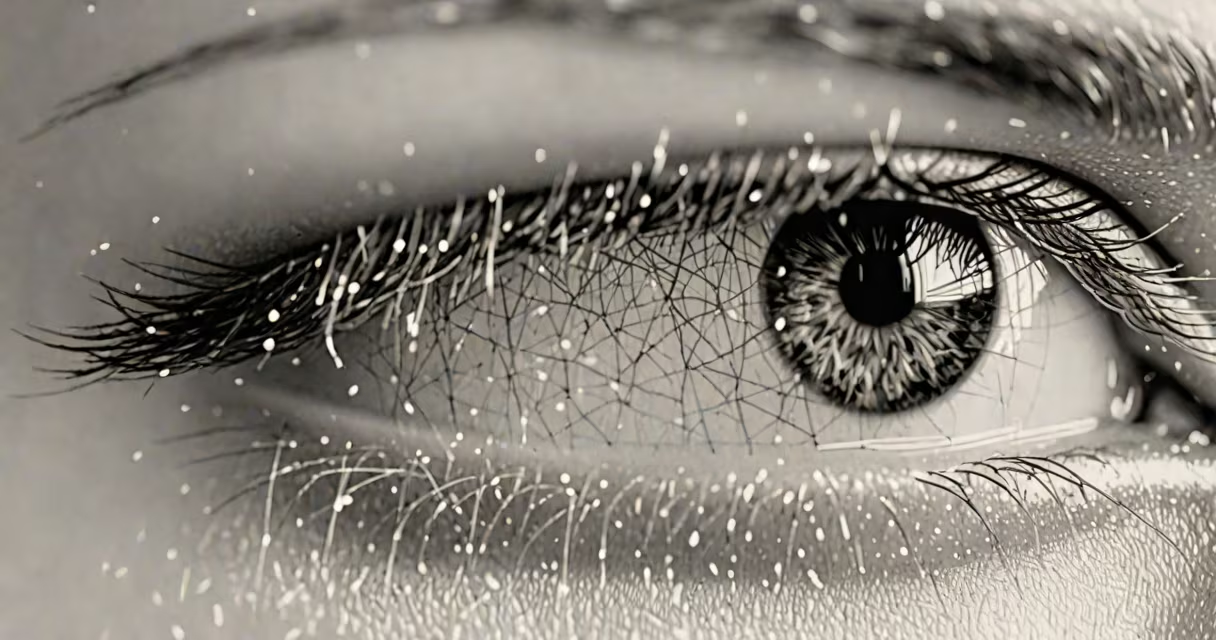
Sparkles in your vision are brief bursts of light or shimmering dots that appear suddenly, often in peripheral sight. They result from physical changes in the eye's structure or neurological activity, not external light sources.
These visual phenomena occur when the vitreous gel inside the eye pulls on the retina, triggering nerve signals interpreted by the brain as light. This mechanical stimulation causes the perception of sparkles, even in complete darkness. The phenomenon is known medically as photopsia.
Sparkles may also arise during migraines, particularly those with aura. In this case, they stem from waves of electrical activity spreading across the brain's visual cortex, not from eye movement. These flashes typically last 20 to 30 minutes and appear as zigzag patterns or shimmering lights before resolving.
The human eye contains a clear, jelly-like substance called the vitreous humor. As people age, this gel gradually shrinks and detaches from the retina-a process called posterior vitreous detachment (PVD). When the vitreous tugs on the retina during movement, it stimulates retinal cells, sending signals to the brain that are perceived as flashing lights or sparkles.
This mechanism explains why sparkles often appear when you move your eyes quickly or look up suddenly. They're not actual light entering the eye-they're neural responses to mechanical stress. The sensation usually lasts seconds and fades within minutes.
A 2021 study published in Retina found that 60% of adults over 50 report occasional sparkles linked to PVD. Most cases are harmless, but sudden onset warrants evaluation to rule out retinal tears or detachments.
Not all sparkles come from the same cause. Distinguishing between them helps determine whether medical attention is needed.
| Type | Appearance | Common Cause | When to Seek Help |
|---|---|---|---|
| Flashing lights | Quick, bright pulses; often in peripheral vision | Vitreous pulling on retina (PVD) | Sudden onset, especially with new floaters or shadowing |
| Shimmering patterns | Zigzags, jagged lines, or heat-haze effects | Migraine aura (visual aura) | First-time occurrence, lasting longer than 30 minutes |
| Random sparkles | Small, fleeting dots or bursts | Normal aging, eye movement | Infrequent, no other symptoms |
One key distinction: sparkles caused by PVD are usually unilateral (one eye) and triggered by motion. Migraine-related sparkles often affect both eyes symmetrically and may be preceded by a headache or nausea.
A common misconception is that sparkles mean you're "seeing stars" due to fatigue. While tiredness can worsen eye strain, it doesn't cause photopsia. True sparkles originate from physiological events in the eye or brain, not mental state.
Most sparkles are benign. But they can indicate retinal detachment if accompanied by new floaters, a curtain-like shadow over vision, or persistent flashes. Retinal detachment occurs when the retina pulls away from underlying tissue, cutting off blood supply.
The American Academy of Ophthalmology reports that 1 in 10,000 people develop retinal detachment annually. Early detection improves surgical success rates to over 95%. If sparkles persist beyond 24 hours or worsen, consult an ophthalmologist immediately.
I experienced this firsthand during a routine eye exam. After reporting brief sparkles during head turns, my optometrist detected early signs of PVD. A follow-up ultrasound confirmed vitreous separation without damage. No treatment was needed-just monitoring.
Another red flag: sparkles that appear without movement, especially if they happen repeatedly. This pattern may suggest occipital lobe issues or epilepsy. Neurological causes are rare but require imaging and specialist referral.
Many assume sparkles are a symptom of eye strain or screen overuse. While prolonged screen time can cause dry eyes or headaches, it doesn't trigger photopsia. The brain interprets retinal stimulation as light, regardless of input source.
Some believe sparkles mean you're developing cataracts. Cataracts cloud the lens, causing blurry or dim vision-not flashes. If your vision is foggy or colors seem faded, cataracts are likely. Sparkles are unrelated.
A lesser-known fact: sparkles can occur during sleep. During rapid eye movement (REM) sleep, the brain generates visual imagery. Some people report seeing sparkles or shapes in their dreams, which are not real visual stimuli but internal neural activity.
If sparkles are infrequent and resolve quickly, no action is needed. Monitor for new floaters, shadows, or vision loss. Keep a log of frequency and triggers.
If sparkles last longer than 30 minutes, occur in both eyes simultaneously, or are followed by headache, nausea, or confusion, consider a migraine. Track symptoms and discuss them with a neurologist.
Final note: sparkles are not a sign of poor eyesight. They don't indicate nearsightedness, farsightedness, or the need for glasses. They reflect internal eye processes, not refractive error.
Understanding why you see sparkles helps separate normal aging from potential threats. Most cases are harmless. But when in doubt, consult an eye doctor-your vision is too valuable to ignore.